White House rolls out video‑game style meme campaign to sell Iran war
The Trump administration has launched a viral, fast-cut video campaign on social media to build public support for military strikes against Iran. By framing the conflict through a video-game lens, the White House is attempting to reach younger audiences while drawing criticism from media analysts.

- Core Development: The Trump administration has launched a viral, fast-cut video campaign on social media to build public support for military strikes against Iran. By framing the conflict through a video-game lens, the White House is attempting to reach younger audiences while drawing criticism from media analysts.
- Beat Context: Categorized under Culture with independent corroboration.
- Reporting Depth: 4 minute analytical read synthesized from verified newsroom sources.
From the first day of the U.S.-led strikes on Iran, the Trump administration has been flooding social‑media feeds with glossy, fast‑cut videos that look less like briefings and more like a first‑person shooter trailer. The shift matters because, unlike previous wars that were “explained” in sober charts, this campaign tries to “sell” the conflict by making it feel like a level in Call of Duty, complete with on‑screen kill scores, booming hip‑hop beats and cameo cuts from blockbuster movies. With each clip racking up tens of millions of views, the White House is betting that a gamified visual language can win public consent for a war that still lacks a clear, articulated goal.
The first video, posted on X on March 3, was captioned “OPERATION EPIC FURY” and paired a dubstep remix of “Macarena” with footage of a B‑1 bomber on a tarmac, a B‑2 Spirit slicing through clouds and an F‑35C launching from a carrier. Reuters later verified that several aircraft shots were drawn from older stock footage, not from the current Iran campaign. A second, 42‑second sizzle reel appeared on March 5, stitching together scenes from “Gladiator,” “Top Gun Maverick,” “Iron Man” and even SpongeBob SquarePants before slamming into real missile strikes. The clip was streamed on TikTok, X and Instagram, its view count climbing above 58 million within days.
Media additions
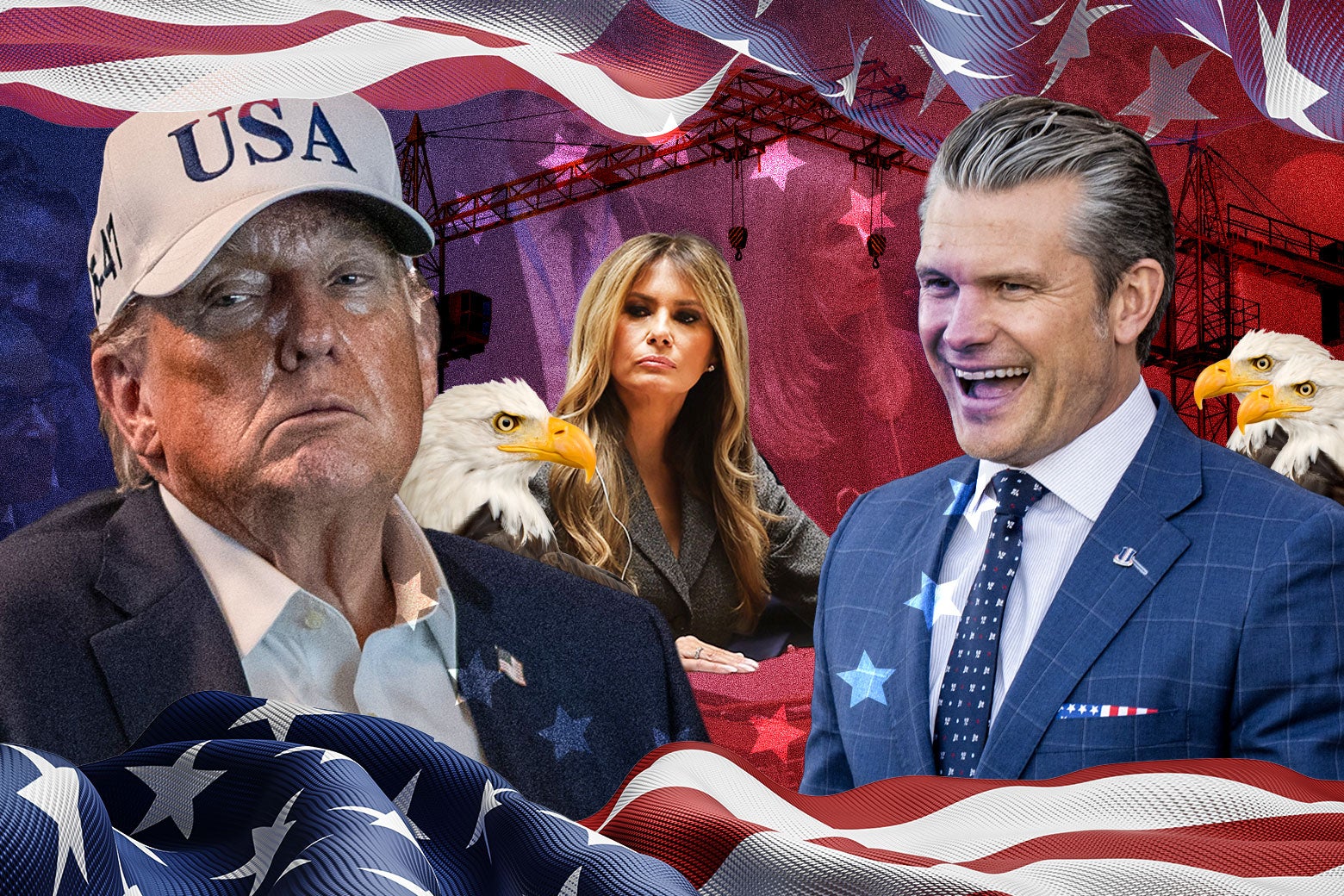
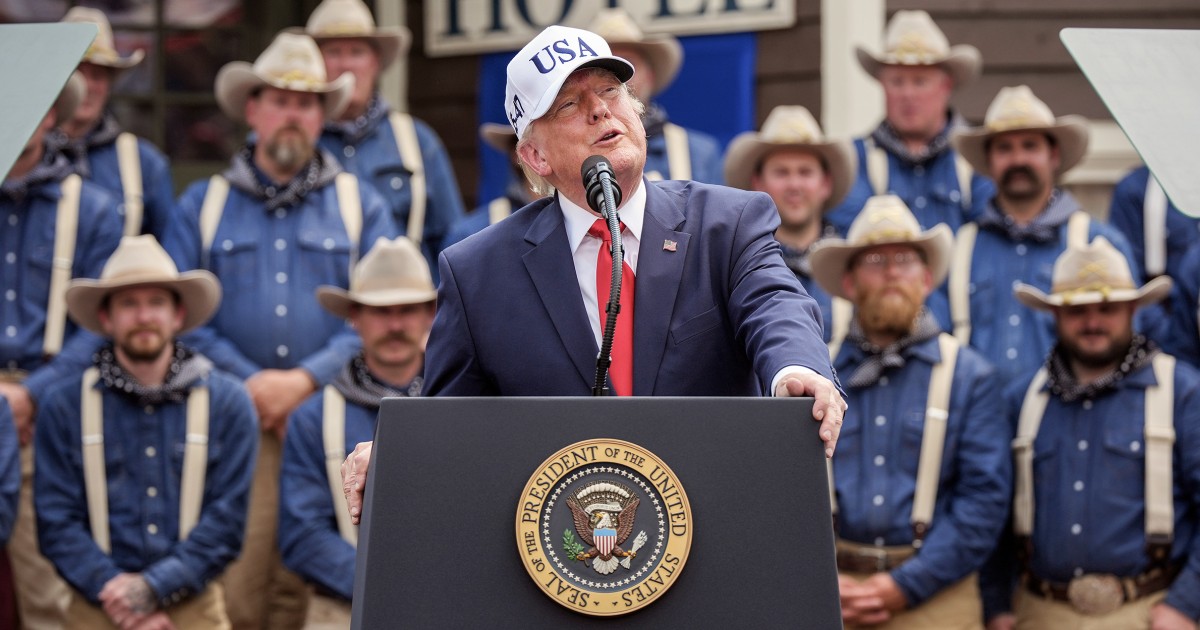
"The White House will continue showcasing the many examples of Iran’s ballistic missiles, production facilities, and dreams of owning a nuclear weapon being destroyed in real time."
Anna Kelly, White House spokeswoman, via Reuters
That official line frames the videos as “real‑time” evidence of military success. Yet the tone is anything but sober. The opening scene of one video mimics the familiar “kill‑score” overlay that flashes a +100 integer over every explosion, a visual cue borrowed straight from video‑game scoring. Childish Gambino’s pulsating “Bonfire” underscores the action, while an unseen narrator booms, “We’re winning this fight.” According to Slate, the effect is to “stimulate the Trump administration’s prime constituency—unsocialized Discord incels, Joker‑fied elder millennials, and bloodthirsty Gen Xers—by speaking the language they understand best.”
Critics from across the media spectrum argue that the campaign blurs the line between propaganda and entertainment. Pbs notes that the videos “sanitize war as it’s being presented through the gun camera,” showing explosions but no civilians, no grieving families, no schoolchildren. Professor Roger Stahl of the University of Georgia describes it as “a sizzle reel of weapon‑strike footage” that “frames the weapon strikes… as fantasy material.”
Even Hollywood has pushed back. Actor Ben Stiller demanded the removal of a Tropic Thunder clip used without permission, declaring, “War is not a movie.” The Ms. Magazine essay situates the meme barrage within a broader cultural narrative that equates masculinity with domination, arguing that the videos “reinforce a destructive, centuries‑old myth: that a man’s strength is proved only by its capacity to crush an enemy.”
Communications veterans see the operation as a radical departure from past presidential war messaging. Kristopher Purcell, who worked in the Bush White House during the 2003 Iraq build‑up, says the target audience is “young men,” a demographic that propelled Trump to victory in 2024. He calls the effort “gamification of conflict,” noting that the Bush team “spent months laying out the case for the invasion,” whereas the Trump team “is sending out these videos after the fact to justify the war.”
Others warn that the approach could backfire with the very base it seeks to rally. Matthew Baum, a professor at Harvard’s Kennedy School, points out that Trump campaigned on “American isolationism,” making it unclear whether a flashy meme strategy will resonate with a base that is “not entirely on board with the war.”
Some officials within the administration defend the tactic as a modern communications necessity. In a statement, the White House asserted that “the legacy media wants us to apologize for highlighting the United States military’s incredible success,” positioning the memes as a counter‑narrative to what it calls media bias. The message aligns with the Pentagon’s claim, relayed by White House spokeswoman Anna Kelly, that the U.S. Military is “meeting or surpassing its goals”
How significant is this development?
Contribute your assessment to the aggregated reader sentiment ledger.
Frequently Asked Questions
Key questions answered in this reportWhat is the key development in: White House rolls out video‑game style meme campaign to sell Iran war?
The Trump administration has launched a viral, fast-cut video campaign on social media to build public support for military strikes against Iran. By framing the conflict through a video-game lens, the White House is attempting to reach younger audiences while drawing criticism from media analysts.
Why is this Culture development significant for the UK?
This report covers critical events in our Culture beat. Independent reporting monitors related UK statements, regulatory shifts, and public responses as further verified details emerge.
How was this reporting corroborated and verified?
Newsarchy UK compiles and cross-references reporting from primary reporting from nbcnews.com and cross-checked wire reports. All coverage adheres to published editorial standards.
When was this report published?
This briefing was published on July 2, 2026 and is permanently cataloged in the Newsarchy UK Culture archives.