Andy Burnham messaged impersonator posing as Trump aide Susie Wiles
British Prime Minister Andy Burnham exchanged messages with an imposter posing as a top Trump aide following a security breach.

- Core Development: British Prime Minister Andy Burnham exchanged messages with an imposter posing as a top Trump aide following a security breach.
- Beat Context: Categorized under Politics with independent corroboration.
- Reporting Depth: 4 minute analytical read synthesized from verified newsroom sources.
According to Politico, Prime Minister Andy Burnham was tricked into corresponding with an individual posing as one of Donald Trump's most senior aides. Burnham believed he was in contact with White House chief of staff Susie Wiles after arriving at No. 10, before growing doubtful that the communication was genuine, as reported by the Manchester Evening News. The Guardian understands that the suspicious activity was quickly reported to the appropriate authorities.
A source familiar with the communication told Politico that a "few messages" were sent following the prime minister's arrival at No. 10, but stressed that the messages were "of no significance." The Express reports that the contents of the exchange remain unknown. The Guardian notes that it is unclear when the messages were sent and what was discussed between Burnham and the impersonator.
Media additions
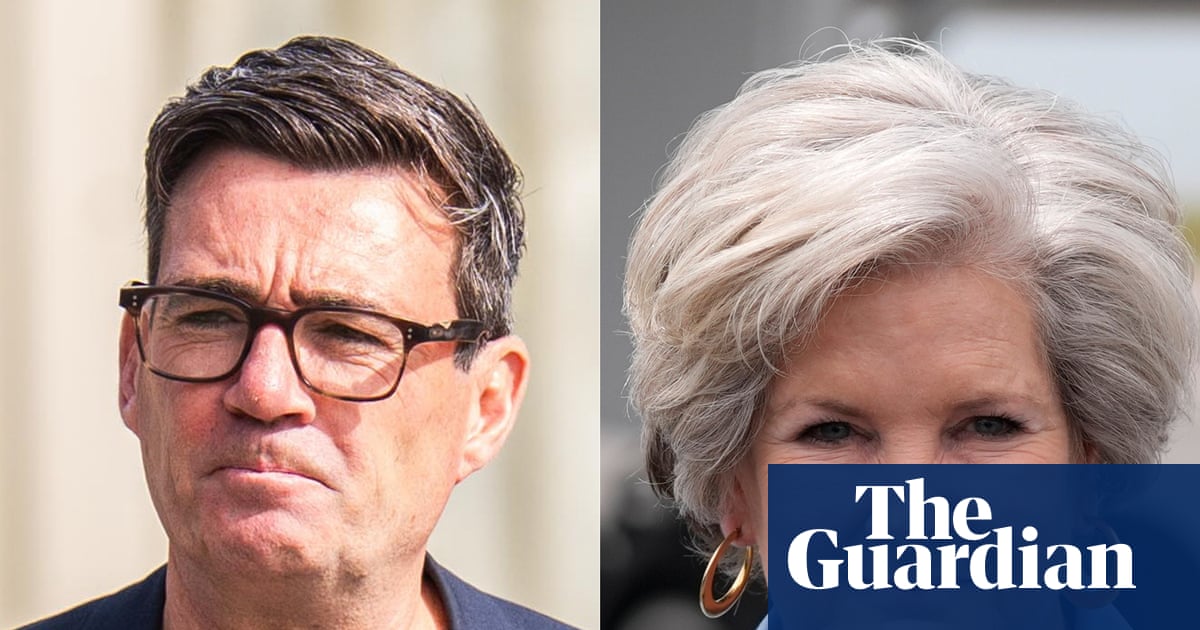
The British Embassy in Washington was so concerned by the potential breach that it raised the matter with the Trump administration, according to Politico. The White House refused to respond publicly, as reported by the Manchester Evening News. Downing Street sought to downplay the communication by maintaining an official line that the UK government "does not comment on national security matters," a phrasing also noted by The Guardian.
Susie Wiles and previous phone security breaches
The incident follows a prior security breach involving Susie Wiles, who managed Donald Trump's presidential campaign before becoming the first woman to serve as White House chief of staff. Wiles is known to have an extensive contact book of influential Republicans, both in Washington and in Florida, where she spent years as a political power broker. The Wall Street Journal reported last year that the FBI launched an investigation into efforts to access Wiles's phone after an unknown person or persons pretending to be her contacted prominent Republicans and business chiefs by using her contacts file to message other top US officials, according to CBS.
Speaking at the time of that investigation, FBI director Kash Patel issued a statement:
"The FBI takes all threats against the President, his staff, and our cybersecurity with the utmost seriousness; safeguarding our administration officials' ability to securely communicate to accomplish the President's mission is a top priority."
Kash Patel, FBI director, via CBS
Following that breach, Wiles reportedly apologized to friends and contacts, urging them to discount any messages. Despite this warning, it is believed that many individuals engaged with the key Trump ally before realizing that the messages were not genuine.
Wider US security lapses and context
The latest apparent breach involving Wiles's contacts raises fresh questions about the security protocols being followed by those closest to the US president, compounded by a series of previous blunders. The Guardian notes that there have been wider security concerns related to Trump's White House, including reports that the president's personal phone number was common knowledge among reporters covering US politics. In March, citing multiple anonymous sources it could not verify, The Atlantic reported that the White House had been told Trump's contact details had been offered for sale to people seeking influence, with sources claiming CEOs offered money and crypto enthusiasts offered cryptocurrency for the number.
In December 2025, a US Department of Defence report concluded that Defence Secretary Pete Hegseth had endangered the lives of US service personnel when he discussed details of a military operation with fellow senior US officials in a group chat to which a journalist had been added. According to a source cited by The Guardian, Hegseth violated departmental policies when he shared secret information in a Signal messaging chat. The chat was disclosed after the then national security adviser, Mike Waltz, added a journalist for The Atlantic having saved his number under someone else's name.
Besides Waltz and Hegseth, the Signal group also included Vice-President JD Vance and CIA director John Ratcliffe. The source stated that the report by the internal investigative inspector general found the information Hegseth distributed was secret and could have put US troops in danger if it had been intercepted by an enemy force. Previously, Hegseth was ridiculed for sharing top-secret plans for a military strike in a WhatsApp group, discussions uncovered only after a journalist was accidentally added to the group and became privy to confidential information hours before a US military strike, as reported by the Manchester Evening News.
How significant is this development?
Contribute your assessment to the aggregated reader sentiment ledger.
Frequently Asked Questions
Key questions answered in this reportWhat is the key development in: Andy Burnham messaged impersonator posing as Trump aide Susie Wiles?
British Prime Minister Andy Burnham exchanged messages with an imposter posing as a top Trump aide following a security breach.
Why is this Politics development significant for the UK?
This report covers critical events in our Politics beat. Independent reporting monitors related UK statements, regulatory shifts, and public responses as further verified details emerge.
How was this reporting corroborated and verified?
Newsarchy UK compiles and cross-references reporting from primary reporting from theguardian.com and cross-checked wire reports. All coverage adheres to published editorial standards.
When was this report published?
This briefing was published on August 17, 2026 and is permanently cataloged in the Newsarchy UK Politics archives.


