Keir Starmer issues state apology for historical forced adoption scandal
Prime Minister Keir Starmer has officially apologized for the state-facilitated forced adoption of babies between 1949 and 1976. This marks a shift in accountability for systemic failures within public, religious, and health institutions.

- Core Development: Prime Minister Keir Starmer has officially apologized for the state-facilitated forced adoption of babies between 1949 and 1976. This marks a shift in accountability for systemic failures within public, religious, and health institutions.
- Beat Context: Categorized under News with independent corroboration.
- Reporting Depth: 3 minute analytical read synthesized from verified newsroom sources.
Prime Minister Keir Starmer has issued a formal state apology for the historical forced adoption scandal, addressing the systemic coercion of unmarried mothers who had their children taken from them in the decades following the Second World War. Speaking to the House of Commons on Thursday, 2 July 2026, the Prime Minister acknowledged the state's responsibility for the profound injustice, declaring that the practices were a stain on our history
.
The apology is a notable shift in the government’s stance, following years of intense campaigning by survivors, adoptees, and their families. While previous governments had resisted a formal state apology, arguing that the state was not directly liable for these actions, Starmer maintained that the removal of approximately 185,000 babies between 1949 and 1976 was not a series of isolated incidents, but rather a practice embedded within systems across local authorities, across voluntary and faith-based institutions, and in health and social care services
, including parts of the modern-day NHS.
Media additions


"The shame is ours"
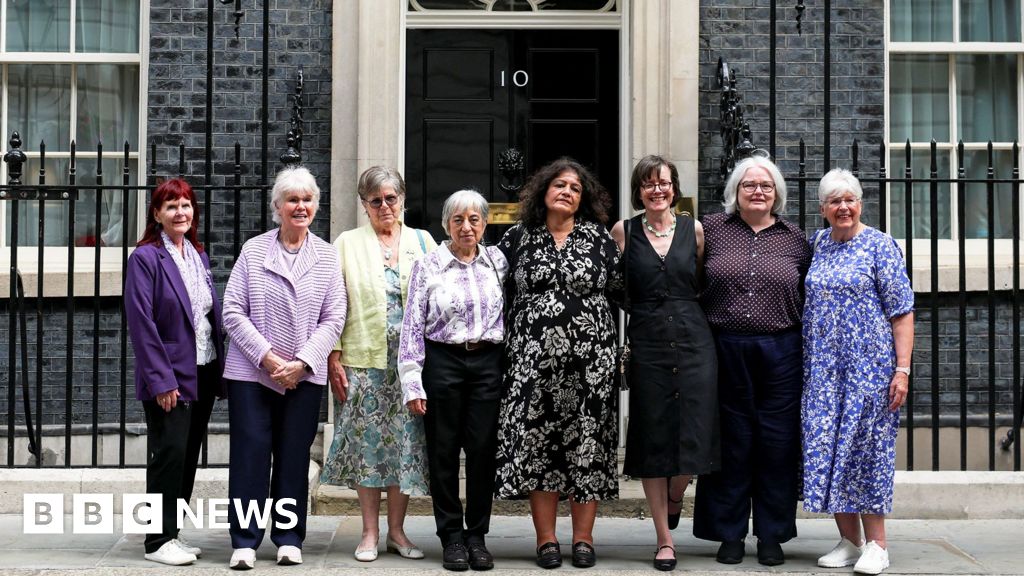
Directly addressing survivors who were watching from the public gallery, the Prime Minister sought to reframe the narrative of shame that had haunted many women for decades. The shame is not yours. The shame was never yours. The shame is ours,
Starmer told the Commons. He described how vulnerable young women were frequently misled, bullied, or coerced into relinquishing their infants, often under the guise that they were unfit or that their children would be better off in other homes.
The apology has been received as a long-overdue acknowledgment of the lifelong trauma
endured by those affected. Ann Keen, a former Labour Member of Parliament and survivor who was sent to a mother and baby home in 1966, expressed her relief at the statement. She had told the media earlier that day that she hoped the apology would finally allow her to be released from my shame
after years of being accused of willingly giving up her child.
Implementation and Support
While the government has stopped short of providing a financial redress scheme, a £4 million package of support over three years has been announced. This package includes easier access to adoption records, help tracing family members, and research into the long-term impact on people’s lives.
Historical Context and Disagreement
The path to this apology has been arduous. The Joint Committee on Human Rights had called for a formal apology as early as 2022, citing the state's role in legitimizing the infrastructure that allowed these removals to flourish. However, the Conservative government at the time declined, asserting that the state did not actively support the practices, choosing instead to offer an apology on behalf of society
in 2023.
The current government’s shift acknowledges that these were not merely failures of social pressure, but state-funded systemic failures. Dr. Michael Lambert, a social historian of the welfare state at Lancaster University, noted that the apology validates the reality that the removal of children was a result of deliberate actions taken by public institutions in partnership with religious organizations.
The announcement follows an apology issued by the Church of England two weeks prior, where the Archbishop of Canterbury, Sarah Mullally, expressed profound regret for the pain and trauma caused within Christian-run institutions. As survivors and advocates begin to process the government’s formal admission of fault, the focus shifts to whether the promised support structures will be sufficient to address the deep-seated, generational harm caused during these decades.
What to watch next
- Northern Ireland Inquiry: A public inquiry into Mother and Baby Institutions, Magdalene Laundries, and workhouses remains ongoing, with a formal apology from the Northern Ireland Executive expected only after its conclusion.
- Support Rollout: Campaigners from the Adult Adoptee Movement have cautioned that the measure of the state’s sincerity will be defined by the effectiveness of the promised support services in the coming months.
How significant is this development?
Contribute your assessment to the aggregated reader sentiment ledger.
Frequently Asked Questions
Key questions answered in this reportWhat is the key development in: Keir Starmer issues state apology for historical forced adoption scandal?
Prime Minister Keir Starmer has officially apologized for the state-facilitated forced adoption of babies between 1949 and 1976. This marks a shift in accountability for systemic failures within public, religious, and health institutions.
Why is this News development significant for the UK?
This report covers critical events in our News beat. Independent reporting monitors related UK statements, regulatory shifts, and public responses as further verified details emerge.
How was this reporting corroborated and verified?
Newsarchy UK compiles and cross-references reporting from primary reporting from apnews.com and cross-checked wire reports. All coverage adheres to published editorial standards.
When was this report published?
This briefing was published on July 2, 2026 and is permanently cataloged in the Newsarchy UK News archives.