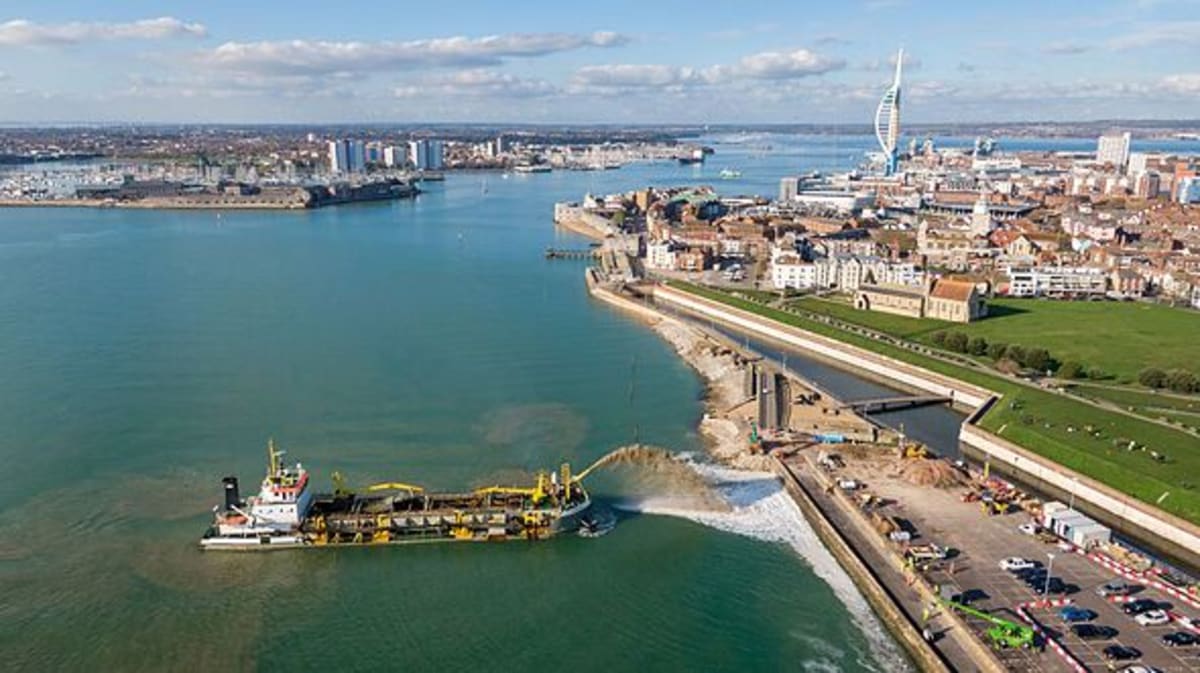
UK contacts former service members and shields jets amid Russian threat
The UK has contacted thousands of military reservists and fortified air force installations as part of a national defense overhaul.
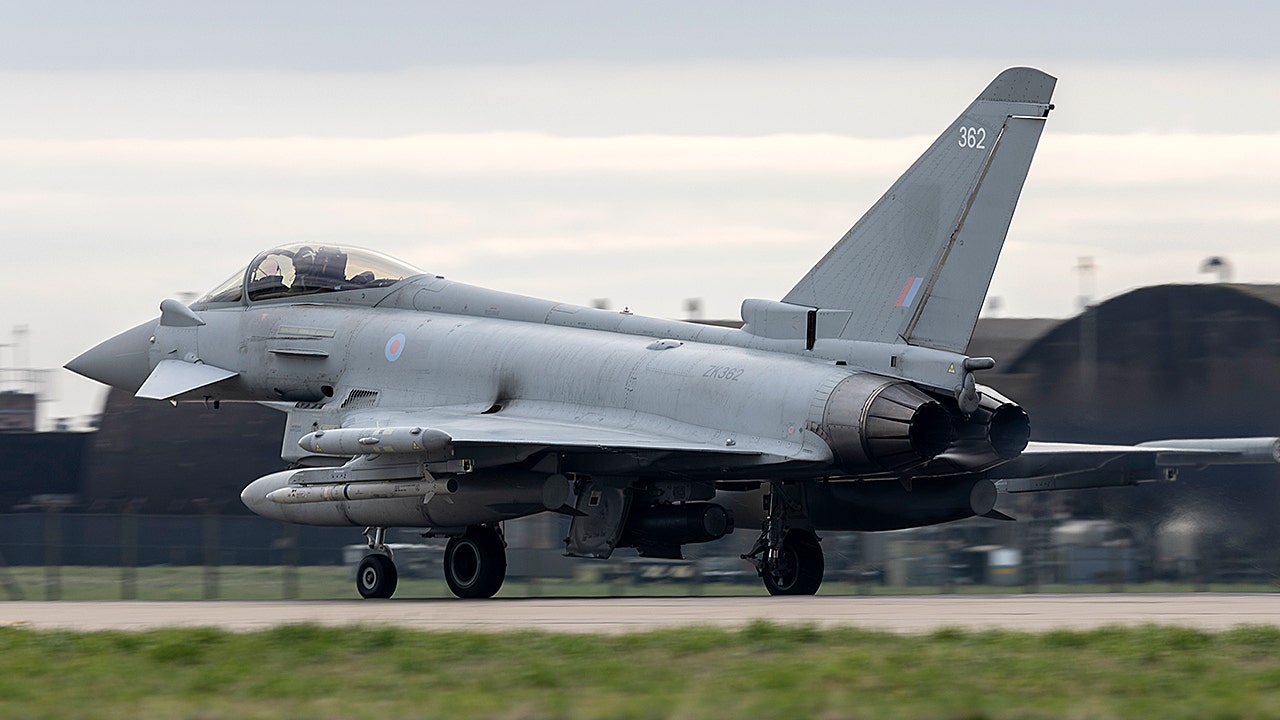
The United Kingdom has contacted nearly 100,000 military reservists and fortified its air force installations against potential drone strikes in a sweeping national defense overhaul, heightening preparedness across British forces.
Secretary of State for Defence Wes Streeting confirmed Friday that communications have gone out to former service members of the Army, Royal Navy, and Royal Air Force. The correspondence, signed by the heads of the Army, Navy, and Royal Air Force, asks recipients to verify their contact details, current employment status, professional qualifications, and specialist skills. Officials explained that maintaining accurate records ensures the nation can draw upon necessary expertise during domestic emergencies or international conflicts, noting that the government had previously lost touch with some former service members.
Media additions
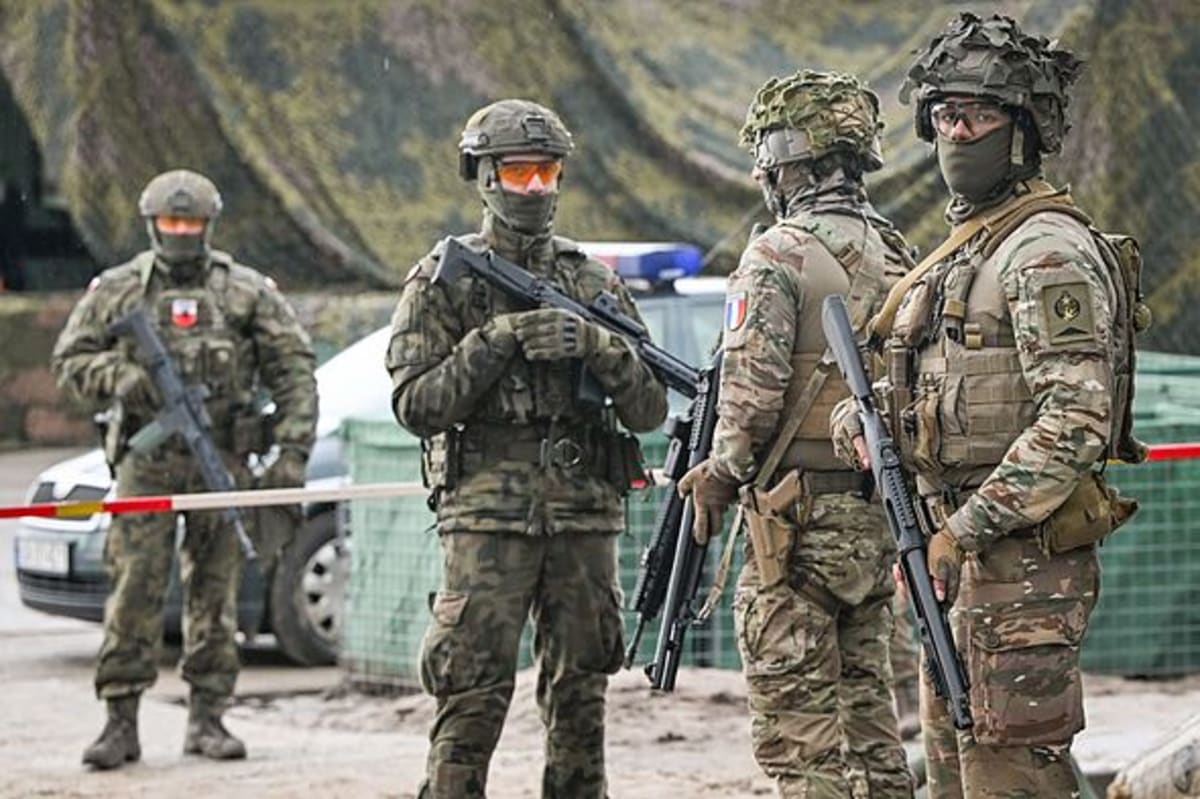


The outreach effort marks the first time since the Cold War that Britain's defense ministry has engaged the nation's Strategic Reserve on such a scale. Defense officials emphasized that the letters are a practical step to bolster deterrence and do not represent a precursor to immediate mobilization. Instead, the campaign aims to prevent difficulties encountered during past operations when information regarding former personnel availability was incomplete.
The International Institute for Strategic Studies warned Thursday that suspected Russian-directed sabotage across the continent had risen 16% in the year through September 2026, creating conditions where a major incident could trigger a mass-casualty event and divide European governments, with Germany and Poland accounting for more than half of the cases. Additional catalysts cited by Streeting include Russian missile incursions into Polish airspace, state-sponsored sabotage incidents, and Iran-linked threats directed at military installations in England.
Justin Crump, a former Army officer and chief executive of intelligence firm Sibylline, noted that modern warfare increasingly relies on civilian expertise, such as drone operations and electronic warfare, following lessons from Ukraine. According to reporting highlighted by WE News English, former personnel have generally responded positively, wishing to ensure their additional capabilities remain useful to the country.
Concurrently, the Royal Air Force has upgraded security at military airfields. Ground crews have moved exposed aircraft into hardened hangars overnight and installed anti-drone netting to protect fighter jets from potential aerial swarms. The Ministry of Defence reported substantial investments in counter-drone technology, including £15 million already invested in drone and counter-drone technology alongside an additional £470 million to strengthen security at military sites for physical protection, surveillance, and counter-drone capabilities. Authorities also introduced restricted airspace over 44 critical defense sites. These heightened measures follow Iranian threats against military bases in England that prompted tighter security and the relocation of U.S. Military aircraft.
Strategic Reservists will have voluntary opportunities in coming months to participate in training programs and military exercises, including NATO's flagship Steadfast Defender drills scheduled for next spring, where up to 1,000 Strategic Reservists could be invited to participate.
| Defense Measure | Details |
|---|---|
| Strategic Reserve Outreach | Letters sent to nearly 100,000 former service members to update contact info, civilian skills, and availability. |
| Base Fortification Investment | Additional funding allocated for physical protection, surveillance, and counter-drone capabilities. |
| Submarine Fleet Upgrade | Multi-billion-pound investment program awarded to upgrade nuclear submarines and create skilled jobs. |
Separately, the government has pursued an £8 billion investment in its submarine fleet to improve availability and operational readiness, awarding a five-year contract to British defense contractor Babcock to upgrade nuclear submarines. This program is expected to create around 3,000 highly skilled jobs—mainly in Plymouth, Clyde, and Bristol—as well as 2,500 apprenticeship and graduate opportunities. Additionally, Britain's domestic intelligence agency, MI5, and the defense ministry warned British companies supplying military equipment to Ukraine that they face an increased risk of Russian sabotage.
Legislative proposals in the Armed Forces Bill 2026-27 include increasing the maximum recall age from 55 to 65, introducing warlike preparations as an additional recall trigger, and standardizing recall liability periods across the Army, Royal Navy, and Royal Air Force, with changes expected to take effect in spring 2027.