Covid inquiry: Testing failures left UK government 'effectively blind' to virus spread
A public inquiry report reveals that early testing failures, contact tracing gaps, and weak border controls left the UK government blind to the spread of Covid-19.
Failures in the UK’s early testing, contact tracing, and border controls left the government effectively blind to the spread of Covid-19, according to a public inquiry report that highlights systemic underpreparedness.
As reported by Lbc and Radio News Hub, the public inquiry found that the virus spread virtually unchecked for three months at the start of the pandemic. Baroness Heather Hallett’s 245-page report focuses heavily on the test, trace, and isolate response. Although scientists had developed an effective test by mid-January 2020, the UK lacked a system of widespread testing, tracing, or isolation for several months, allowing Covid-19 to spread with deadly speed across the country. Lady Hallett stated in her foreword that early containment efforts were doomed to fail because the test, trace, and isolate system could only handle a relatively small number of cases.
Media additions
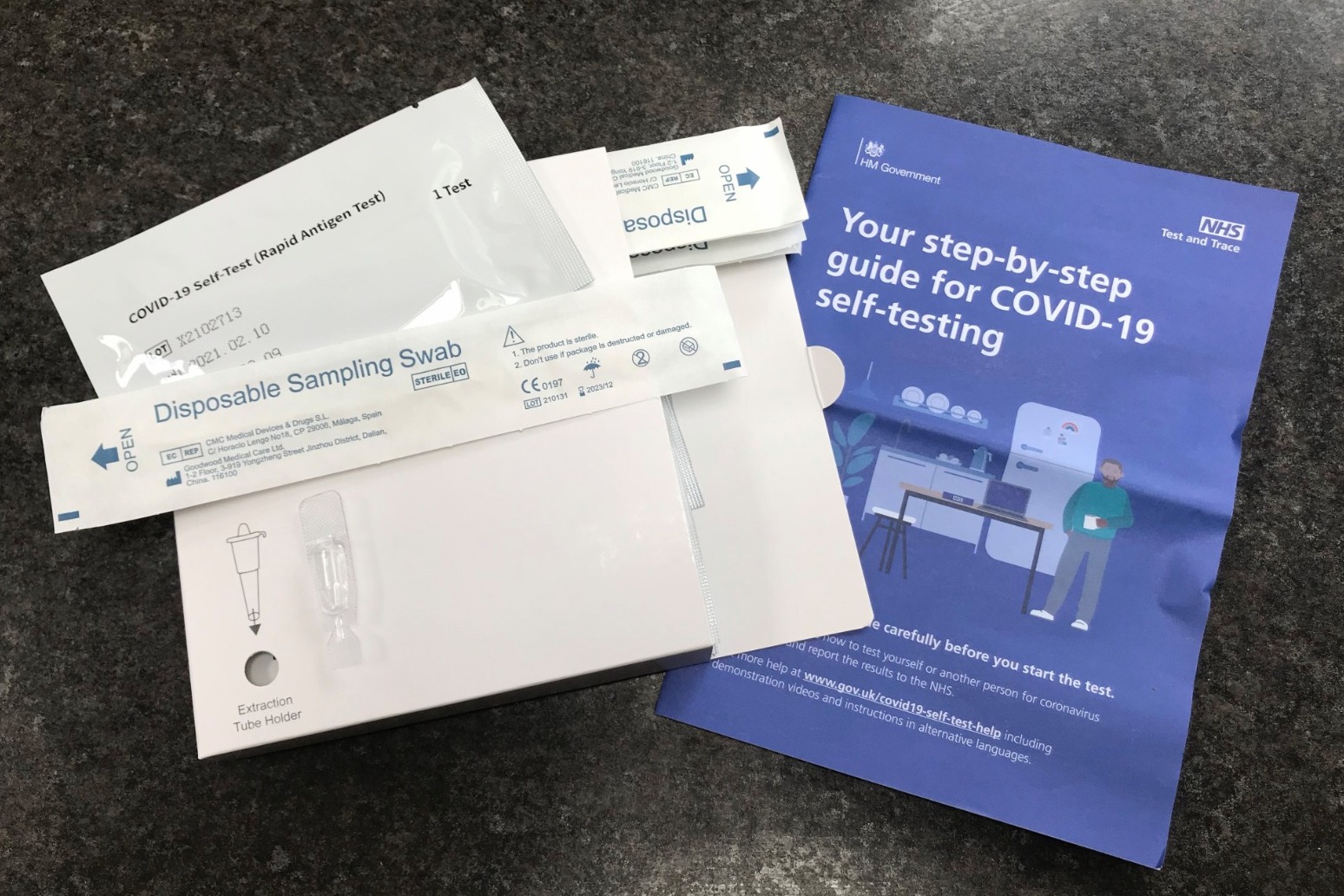
According to the inquiry, the abandonment of community contact tracing and testing in March 2020 stemmed directly from a lack of tests, equipment, and poor processing capacity. As case numbers rose exponentially, testing and tracing capacity was quickly overwhelmed. This inability to carry out widespread testing meant the likelihood increased that more restrictive measures, such as lockdowns, would later be required. The UK entered the pandemic woefully ill-prepared to implement effective, nationwide test, trace, and isolate systems.
Ministers eventually invested considerable time, effort, and resources into developing a scaled-up system that proved extremely effective once established. However, initial efforts were hindered by poor planning, ignorance of existing testing capabilities across the private and public sectors, and a failure to collaborate with local authorities possessing contact tracing expertise.
The inquiry also heavily criticised the government’s border control policy, noting it was out of step with international peers and contributed to domestic virus spread. The decision not to implement widespread border control measures from the outset represented a missed opportunity by the UK government to try to slow the spread of infection by reducing the risk of imported cases. While other nations implemented early border measures, the UK government only requested, rather than directed, travellers from Wuhan, China, to self-isolate in January 2020, and travellers from some other high-risk areas to self-isolate in February 2020. This approach failed to prevent a coachload of tourists from Wuhan entering the UK and travelling from England to Scotland and then to Northern Ireland and the Republic of Ireland in February 2020. UK government statistics show that approximately 6.8 million people arrived in the UK by air in February 2020, followed by 3.8 million people in March 2020. By April 2020, 93% of countries and territories had enacted measures such as flight suspensions, border closures, and travel restrictions.
Lady Hallett argued that a 14-day self-isolation requirement for all incoming travellers or even suspending all flights from China in February 2020 could have provided valuable additional time to prepare healthcare systems for the impact of the pandemic. The report noted that allowing virtually unrestricted international travel during the first six months of 2020 coincided with a time when the UK had no mass testing, widespread contact tracing, and its healthcare resources were stretched thin, leaving the country in an extremely weak position.
By contrast, countries including Singapore, Australia, Germany, South Korea, Hong Kong, and Taiwan prepared better and experienced markedly lower death rates than the UK during the first six months of the pandemic.
The inquiry also examined the economic and social fallout of the contact-tracing app, noting that the 'Pingdemic' had a direct impact on the economy. For one week, roughly 7% of UK adults—about 4.5 million people—were self-isolating, causing significant workplace disruptions as large numbers of people were temporarily unable to work. Many individuals felt forgotten and let down by the lack of practical or financial support when trying to follow isolation rules. According to the report, people faced unenviable choices between losing income by self-isolating or going to work and risking virus spread, leading to low compliance levels. Many people found themselves unable to access the system designed to protect them, and planning for the necessary financial and practical support proved inadequate despite these challenges being foreseeable.


