NHS anaesthetist shortage prevents 1.5 million operations a year
A chronic shortage of anaesthetists is stalling the surgical pipeline across the UK, leaving millions of patients facing treatment delays and deteriorating health.
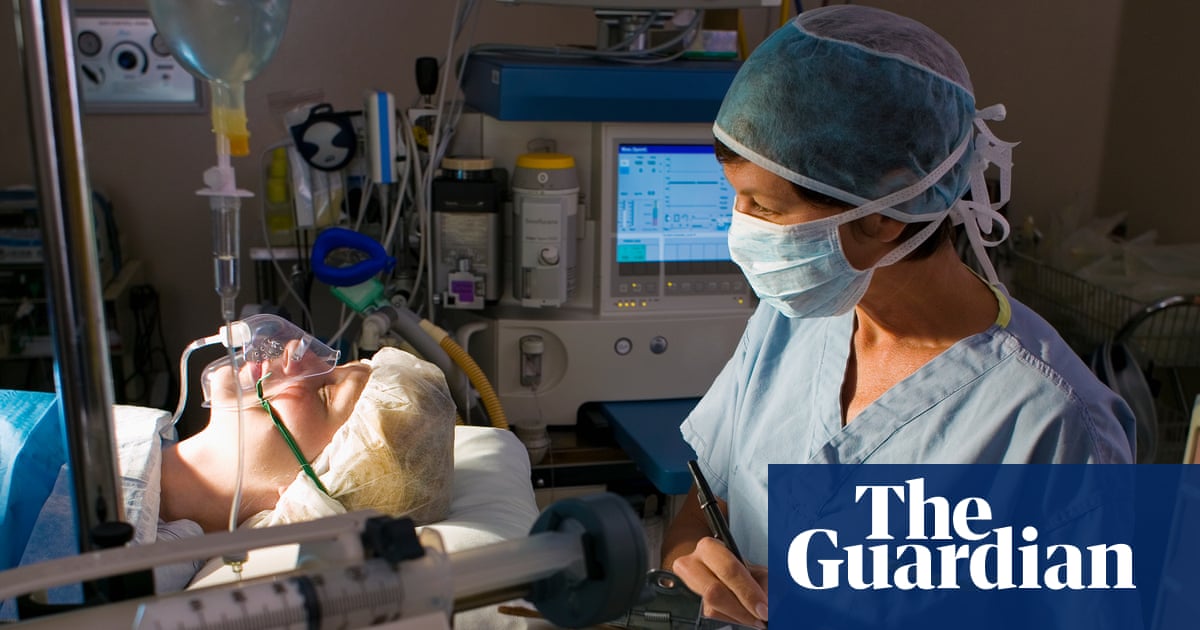
- Core Development: A chronic shortage of anaesthetists is stalling the surgical pipeline across the UK, leaving millions of patients facing treatment delays and deteriorating health.
- Beat Context: Categorized under NHS with independent corroboration.
- Reporting Depth: 3 minute analytical read synthesized from verified newsroom sources.
A chronic shortage of anaesthetists is preventing 1.5 million operations a year across the UK, according to a comprehensive report published by the Royal College of Anaesthetists. Across England, Scotland, Wales, and Northern Ireland, more than 8 million patients are currently awaiting treatment.
The report details a shortfall of 2,256 anaesthetists. This represents a 16% deficit in the workforce required to meet current demand. Because anaesthetists are responsible for far more than induction — providing essential care in intensive care units, maternity wards, and pain management services — their absence stalls the entire surgical pipeline. For most procedures, the absence of an anaesthetist renders a surgeon and operating theatre unusable.
Media additions


Impact on patients and hospitals
The human cost of this staffing gap is documented in the review, which reveals that thousands of procedures are abandoned or delayed daily. Clinical leaders surveyed for the report noted that 88% of hospitals have been forced to postpone surgeries due to anaesthetic staff shortages, with 43% of these leaders experiencing such disruptions on a daily or weekly basis.
The resulting delays are linked to deteriorating patient outcomes. According to the report findings:
- 36% of patients reported a decline in their physical health while waiting for their procedure.
- 31% reported a decline in their mental well-being due to prolonged wait times.
- Delayed care is associated with higher risks of needing more complex surgery, increased reliance on additional healthcare services, and a greater potential for patients to lose their ability to work.
Beyond the clinical impact, the shortage is creating a financial strain on the health service. Hospitals are increasingly diverting funds toward agency locums and the redistribution of existing staff to cover gaps, a practice that the report indicates is unsustainable.
The training bottleneck
The Royal College of Anaesthetists highlights that the crisis is not driven by a lack of interest among medical professionals. Instead, the problem is a lack of funded training capacity. Last year, 6,770 doctors applied for just 539 core anaesthetic training positions.
"Patients are still waiting too long for surgery, and the shortage of anaesthetists is a major factor. Despite modest increases, the gap between the anaesthetists we have and those we need continues to widen."
Dr Claire Shannon, president of the Royal College of Anaesthetists, via The Guardian
The report authors suggest that the NHS possesses the internal capacity to accommodate approximately 380 additional training posts each year if the necessary funding were provided. However, they warn that because it takes years to train an anaesthetist to full competency, any expansion of training places today will not provide immediate relief for the millions currently on waiting lists.
Government response
The Department of Health and Social Care maintains that the health service currently employs a record number of doctors, citing over 14,800 full-time equivalent anaesthetists, an increase of 300 from the previous year. Officials pointed to a recent agreement with resident doctors that includes the creation of 4,500 additional training placements. When pressed on the specific number of these placements that will be allocated to anaesthesia, a government spokesperson stated that the department would determine which specialty areas would receive the extra posts in due course
.
The issue has drawn comment from international experts as well, who note that the problem is not unique to the UK. Dr Martin Mc Cormack noted via LinkedIn that the crisis exposes a universal one
regarding workforce planning, arguing that every decision about training capacity today shapes the care that patients will receive a decade from now
.
What to watch next
The following areas remain critical for observers monitoring the surgical backlog:
- 10-year workforce plan: The government is expected to finalise this strategy, which is widely viewed as the primary mechanism for addressing the specific training gaps identified in the report.
- Allocation of training posts: Medical professionals and patient advocates are waiting for official clarification on how many of the promised 4,500 new training placements will be dedicated to anaesthesia.
- Efficiency measures: Hospitals are testing new methods to use existing staff more effectively, including the integration of technology-assisted monitoring systems and alternative anaesthesia protocols for low-risk surgeries.
For patients, the wait continues. As noted by Jenny Westaway, chair of PatientsVoices@RcoA, the lack of anaesthetists is inflicting genuine pain and hardship
on those who rely on the service for essential procedures.
How significant is this development?
Contribute your assessment to the aggregated reader sentiment ledger.
Frequently Asked Questions
Key questions answered in this reportWhat is the key development in: NHS anaesthetist shortage prevents 1.5 million operations a year?
A chronic shortage of anaesthetists is stalling the surgical pipeline across the UK, leaving millions of patients facing treatment delays and deteriorating health.
Why is this NHS development significant for the UK?
This report covers critical events in our NHS beat. Independent reporting monitors related UK statements, regulatory shifts, and public responses as further verified details emerge.
How was this reporting corroborated and verified?
Newsarchy UK compiles and cross-references reporting from primary reporting from theguardian.com and cross-checked wire reports. All coverage adheres to published editorial standards.
When was this report published?
This briefing was published on July 17, 2026 and is permanently cataloged in the Newsarchy UK NHS archives.