NHS waiting list continues to fall despite record winter
The England NHS waiting list has fallen to 7.25 million treatments, reaching its lowest level since early 2023 despite the busiest winter on record.

- Core Development: The England NHS waiting list has fallen to 7.25 million treatments, reaching its lowest level since early 2023 despite the busiest winter on record.
- Beat Context: Categorized under NHS with independent corroboration.
- Reporting Depth: 5 minute analytical read synthesized from verified newsroom sources.
For the first time since February 2023 the England waiting list has slipped lower – 7.25 million treatments at the end of January 2026, down 43,666 from the previous month. The drop matters because it arrives after the busiest winter on record, suggesting that the emergency‑care reforms and winter‑ready planning introduced in 2023 are finally bearing fruit.
Between November 2025 and February 2026 more than 9.1 million people attended A&E – the highest winter total ever – and ambulance call‑outs hit a fresh peak of 3,223,778. Yet A&E four‑hour discharge rates rose to 73.6%, the best performance since 2021/22, and Category‑2 emergency response times fell to 32 minutes 29 seconds, the quickest in five years.
Media additions


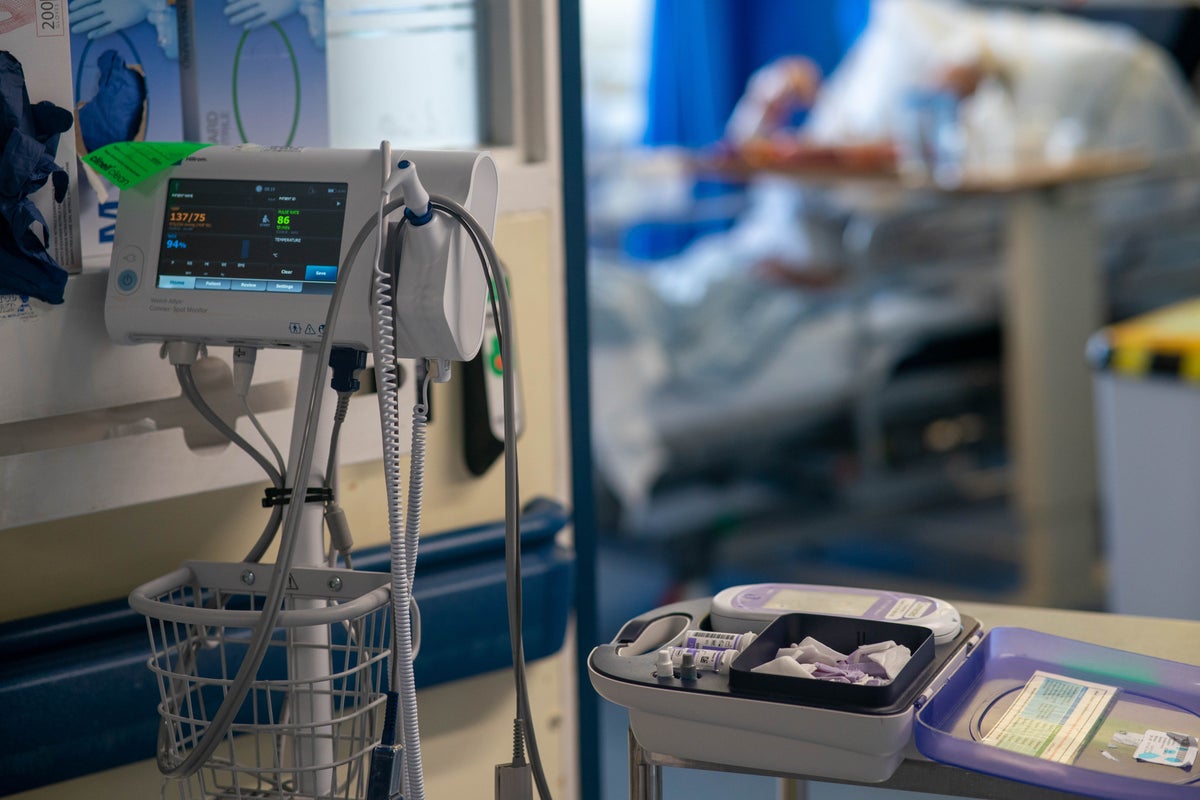
These twin signals of record demand and improving throughput underpin the latest downward swing in the waiting list. While the list has fallen by over 370,000 cases since June 2024, analysts caution that sustaining the trend will be a test of resourcing, data handling and workforce resilience.
What the numbers say
| Period | Waiting list (treatments) | Unique patients | A&E four‑hour rate |
|---|---|---|---|
| September 2023 (record high) | 7.77 million | 6.50 million | – |
| February 2023 (low point before surge) | 7.22 million | – | – |
| January 2026 | 7.25 million | 6.13 million | 73.6 % |
| December 2025 | 7.29 million | 6.17 million | – |
The table highlights that the current figure is the lowest level since early 2023, even as A&E performance metrics have climbed.
Official voices on the turnaround
"The NHS was ready to tackle winter head on this year, which is why despite facing record‑breaking demand, staff have delivered the shortest winter waiting times for four years – while waiting lists have continued to fall."
Professor Meghana Pandit, NHS National Medical Director, via NHS England
"After years of rising waiting times, patients are finally starting to see things move in the right direction – with waiting lists at their lowest level for almost three years and more people getting treated within 18 weeks."
Wes Streeting, Health and Social Care Secretary, via NHS England
Both officials stress that better planning, the “zero‑tolerance” stance on corridor care and the impact of public winter vaccination campaigns have helped to shift the tide.
Think‑tank and expert analysis
The Independent and National Health Executive pieces echo the optimism but warn of fragility. Nuffield Trust deputy director of research Sarah Scobie noted that “sporadic improvements … are not all about the NHS delivering more care” and pointed to “unreported removals” from the list as a factor that needs transparent communication.
"Seeing the waiting list fall substantially for a few months in a row is a relief, but the NHS is still some way off hitting the March goal of 65 % of patients treated within 18 weeks."
Sarah Scobie, Nuffield Trust, via The Independent
Mark Cubbon, NHS programme director for planned care, countered that “internal data … shows the NHS is on track to achieving our targets by the end of March.” His confidence reflects the short‑term surge in elective capacity.
The Health Foundation’s Tim Gardner described the data as “tentative signs of improvement” but urged a systemic approach that tackles “root causes of delays” and bolsters workforce resilience.
"Achieving lasting improvements will require a concerted focus on addressing the root causes of delays, and a system‑wide approach to recovery that prioritises investment, workforce resilience and long‑term planning."
Tim Gardner, Health Foundation, via Yahoo News
Other clinicians paint a mixed picture. Dr Vicky Price, president of the Society for Acute Medicine, warned that “the system is stretched beyond safe limits” and highlighted the “grim milestone” of over half a million patients stuck on trolleys for 12 hours or more in 2025.
"These figures describe a system stretched beyond safe limits and the extent of corridor care now being delivered is the predictable result of years of failure to invest in beds, workforce and social care."
Vicky Price, Society for Acute Medicine, via Yahoo
Sarah Woolnough of The King’s Fund called the fall “promising” but cautioned that “maintaining this momentum when individual NHS organisations are operating under extremely tight spending envelopes” will be the next test.
What’s driving the decline?
- Winter‑ready planning: hospital trusts deployed surge capacity, opened additional urgent‑care centres and accelerated elective pathways.
- Improved ambulance performance: Category‑2 response times fell to 32 minutes 29 seconds – the fastest in five years.
- Data cleaning: “Unreported removals” – patients removed from the list when treatment is no longer required – accounted for part of the monthly drop, according to the Nuffield Trust.
- Public vaccination effort: Higher uptake of winter flu jabs, praised by Professor Pandit, reduced pressure on emergency services.
What to watch next
- March 2026 target: the Government aims for 65 % of patients treated within 18 weeks. The next set of NHS England figures, due in early March, will reveal whether the current trajectory holds.
- Four‑hour A&E target: analysts note that the proportion of patients waiting more than four hours remains near “vanishingly small” improvement, and the 12‑hour trolley milestone is still rising.
- Funding and staffing: debates in Parliament over additional bed capacity and recruitment of nurses and doctors are set to intensify as winter approaches.
- AI and digital tools: Wired Gov reports a major rollout of artificial‑intelligence systems to streamline referrals – the first large‑scale test of technology’s role in curbing waits.
Taken together, the data paint a picture of a health service that can absorb extreme demand while nudging back on longstanding backlogs. Whether the NHS can convert these short‑term wins into a durable reduction in waiting times – and prevent corridor‑care and trolley‑wait nightmares from returning – will hinge on the policy decisions and investment choices made in the months ahead.
How significant is this development?
Contribute your assessment to the aggregated reader sentiment ledger.
Frequently Asked Questions
Key questions answered in this reportWhat is the key development in: NHS waiting list continues to fall despite record winter?
The England NHS waiting list has fallen to 7.25 million treatments, reaching its lowest level since early 2023 despite the busiest winter on record.
Why is this NHS development significant for the UK?
This report covers critical events in our NHS beat. Independent reporting monitors related UK statements, regulatory shifts, and public responses as further verified details emerge.
How was this reporting corroborated and verified?
Newsarchy UK compiles and cross-references reporting from primary reporting from wired-gov.net and cross-checked wire reports. All coverage adheres to published editorial standards.
When was this report published?
This briefing was published on July 14, 2026 and is permanently cataloged in the Newsarchy UK NHS archives.