UHB Emergency Department live waiting times currently unavailable
University Hospitals Birmingham has confirmed a technical outage impacting its live emergency department waiting time displays across its hospital sites. The trust is encouraging patients to utilize the NHS 111 service while the digital service undergoes repairs.
- Core Development: University Hospitals Birmingham has confirmed a technical outage impacting its live emergency department waiting time displays across its hospital sites. The trust is encouraging patients to utilize the NHS 111 service while the digital service undergoes repairs.
- Beat Context: Categorized under NHS with independent corroboration.
- Reporting Depth: 4 minute analytical read synthesized from verified newsroom sources.
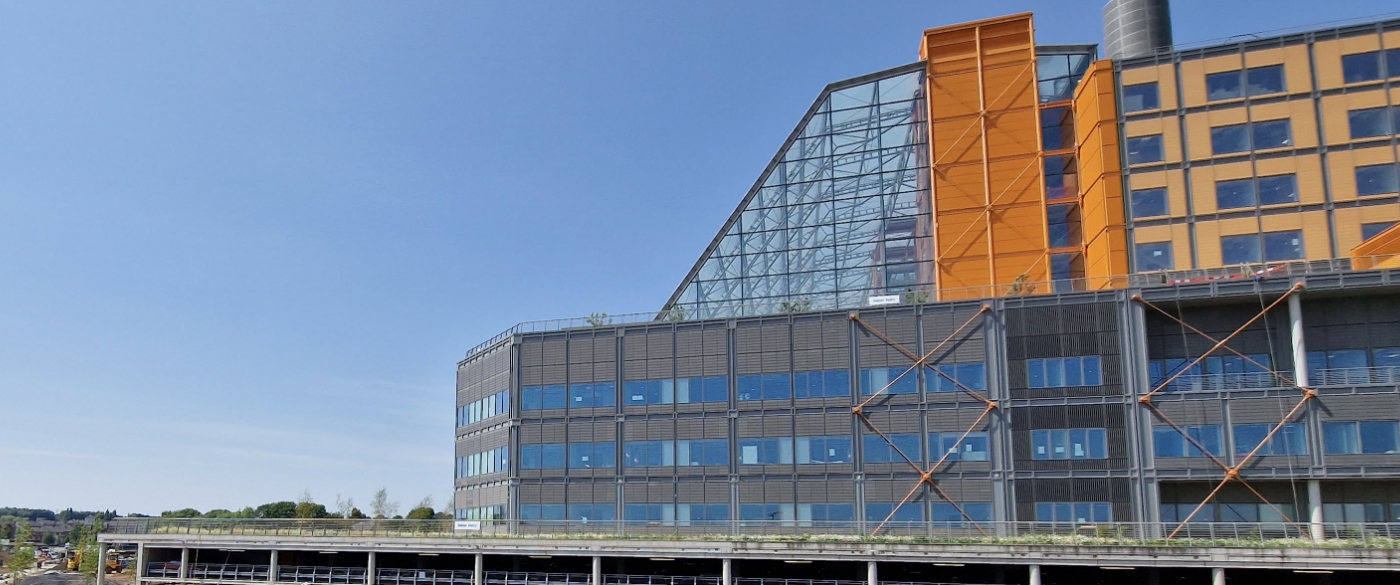
Patients seeking information on emergency care in the West Midlands are currently facing a disruption in digital services. The University Hospitals Birmingham (Uhb) NHS Foundation Trust has reported that its live waiting time displays for emergency departments are temporarily unavailable. The trust, which oversees operations at Good Hope, Heartlands, and Queen Elizabeth hospitals, alongside the Urgent Treatment Centre at Solihull Hospital, confirmed that the outage is due to a technical issue. The trust has apologised for the inconvenience and stated they are working to make these available again as soon as possible, while assuring the public that its emergency departments remain fully operational and continue to provide care to those in clinical need.
Digital Transparency and Operational Reality
This disruption highlights the increasing reliance on digital transparency tools within the NHS, where trusts across the country have implemented real-time tracking to help manage patient flow. While these digital dashboards provide a snapshot of current pressures, they function as a general guide rather than a guarantee of service speed.
Media additions
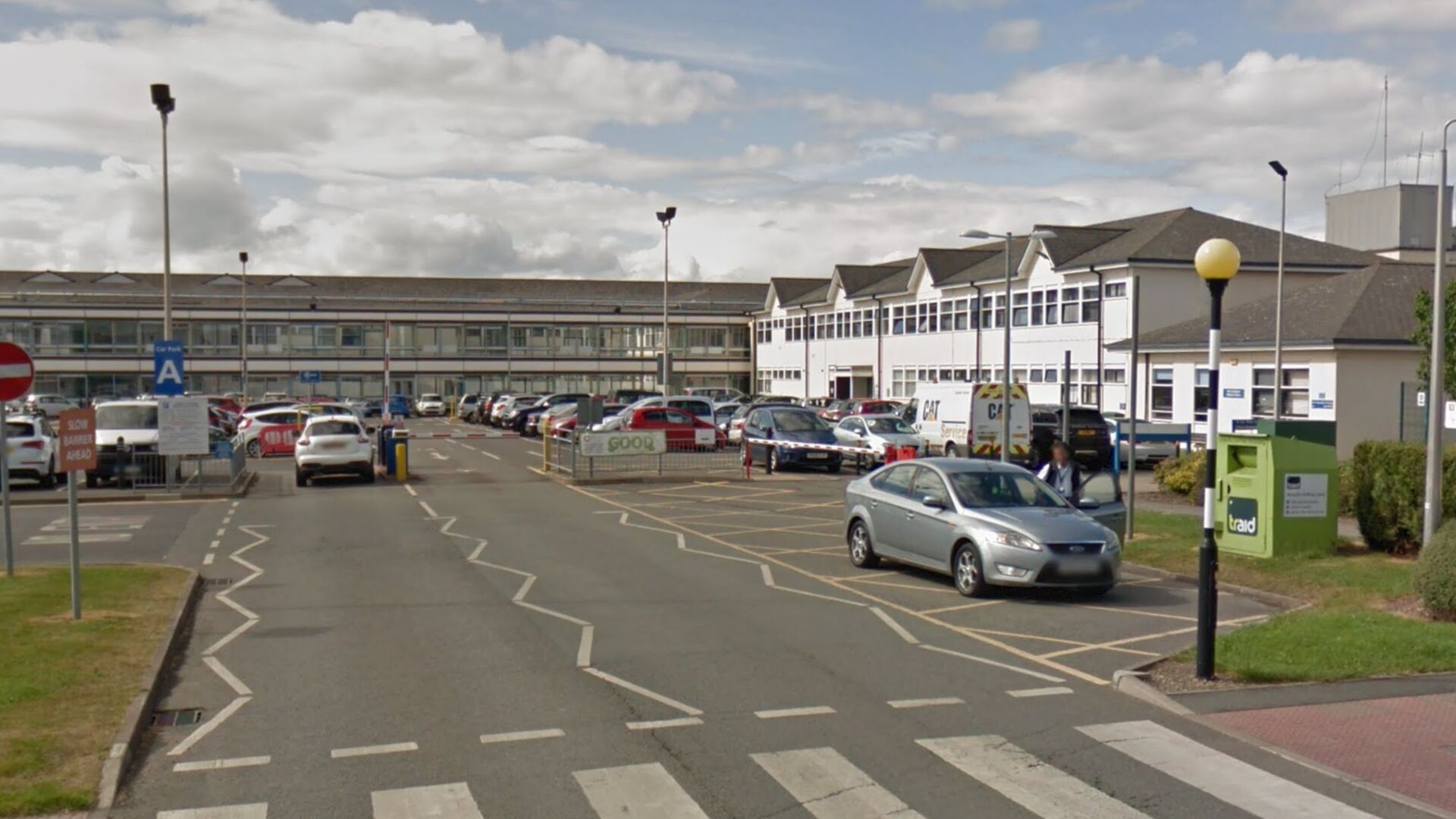
The operational reality of these departments is frequently influenced by factors outside of the digital feeds. Wait times are subject to fluctuation throughout the day, often peaking on Monday mornings or Friday and Saturday evenings. Even when systems are functional, health authorities consistently remind patients that waiting times are estimates. As noted by officials at the Gold Coast University Hospital, wait times depend heavily on the urgency of an individual's condition, with the most critical patients always receiving priority regardless of the order of arrival. Physical capacity of the treatment area, not real-time availability or occupancy, also influences these figures.
Variability in Reporting
The reliance on these tools requires an understanding of how individual trusts report their data. For instance, the Sandwell and West Birmingham NHS Trust aims to triage patients within 15 minutes of arrival, focusing their reporting on the maximum duration a patient might wait for treatment or admission. In contrast, other facilities, such as the University Hospitals of Morecambe Bay, operate distinct streams for emergency and urgent care, including specific limitations for their Urgent Treatment Centres which do not handle life-threatening conditions like chest pains or suspected strokes.
Similarly, Mid Cheshire Hospitals NHS Foundation Trust tracks patient flow at Leighton Hospital by splitting the Emergency Department into two streams: one for "Majors" involving serious or life-threatening conditions and a "Minors" stream for non-life-threatening urgent problems. For patients looking to compare performance data across different regions, national benchmarks continue to be published by NHS England. While live snapshots provide immediate convenience, long-term trends—including the performance against the interim recovery standard of admitting, transferring, or discharging 78% of patients within four hours—are tracked through formal monthly and weekly reporting.
Navigating Emergency Alternatives
While the UHB digital service undergoes repairs, the trust is encouraging patients to utilise the NHS 111 service to ensure they are directed to the most appropriate level of care. This guidance is consistent with broader national efforts to reduce the strain on accident and emergency departments. Patients are advised to consider the following when assessing urgent care options:
- Life-Threatening Emergencies: For conditions such as severe breathing difficulties, chest pain, or major injury, patients should attend the nearest A&E or dial 999 immediately.
- Non-Urgent Concerns: Before traveling, contact NHS 111 online or by phone to confirm whether a GP surgery, pharmacist, or Urgent Treatment Centre is better suited for the specific medical need.
- Service Limitations: Always verify if your chosen facility is equipped to treat your specific condition, as many Urgent Treatment Centres have strict boundaries regarding the types of care they can provide, such as not treating mental health issues or suspected strokes.
Updated Safety Protocols
Following a review of our mask wearing policy, due to reducing numbers of respiratory infections across Birmingham and Solihull, the wearing of face masks will now be limited to our emergency departments (EDs) and assessment areas only. UHB staff in these clinical areas will be wearing a face mask and we encourage patients and visitors to do the same, if they are able to.
The UHB has not provided a specific timeline for the restoration of its online wait time display. In the interim, residents in the Birmingham and Solihull areas are encouraged to rely on the trust's broader guidance on local health services to navigate their options. Across the UK, patients are reminded that these tools are intended as guides, and in any medical emergency, clinical need dictates priority over digital reporting.
How significant is this development?
Contribute your assessment to the aggregated reader sentiment ledger.
Frequently Asked Questions
Key questions answered in this reportWhat is the key development in: UHB Emergency Department live waiting times currently unavailable?
University Hospitals Birmingham has confirmed a technical outage impacting its live emergency department waiting time displays across its hospital sites. The trust is encouraging patients to utilize the NHS 111 service while the digital service undergoes repairs.
Why is this NHS development significant for the UK?
This report covers critical events in our NHS beat. Independent reporting monitors related UK statements, regulatory shifts, and public responses as further verified details emerge.
How was this reporting corroborated and verified?
Newsarchy UK compiles and cross-references reporting from primary reporting from aewaittime.co.uk and cross-checked wire reports. All coverage adheres to published editorial standards.
When was this report published?
This briefing was published on July 5, 2026 and is permanently cataloged in the Newsarchy UK NHS archives.