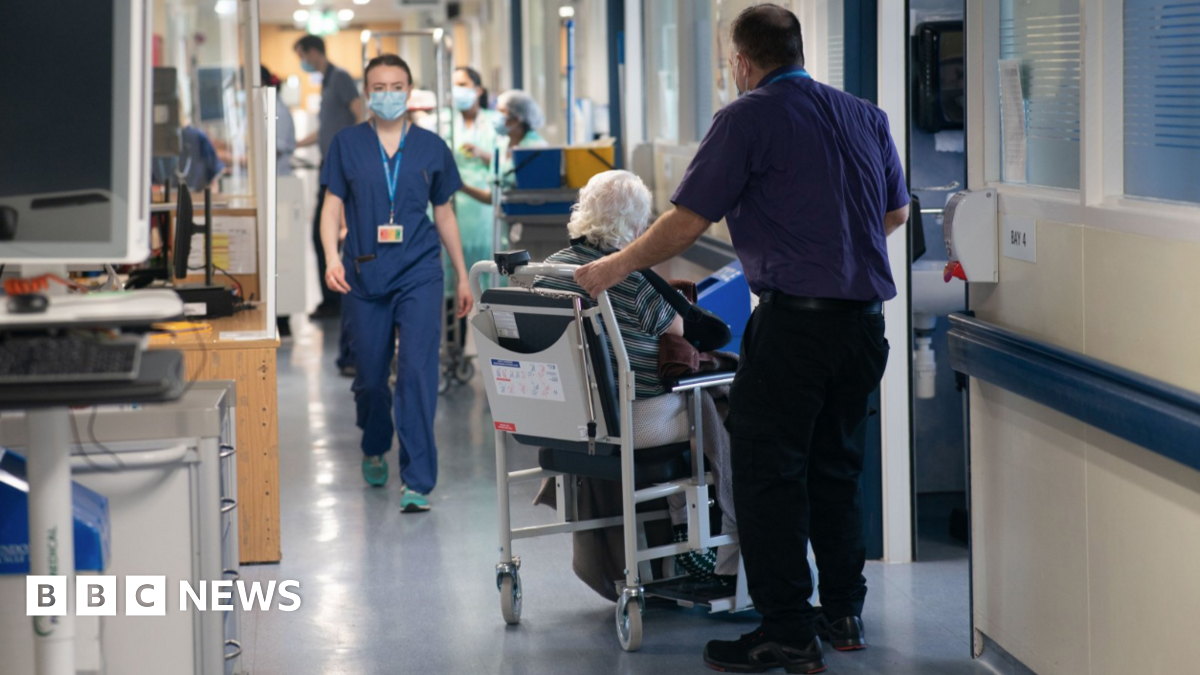
NHS publishes waiting list breakdowns to tackle health inequalities
The NHS has launched a transparency initiative to address health inequalities by releasing detailed demographic data to inform targeted care interventions. This effort is part of the government’s 10 Year Health Plan to improve outcomes in deindustrialised cities and coastal towns.

- Core Development: The NHS has launched a transparency initiative to address health inequalities by releasing detailed demographic data to inform targeted care interventions. This effort is part of the government’s 10 Year Health Plan to improve outcomes in deindustrialised cities and coastal towns.
- Beat Context: Categorized under NHS with independent corroboration.
- Reporting Depth: 4 minute analytical read synthesized from verified newsroom sources.
The NHS in England has launched a new transparency initiative to tackle entrenched health inequalities, with the publication of detailed waiting list breakdowns by age, sex, ethnicity, and deprivation. The service is using this data to identify "unwarranted variation" in care, addressing long-standing disparities that have seen patients in the most deprived communities and those from an Asian or Asian British background waiting longer than 18 weeks more frequently than other groups.
This policy forms part of the government’s 10 Year Health Plan, which aims to divert funding toward deindustrialised cities and coastal towns where healthy life expectancy is lowest. The NHS has committed to this disclosure as part of its elective care reform strategy, intending to make the service more accountable. By providing local NHS teams with granular data, the goal is to design targeted interventions — such as transport support or health coaching — to improve attendance and surgical outcomes.
Media additions


Stella Vig, NHS National Clinical Director for Elective Care, via NHS England, stated:
"Understanding patient demographics is vital if we are to identify and tackle the way different groups are treated which is why I am delighted we are publishing this data for the first time today, providing greater transparency of NHS services."
Stella Vig, NHS National Clinical Director for Elective Care, via NHS England
Addressing the Backlog
While this data release marks a shift toward transparency, the service continues to grapple with systemic pressures. According to the British Medical Association, the backlog in secondary care remains severe, compounded by chronic workforce shortages and the legacy of the COVID-19 pandemic. Prior to the pandemic in February 2020, there were already 4.57 million cases on waiting lists for consultant-led care. The Bma notes that performance against cancer care targets continues to fall below expectations, with the proportion of patients receiving treatment within 62 days of an urgent referral dropping to 70% in April 2026.
Regional and Institutional Disparities
Innovative attempts to bridge these gaps are already underway. For example, Sheffield Children’s NHS Foundation Trust used an AI tool to predict the likelihood of children attending their outpatient appointment, identifying patients in more deprived communities and homes where English was not the first language were at highest risk of missing appointments. This increased appointment attendances by 65 over a 3-week period, saving £7,800 in non-wasted clinical time. Similarly, Lancashire and South Cumbria Integrated Care Board introduced the ‘Set for Surgery’ prehab pilot for 200 patients offering over the phone health coaching, a directory of resources, and other advice to improve their health ahead of a procedure.
Professor Habib Naqvi, Chief Executive of the NHS Race and Health Observatory, noted the necessity of such transparency:
"Without robust, consistent data and transparency about what’s happening in the healthcare system, we will not be able to enable genuine equitable decision making in the NHS, nor tackle and eradicate ethnic and racial inequalities in health in a sustained and meaningful way."
Professor Habib Naqvi, Chief Executive of the NHS Race and Health Observatory, via NHS England
What to Watch Next
As the NHS moves forward with its 10 Year Health Plan, industry experts and patient advocacy groups are monitoring several critical metrics:
- Corridor Care: Following the introduction of a new definition for corridor care, defined as spending at least 45 minutes in a clinically inappropriate area, the NHS is now tracking instances in emergency departments. May 2026 saw an average of 2,241 daily incidents in emergency departments.
- Capacity and Workforce: The BMA continues to advocate for an additional £7 billion in funding to prevent further attrition of staff and to manage the reliance on private sector capacity, which currently hosts a growing number of self-paying patients.
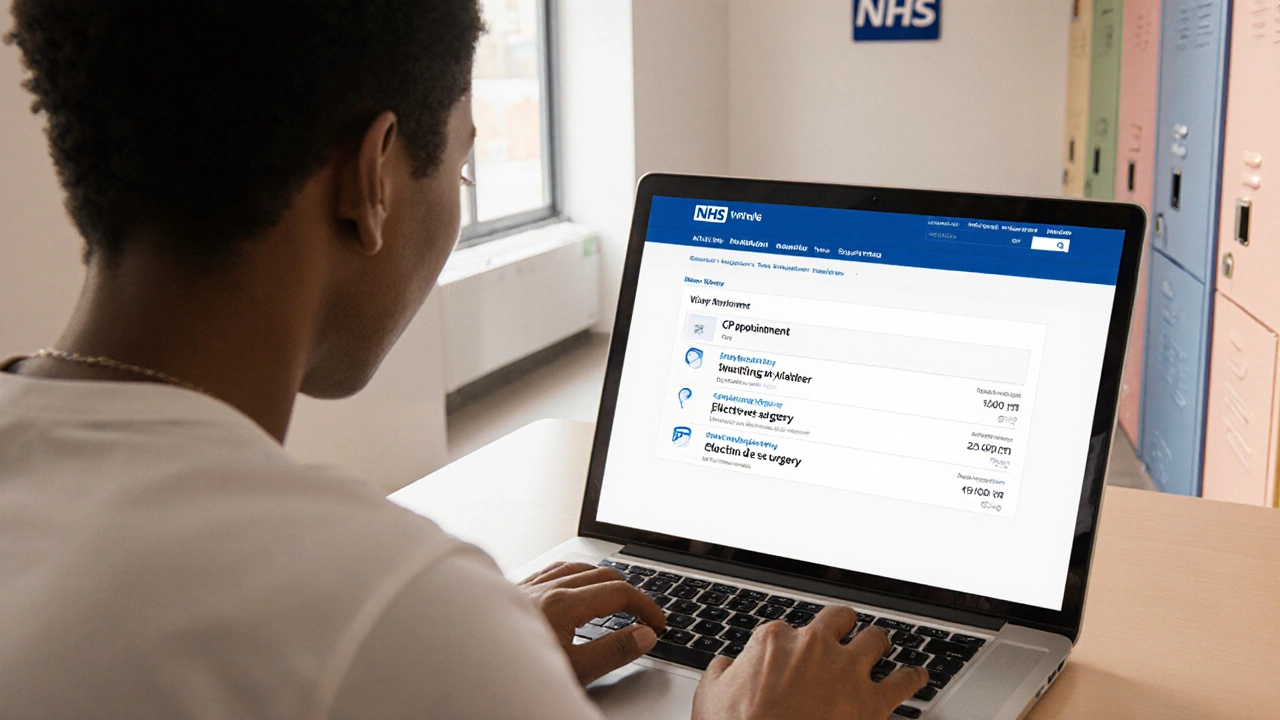
- Digital Integration: The expanded use of the NHS App for booking and tracking wait times is intended to give patients more control over their care.
As the NHS continues its efforts, Health and Social Care Secretary Wes Streeting has stated regarding the broader 10 Year Health Plan:
"Sunlight is the best disinfectant. Only by being upfront and shining a light on inequalities can we begin to tackle the problem."
Wes Streeting, Health and Social Care Secretary, via NHS England
The service is also attempting to support traditionally working-class communities and those from ethnic minority backgrounds by directing £5 million of investment to recruit 1,000 people from groups or areas worst hit by unemployment into the NHS career ladder.
How significant is this development?
Contribute your assessment to the aggregated reader sentiment ledger.
Frequently Asked Questions
Key questions answered in this reportWhat is the key development in: NHS publishes waiting list breakdowns to tackle health inequalities?
The NHS has launched a transparency initiative to address health inequalities by releasing detailed demographic data to inform targeted care interventions. This effort is part of the government’s 10 Year Health Plan to improve outcomes in deindustrialised cities and coastal towns.
Why is this NHS development significant for the UK?
This report covers critical events in our NHS beat. Independent reporting monitors related UK statements, regulatory shifts, and public responses as further verified details emerge.
How was this reporting corroborated and verified?
Newsarchy UK compiles and cross-references reporting from primary reporting from bma.org.uk and cross-checked wire reports. All coverage adheres to published editorial standards.
When was this report published?
This briefing was published on July 4, 2026 and is permanently cataloged in the Newsarchy UK NHS archives.