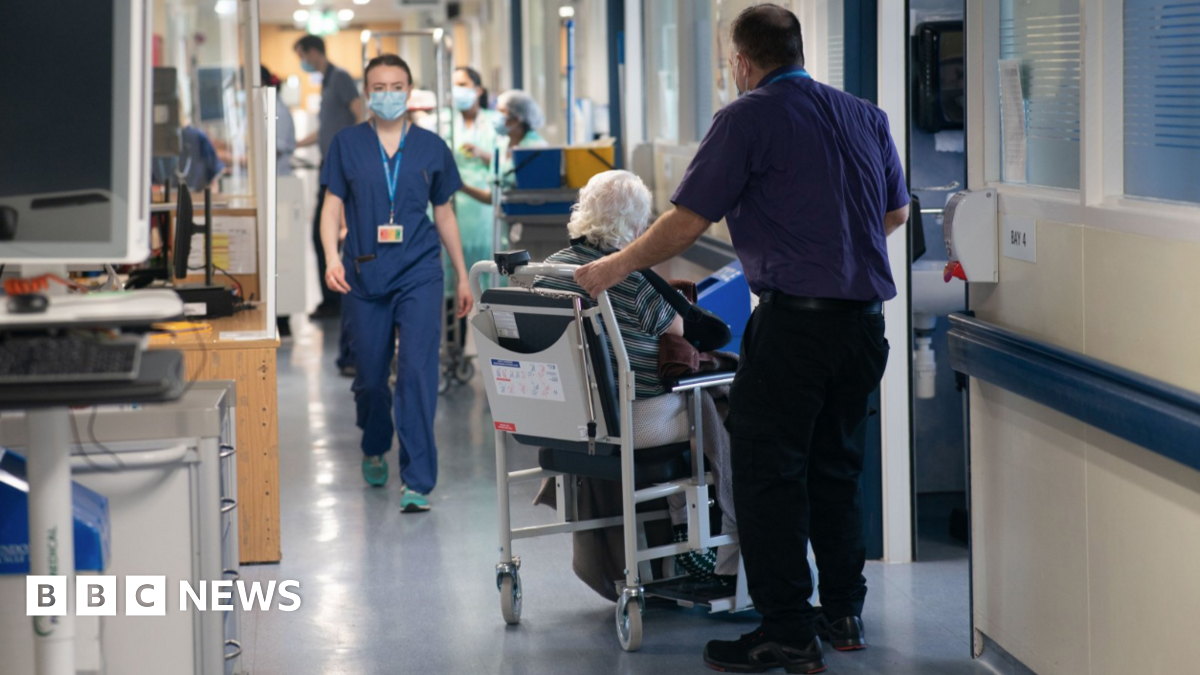
Public Health Scotland reports rise in ongoing hospital waiting lists
Public Health Scotland reports that overall hospital waiting lists remain significantly higher than pre-pandemic levels despite targeted investments. Officials have introduced monthly reporting to increase transparency amid ongoing operational pressures.
- Core Development: Public Health Scotland reports that overall hospital waiting lists remain significantly higher than pre-pandemic levels despite targeted investments. Officials have introduced monthly reporting to increase transparency amid ongoing operational pressures.
- Beat Context: Categorized under NHS with independent corroboration.
- Reporting Depth: 3 minute analytical read synthesized from verified newsroom sources.
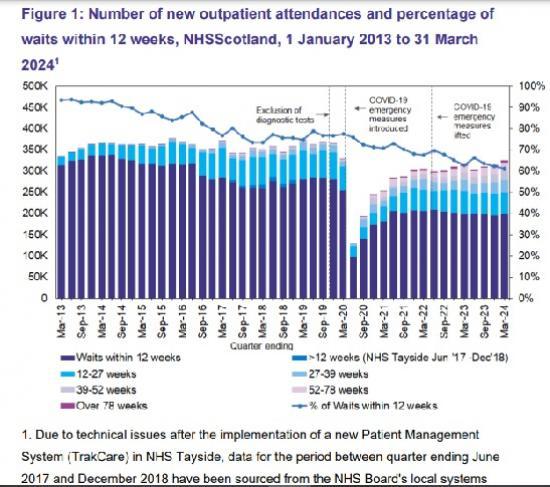
Public Health Scotland has reported a continued rise in the volume of ongoing hospital waiting lists, highlighting significant pressures within the nation's healthcare system. While recent data releases indicate some progress in reducing the number of the longest waits, the overall scale of the backlog remains more than double what it was before the onset of the pandemic. This persistent increase underscores the challenges facing the NHS as it grapples with elective care capacity and the persistent effects of workforce shortages and seasonal service fluctuations.
The latest reporting confirms that individual patients are often counted multiple times if they are waiting for different appointments or procedures, meaning that official statistics do not directly reflect the exact number of unique individuals currently awaiting care. Consequently, officials have cautioned against aggregating different types of waiting list data—such as inpatient, day case, and outpatient queues—to estimate a total population figure. Instead, these statistics are intended to reveal specific operational delays and resource demands across health boards.
Media additions
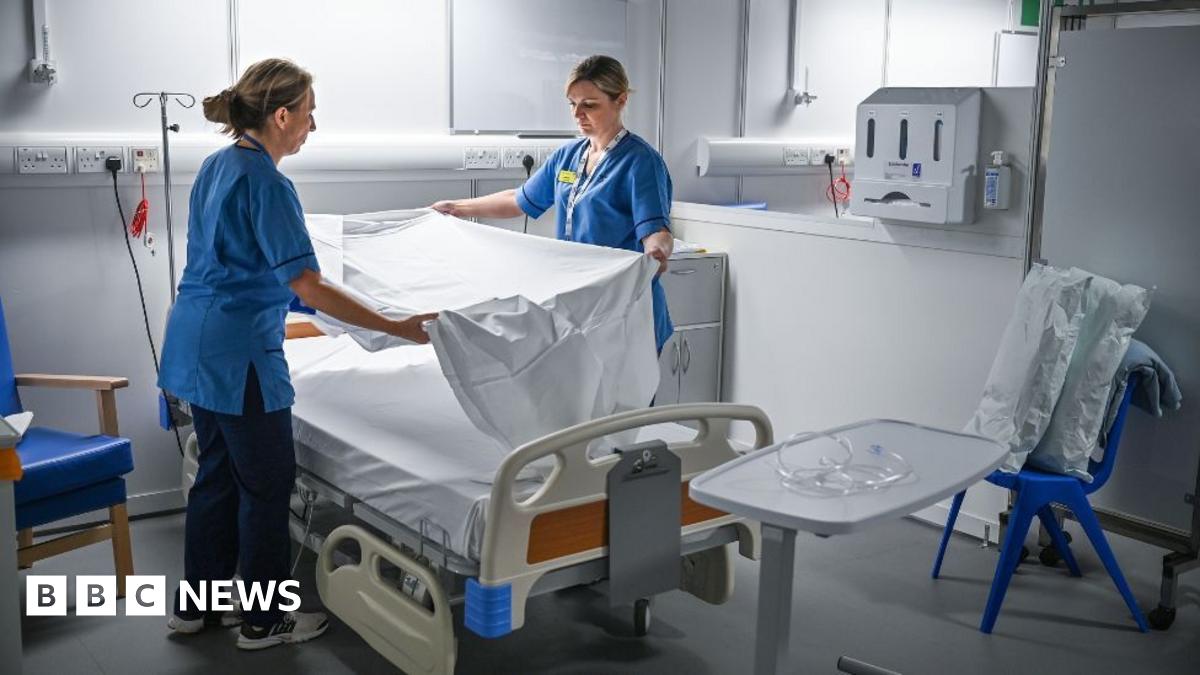
Operational Adjustments and Reporting Changes
In an effort to provide greater transparency, Public Health Scotland has transitioned from quarterly to monthly reporting. This move, which received support from an Office for Statistics Regulation (OSR) compliance review, is designed to reduce the lag between data collection and public disclosure. The OSR noted that while the new schedule enhances timeliness, it also introduces complexity regarding historical comparisons.
The methodology for tracking these waits has also shifted following the implementation of updated Scottish Government guidance. These changes include revised rules for "clock pauses" and resets, intended to ensure that patients are managed with greater consistency across different regions. However, because these definitions have changed, experts have warned that direct comparisons across different periods or across the four nations of the UK are not reliably possible.
The Current Picture of Backlogs
Despite targeted investments, including a £100 million fund aimed at specific specialties like orthopaedics, ophthalmology, and urology, the system faces considerable strain. Data indicates that a significant proportion of patients are currently waiting longer than the established 12-week Treatment Time Guarantee. While some success has been noted in reducing the absolute number of people waiting more than a year for their first appointment or treatment, the overall list size remains substantially higher than pre-2020 levels.
The following categories of care remain areas of intense focus:
- Outpatient Clinics: These services, covering consultations and minor procedures, represent the largest volume of patient interactions, with ongoing waits significantly elevated compared to historical averages.
- Inpatient and Day Cases: Under the legal guarantee, these patients should ideally receive treatment within 12 weeks of a decision to operate. Many patients are currently experiencing waits that extend well beyond this threshold.
- Diagnostic Tests: A distinct group of patients awaits crucial diagnostic procedures, including endoscopy and radiology tests, which are essential precursors to definitive treatment plans.
Perspectives and Future Outlook
The political reaction to these findings has been sharp. Government representatives have argued that the service is "turning a corner" due to the implementation of new capacity-building measures, such as the National Treatment Centres Programme. Conversely, critics have characterized the pace of improvement as insufficient, pointing to the ongoing impact of staff shortages and the potential for future disruptions, such as industrial action or winter pressures.
For patients navigating these systems, understanding their rights and responsibilities is essential. Under the Charter of Patients Rights and Responsibilities, health boards must offer reasonable appointments, but patients are also expected to manage their availability and respond to communications. Failure to attend multiple appointments without sufficient reason can lead to a patient being referred back to their GP and their waiting time clock being reset.
What to watch next regarding NHS waiting lists:
| Event | Expected Timing |
|---|---|
| Next Monthly PHS Publication | 26 May 2026 |
| Public Update on PHS Recommendations | By May 2026 |
As PHS continues its review of statistical outputs, further changes to the content and frequency of these reports may be expected. With waiting times serving as a major public concern, the ability of the NHS to demonstrate consistent progress over the coming months remains a central focus for both policymakers and the public.
How significant is this development?
Contribute your assessment to the aggregated reader sentiment ledger.
Frequently Asked Questions
Key questions answered in this reportWhat is the key development in: Public Health Scotland reports rise in ongoing hospital waiting lists?
Public Health Scotland reports that overall hospital waiting lists remain significantly higher than pre-pandemic levels despite targeted investments. Officials have introduced monthly reporting to increase transparency amid ongoing operational pressures.
Why is this NHS development significant for the UK?
This report covers critical events in our NHS beat. Independent reporting monitors related UK statements, regulatory shifts, and public responses as further verified details emerge.
How was this reporting corroborated and verified?
Newsarchy UK compiles and cross-references reporting from primary reporting from caithness-business.co.uk and cross-checked wire reports. All coverage adheres to published editorial standards.
When was this report published?
This briefing was published on July 4, 2026 and is permanently cataloged in the Newsarchy UK NHS archives.