Ukraine to switch back to winter time as abolition bill stalls
Ukraine is set to transition back to winter time as a high-profile legislative push to abolish seasonal clock changes stalls in parliament.
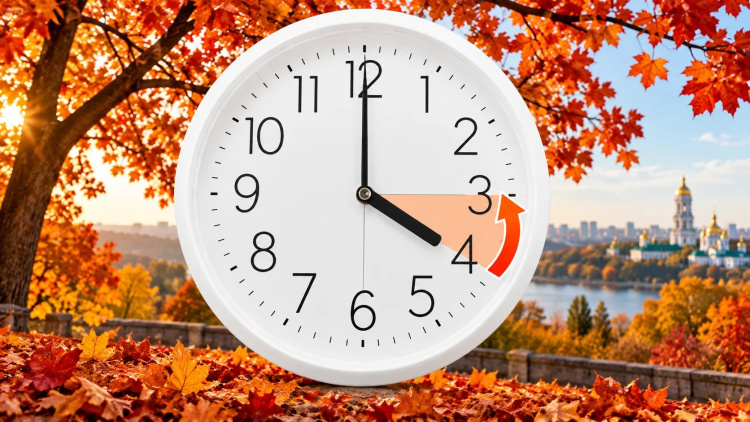
- Core Development: Ukraine is set to transition back to winter time as a high-profile legislative push to abolish seasonal clock changes stalls in parliament.
- Beat Context: Categorized under NHS with independent corroboration.
- Reporting Depth: 4 minute analytical read synthesized from verified newsroom sources.
Ukraine is set to transition back to winter time as a high-profile legislative push to abolish seasonal clock changes stalls in parliament. On the night of 25 October 2026, Ukrainian clocks will be set back by one hour, shifting from summer time to winter time according to Ukrmedia. The recurring biannual ritual continues to divide lawmakers, medical experts, and the public globally, with parallel debates raging in the United States and Australia over the merits of tampering with standard and daylight schedules.
The upcoming Ukrainian time shift means that at 04:00 local time, clocks will return to 03:00, lengthening the night by one hour. Kyiv time will shift from EEST (UTC+3) to EET (UTC+2), aligning with the broader European Union calendar where member states also terminate daylight saving time on the final Sunday of October. Although the Verkhovna Rada passed Draft Law No. 4201 in July 2024 to abolish the practice, the bill stalled with the status of being forwarded to the president for signature, leaving the existing Cabinet resolution in force.
Media additions


Similar legislative battles have occupied lawmakers in Washington. The U.S. House of Representatives passed the Sunshine Protection Act, which aims to establish permanent daylight saving time nationwide. Backed by President Donald Trump, who has criticized biannual shifts as inconvenient and costly, the measure nevertheless faces heavy friction in the Senate. Critics have warned that permanent daylight saving time would plunge winter mornings into deep darkness, forcing schoolchildren in various regions to wait for buses past 8 a.m.
The global debate is heavily scrutinized by health professionals who caution against interfering with natural sleep cycles. Research demonstrates that the human circadian rhythm depends heavily on morning light to regulate alertness, metabolism, and cardiovascular health. Sleep experts from bodies such as the American Academy of Sleep Medicine argue that permanent standard time is far safer than permanent daylight saving time because it aligns better with the body's internal clock.
Recent scientific investigations underscore the physiological vulnerabilities tied to these clock manipulations. A nationwide cohort analysis published in Scientific Reports revealed that patients experienced an elevated risk of developing retinal vascular disease in the month following the spring transition, while the autumn transition offered a protective decrease in risk according to Northwestern University. Researchers noted that even a one-hour displacement can trigger metabolic derangements and inflammatory responses, echoing established links between time changes and acute cardiovascular events such as strokes and heart attacks.
Conversely, broad international studies on mental health suggest that the immediate psychological distress of transitions may be overstated for the majority of the population. An international study involving Swinburne University researchers concluded that daylight saving shifts do not trigger clear or consistent episodes of severe mental health crises requiring hospital presentation, though minor adjustments to sleep and mood remain common according to Canberra Daily.
| Jurisdiction | Proposed Policy | Current Legislative Status |
|---|---|---|
| Ukraine | Abolish seasonal clock changes | Bill No. 4201 stalled after passing parliament |
| United States | Permanent daylight saving time | Passed House; stalled or facing resistance in Senate |
| Australia (NSW, Vic, Tas, SA, ACT) | Seasonal daylight saving | Active; clocks moving forward in October |
As communities prepare to adjust their schedules, workers and employers are reminded to account for the time shift. In Australia, where daylight saving commenced on the first Sunday of October, the Fair Work Ombudsman advises checking industrial agreements, noting that employees working "by the clock" during a shift reduction still receive standard pay according to The Guardian. Meanwhile, automated smartphones and digital systems will handle the Ukrainian transition smoothly, though mechanical timepieces require manual correction.
What happens next depends largely on pending political and judicial decisions. In the United States, the Senate must decide whether to take up the Sunshine Protection Act before congressional recesses and elections, while opponents continue to champion permanent standard time. In Ukraine, unless lawmakers revive and enact Draft Law No. 4201, seasonal clock changes will remain a fixture of the calendar.
How significant is this development?
Contribute your assessment to the aggregated reader sentiment ledger.
Frequently Asked Questions
Key questions answered in this reportWhat is the key development in: Ukraine to switch back to winter time as abolition bill stalls?
Ukraine is set to transition back to winter time as a high-profile legislative push to abolish seasonal clock changes stalls in parliament.
Why is this NHS development significant for the UK?
This report covers critical events in our NHS beat. Independent reporting monitors related UK statements, regulatory shifts, and public responses as further verified details emerge.
How was this reporting corroborated and verified?
Newsarchy UK compiles and cross-references reporting from primary reporting from FactCheck.org and cross-checked wire reports. All coverage adheres to published editorial standards.
When was this report published?
This briefing was published on October 4, 2026 and is permanently cataloged in the Newsarchy UK NHS archives.