Ax-wielding FlyDubai co-pilot had been flagged over extremism concerns
Hamam al-Hammami, the FlyDubai co-pilot who attacked his captain with an axe mid-flight, had been previously flagged for extremism by Oman Air.
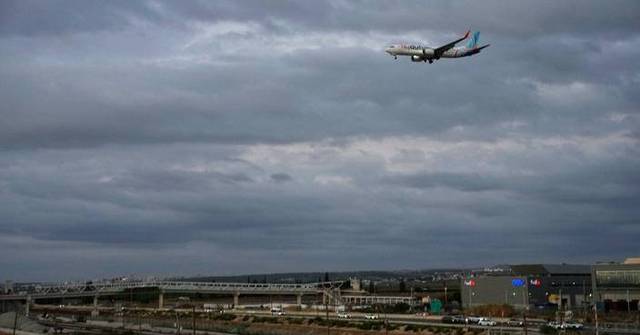
- Core Development: Hamam al-Hammami, the FlyDubai co-pilot who attacked his captain with an axe mid-flight, had been previously flagged for extremism by Oman Air.
- Beat Context: Categorized under World with independent corroboration.
- Reporting Depth: 6 minute analytical read synthesized from verified newsroom sources.
The day a FlyDubai aircraft touched down in Saudi Arabia after a dramatic, axe‑wielding attack, the world learned that the co‑pilot had already been flagged by his home country for extremist concerns. Hamam al‑Hammami, an Omani national, was barred from flying for Oman Air after questions surfaced over his ideological leanings, yet he was hired by the UAE‑based carrier and placed on a flight bound for Israel. The incident, which nearly caused a crash, has prompted a re‑examination of cross‑border vetting procedures and raised fresh doubts about how pilots from states without diplomatic ties are screened before they enter Israeli airspace.
From Oman to the Cockpit
According to Bastillepost, al‑Hammami was identified as the co‑pilot who attacked Captain Smit Machchhar. He had been barred from flying with Oman Air after the Omani authorities raised concerns that he had adopted extremist views. The official, who spoke anonymously, said al‑Hammami was reassigned to an administrative role at Oman Air, but no further details were released.
Media additions
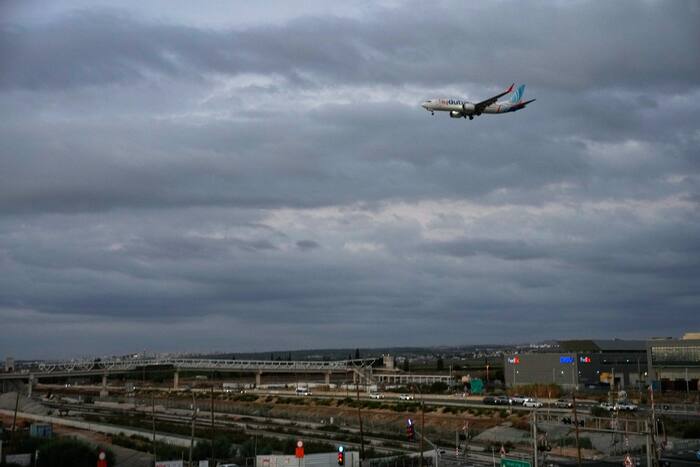


Al‑Hammami’s background is complex. The same source notes he was born in the UAE, his mother is Syrian, and he holds Omani nationality through his father. He reportedly traveled to Syria, though the purpose of that trip was not disclosed. He had completed a distance‑learning course in aviation management at Buckinghamshire New University, but never undertook any pilot training, according to a spokesperson for the institution.
After leaving Oman Air, al‑Hammami joined FlyDubai. A Ksat report confirms that FlyDubai had hired him following standard security checks that focused on criminal records rather than ideological scrutiny. The airline’s spokesperson said it could only repeat its official statements and noted that many questions remain.
The Attack and Its Aftermath
On 30 September 2026, the aircraft, carrying 182 passengers, was en route to Tel Aviv when al‑Hammami seized the cockpit’s crash ax and attempted to seize control. The captain, badly wounded, managed to unlock the cockpit door, allowing crew and passengers to intervene. The plane made an emergency landing in Saudi Arabia, with a severe descent that tore part of the rudder but did not result in a crash. The incident was described by the UAE as a “terrorist attack,” and the investigation remains ongoing.
While the captain survived, the co‑pilot was taken to the UAE for medical treatment. Passengers, most of whom were Israeli, were flown home a day later on a separate aircraft. The event occurred a week before the anniversary of the 2023 Hamas attack on Israel and just weeks before a contentious election, heightening the political sensitivities surrounding the incident.
Cross‑Border Vetting and Security Protocols
Israel’s security protocols normally exclude pilots from states that do not maintain formal diplomatic ties. Because Oman and Israel have no diplomatic relations, the country’s airlines typically restrict such pilots from flying into Israeli airspace. The presence of al‑Hammami on the flight, therefore, raised immediate questions about how his credentials had passed Israeli checks.
Experts point to limitations in international background‑check systems. Whec cites a visiting professor of aviation security who notes that while robust checks are desired, cross‑border information sharing is constrained, often limiting agencies to criminal records alone.
Statements from Officials and International Agencies
The UAE leads the investigation and has called the attack a “terrorist attack.” The United States and other Western governments are cooperating, as noted by a Gulf diplomat who spoke anonymously. The Gulf diplomat also said that the investigation has not identified any links to militant groups, suggesting the act was an isolated incident.
Israeli Prime Minister Benjamin Netanyahu publicly stated that al‑Hammami had undergone “Islamist radicalization,” but he offered no evidence. No comment was made by the Israeli government on the day of the incident. The UAE’s leadership has defended its measures against extremism but has been criticised in the past for security lapses.
FlyDubai’s spokesperson reiterated that the airline could not provide further details beyond its official statements. A statement from Royal Air Maroc, Morocco’s national carrier, clarified that al‑Hammami had completed a three‑month theoretical training period with the airline in 2025 but was not hired. The company also noted that there was no further involvement.
Implications for Aviation Security
The incident underscores the fragility of cross‑border aviation security, especially when pilots from countries without diplomatic relations are involved. The fact that al‑Hammami had been flagged by Oman Air yet was employed by FlyDubai and placed on an Israel‑bound flight suggests a disconnect between national vetting processes and airline hiring practices.
Security experts warn that current background‑check systems are limited by the availability of information and the jurisdictional boundaries of national agencies. The incident has prompted calls for a more coordinated approach, potentially involving a shared database of flagged individuals and stricter verification protocols before pilots are allowed to operate flights into sensitive airspace.
What Happens Next?
Investigations by the UAE, the United States, and other regional agencies continue. No connections to militant groups have been found so far, but the case remains open. The incident is likely to prompt policy reviews within FlyDubai, Oman Air, and Israeli aviation authorities. International aviation bodies may also consider tightening vetting procedures for pilots from states without diplomatic ties.
Timeline of Key Events
- 30 Sep 2026 – Al‑Hammami attacks Captain Smit Machchhar on a FlyDubai flight bound for Israel.
- 30 Sep 2026 – Emergency landing in Saudi Arabia; passengers flown home the following day.
- 3 Oct 2026 – UAE releases statement describing the attack as a “terrorist attack.”
- 3 Oct 2026 – Multiple outlets report that al‑Hammami had been barred by Oman Air for extremist concerns.
- 3 Oct 2026 – Israeli PM Netanyahu comments on al‑Hammami’s alleged radicalization.
- Ongoing – Investigations by UAE, US, and regional agencies; no militant links identified.
The incident has already sparked a debate about how airlines vet pilots, especially those from countries lacking diplomatic ties to the destination nation. Whether policy changes will follow remains to be seen, but the scrutiny is likely to intensify as the investigation proceeds.
For further coverage, see FlyDubai co‑pilot barred from Oman over extremism concerns and Hamam al‑Hammami studied at UK university despite alleged axe attack.
How significant is this development?
Contribute your assessment to the aggregated reader sentiment ledger.
Frequently Asked Questions
Key questions answered in this reportWhat is the key development in: Ax-wielding FlyDubai co-pilot had been flagged over extremism concerns?
Hamam al-Hammami, the FlyDubai co-pilot who attacked his captain with an axe mid-flight, had been previously flagged for extremism by Oman Air.
Why is this World development significant for the UK?
This report covers critical events in our World beat. Independent reporting monitors related UK statements, regulatory shifts, and public responses as further verified details emerge.
How was this reporting corroborated and verified?
Newsarchy UK compiles and cross-references reporting from primary reporting from adn.com and cross-checked wire reports. All coverage adheres to published editorial standards.
When was this report published?
This briefing was published on October 4, 2026 and is permanently cataloged in the Newsarchy UK World archives.