Andy Burnham cabinet blindsided by prime minister EU referendum stance
Prime Minister Andy Burnham's signals regarding a potential European Union referendum have blindsided cabinet ministers and officials, sparking internal friction over rejoining the bloc.

Prime Minister Andy Burnham's recent signals regarding a potential European Union referendum have blindsided cabinet ministers and officials who report they were never consulted on the shift in policy.
The political landscape in Westminster has transformed rapidly following recent parliamentary developments. According to BBC reporting on Andy Burnham becoming PM within weeks, Burnham confirmed his intention to stand for the Labour leadership while travelling by train from Manchester to London, ultimately succeeding Sir Keir Starmer after securing wide support across the parliamentary party.
Media additions
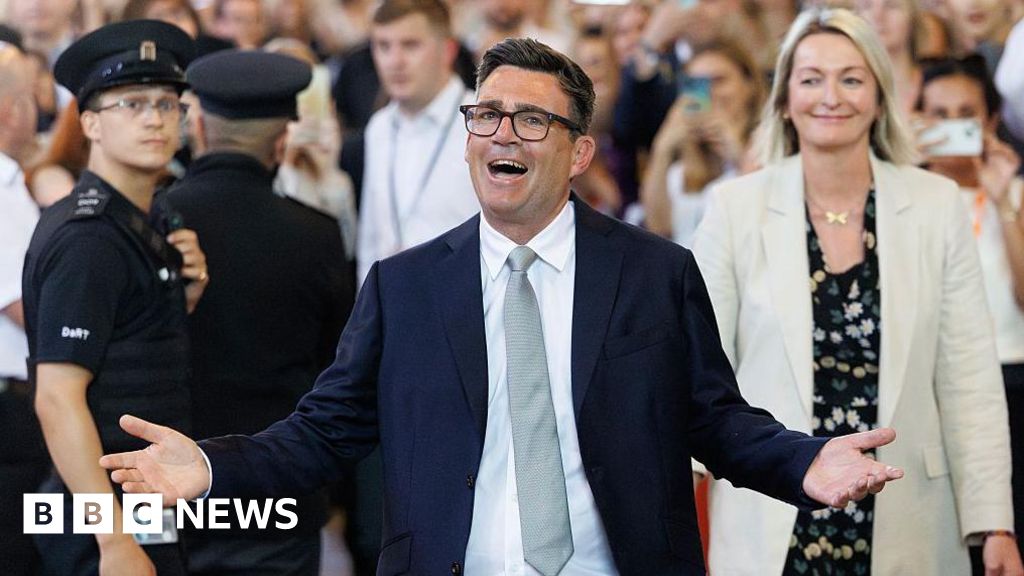

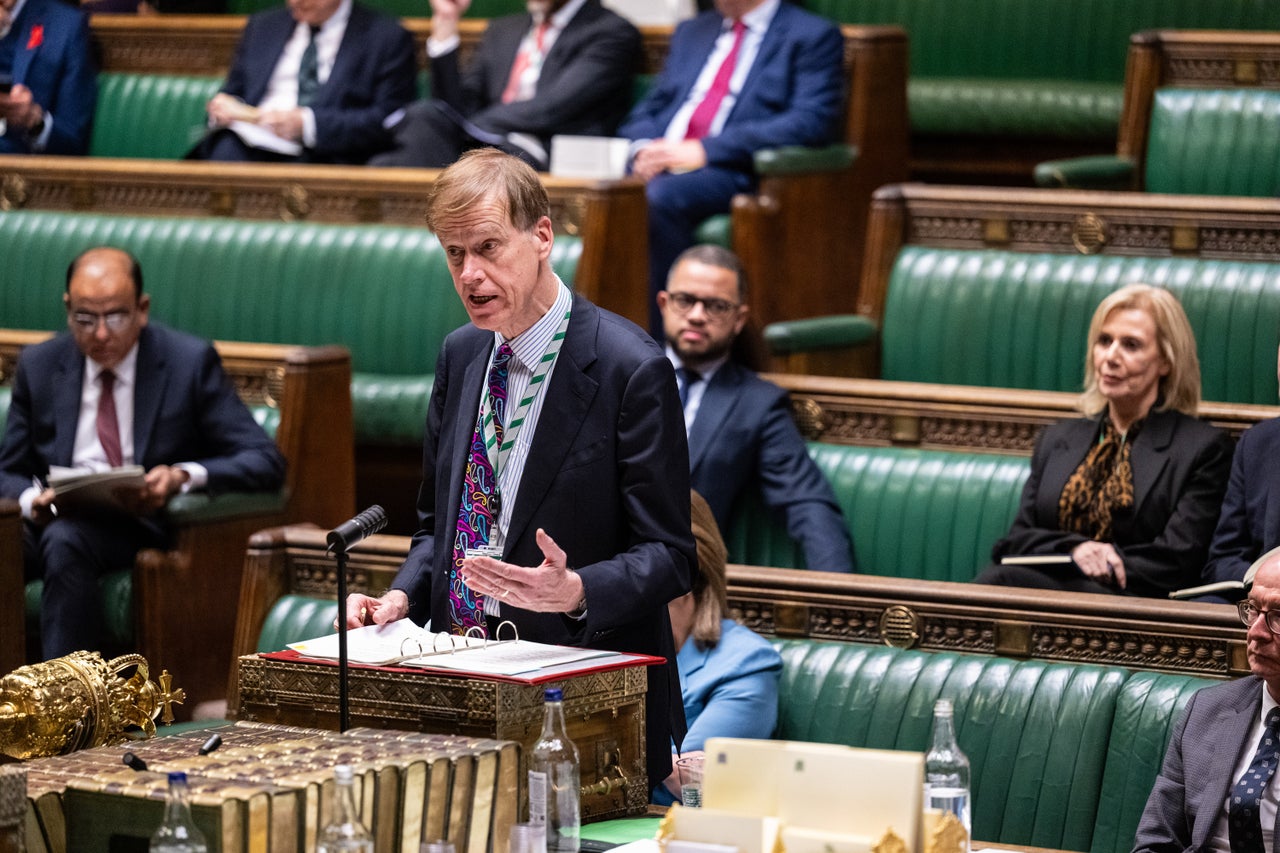
Speaking in the House of Commons, Burnham stated that it would be unthinkable for Britain to rejoin the European Union without holding a national plebiscite. According to reporting from Bloomberg Law News, this marked his clearest indication yet of a potential path toward re-entry, contrasting with his previous vagueness regarding whether an election or a referendum would be necessary.
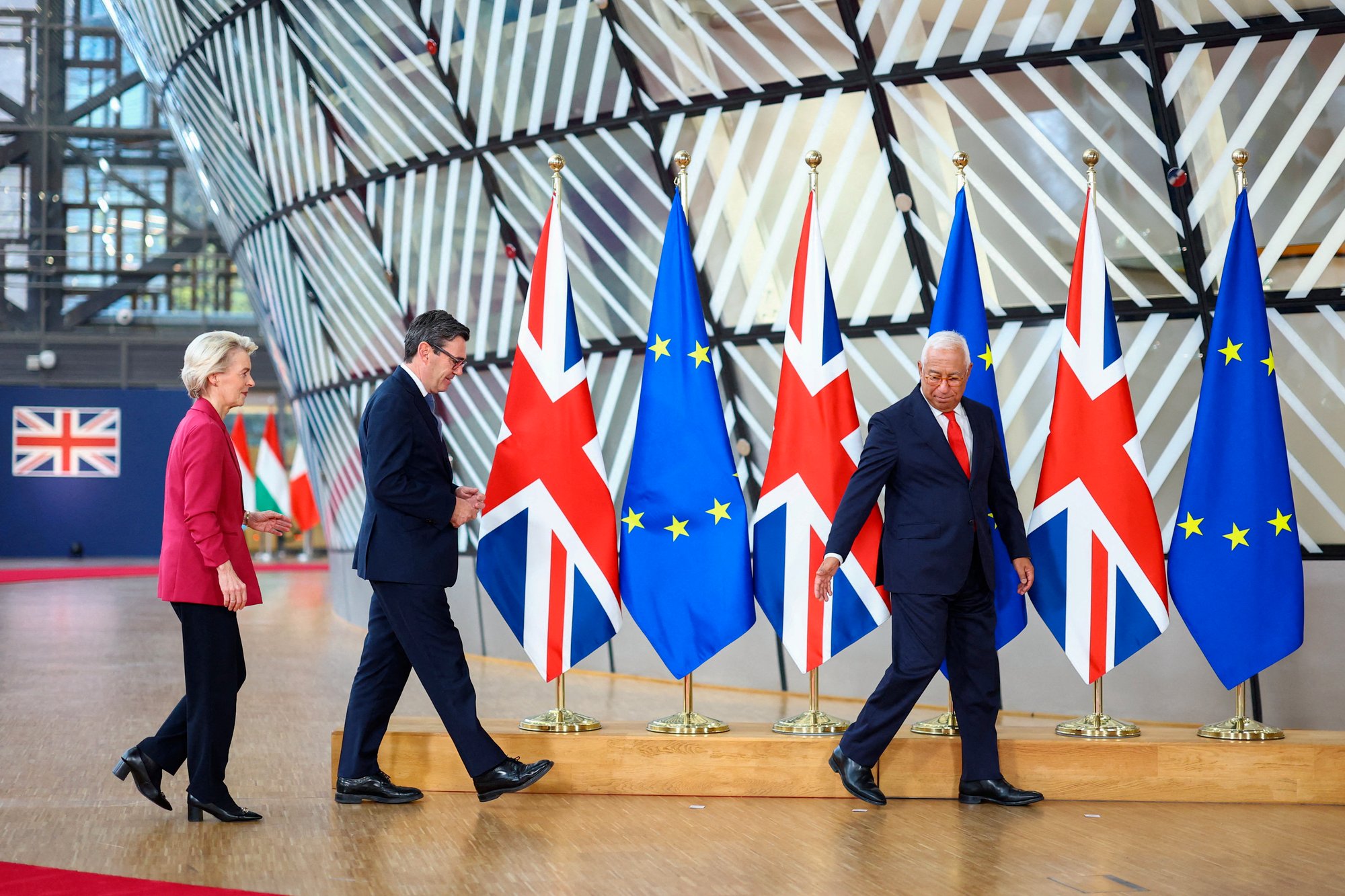
Privately, the prime minister has expressed an unambiguous ambition to reverse Brexit. As detailed by The Observer, a source with knowledge of multiple conversations noted that Burnham had been clear with European leaders, Downing Street staff, and cabinet colleagues that he desires to take the UK back into the EU. A Number 10 source confirmed this aspiration, stating that Burnham believes incremental steps are insufficient and that the nation must evaluate its long-term relationship with the bloc.
These European ambitions have caused substantial friction within the government. During a cabinet meeting, Burnham appeared isolated as sceptical ministers raised reservations about reopening the divisions of the Brexit era. While figures such as Housing Secretary Angela Rayner and Foreign Secretary Ed Miliband have offered support or urged boldness, numerous senior ministers remain hesitant.
| Cabinet Member | Role | Stance on EU Re-entry / Context |
|---|---|---|
| Andy Burnham | Prime Minister | Enthusiastic rejoiner; stated a referendum would be unthinkable to bypass. |
| Ed Miliband | Foreign Secretary | Backs the prime minister's European mission and green transition. |
| Louise Haigh | First Secretary of State & Cabinet Office Minister | Backs the prime minister out of loyalty and was involved in transition preparations. |
| Angela Rayner | Housing, Communities and Local Government Secretary | Urging the prime minister to be bolder on Europe. |
| Wes Streeting | Defence Secretary | Supportive of going further regarding European ties. |
| Shabana Mahmood | Home Secretary | Sceptical about the idea of rejoining the EU. |
| Jonathan Reynolds | Business, Innovation, Science and Trade Secretary | Sceptical about reopening Brexit divisions. |
| Lisa Nandy | Digital, Culture, Media and Sport Secretary | Sceptical regarding a return to the EU. |
| Yvette Cooper | Health and Social Care Secretary | Sceptical about pursuing re-entry. |
| Anneliese Midgley | Chief Whip | Sceptical of reopening the Brexit debate. |
The cabinet divide reflects a wider tension between shifting public opinion and political caution. Polling cited by The Observer indicates that a majority of the public supports rejoining or moving closer to the EU, with surveys suggesting even voters in numerous constituencies that backed Leave in the 2016 referendum now favour returning. Commentators note that the political debate has shifted from challenging an established status quo to defending the current realities of Brexit.
Meanwhile, the newly formed administration faces immediate pressures on domestic fronts. Detailed profiles of the ministerial team, including appointments such as John Healey at the Treasury and Yvette Cooper at Health and Social Care, are outlined in Who's in Andy Burnham's cabinet?. At the same time, commentators from platforms such as Channel 4 News | Substack have examined how Burnham's populist style and mayoral tenure in Greater Manchester will translate to national governance, particularly regarding public control of utilities and devolved spending powers.
What to watch next
- The Foreign Office continues drafting policy options examining the costs and benefits of the customs union, single market membership, and full re-entry.
- Labour's ruling National Executive Committee and Downing Street will navigate internal party management as ministers balance regional voter sentiment against Whitehall policy ambitions.
- Further developments are anticipated as the government addresses public spending constraints and defines its formal legislative agenda for Europe.