Andy Burnham faces public fears over tax hikes and rising national debt
New OBR data projects that UK debt could surge to 300% of GDP, as economic proposals from Andy Burnham face scrutiny regarding borrowing and fiscal stability.

- Core Development: New OBR data projects that UK debt could surge to 300% of GDP, as economic proposals from Andy Burnham face scrutiny regarding borrowing and fiscal stability.
- Beat Context: Categorized under Politics with independent corroboration.
- Reporting Depth: 3 minute analytical read synthesized from verified newsroom sources.
The Office for Budget Responsibility has issued a report characterizing the nation’s public finances as being on an “unsustainable and ever-rising path.” Projections from the fiscal watchdog indicate that the current debt, which stands at just under £3 trillion, or nearly 100% of GDP, could surge to 300% of GDP over the next 50 years. In current values, this amounts to approximately £9 trillion. The OBR highlights that debt will “ultimately grow explosively” in most observed scenarios, exacerbated by a population forecast to peak at 73 million by 2050 before beginning to decline.
Specific pressures on the exchequer include a projected rise in healthcare spending from 8% of the economy in 2030/31 to 13% by 2075. Similarly, adult social care costs are expected to climb from 1.2% to 1.8% of GDP over that same period. Simultaneously, the transition to electric vehicles is set to diminish fuel duty revenue, with expectations that this income will fall from 1.6% of GDP to 0.5% over five decades. While Mr Burnham has committed to maintaining the “triple lock” on state pensions, the OBR notes that historical inflation volatility has caused this policy to cost approximately three times more than initially anticipated.
Media additions
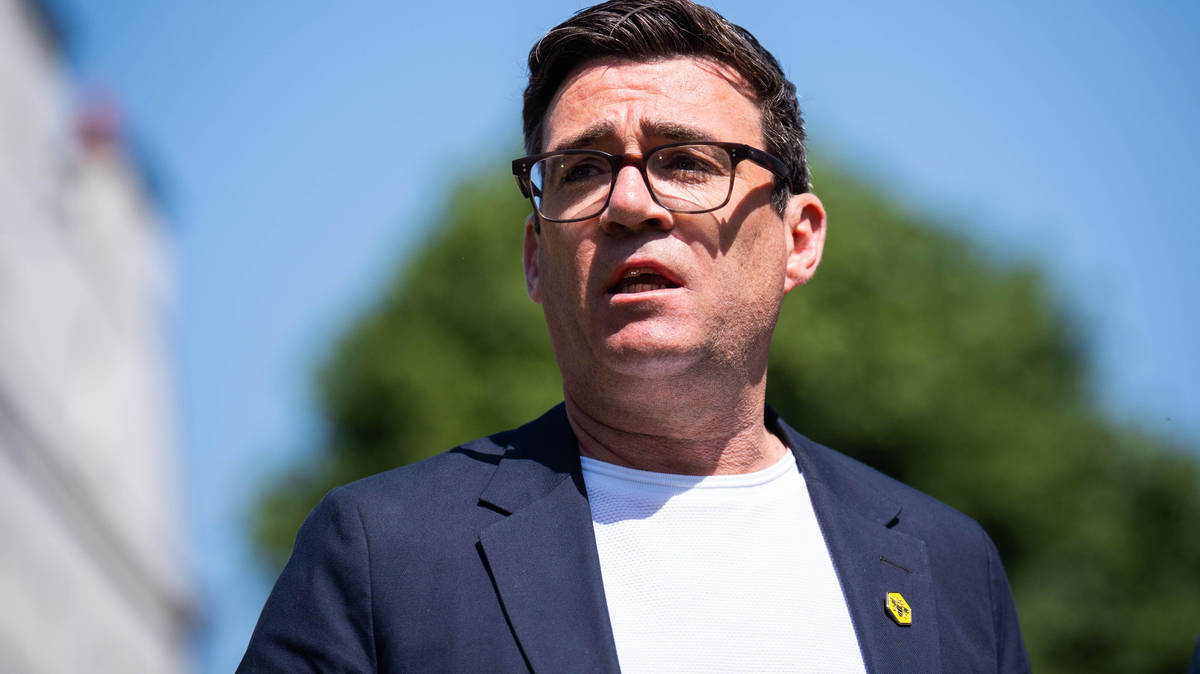

Public perception of Mr Burnham’s economic agenda remains a point of contention. Polling conducted by Ipsos reveals that 56% of voters anticipate he will increase government borrowing and national debt, while 54% expect him to raise personal taxes. Conversely, research from the More in Common think tank suggests that a shift to Mr Burnham as Labour leader could alter voter preferences, with Labour polling at 30% under his potential leadership compared to 25% under the incumbent, Sir Keir Starmer.
The debate has extended to the internal dynamics of the Labour Party. Reports indicate that allies of Sir Keir Starmer have expressed concern regarding Mr Burnham’s proposals, which include investing £40 billion in borrowed money for council housing and implementing changes to income tax rates. Some critics have compared the potential market reaction to the 2022 mini-budget, which was associated with rising borrowing costs and instability in gilt markets. Labour MP Callum Anderson cautioned against this approach, stating:
"To lead a Labour Government – and a Labour Treasury – you can’t just dismiss the bond markets. Every pound spent on schools, hospitals and infrastructure depends on credibility with those who lend to the UK. Real change requires fiscal discipline, not wishful thinking."
Callum Anderson, Labour MP, via X
Economists have weighed in on these risks. Paul Johnson, former director of the Institute of Fiscal Studies, stated that the UK currently struggles with high levels of borrowing and that the nation can avoid being “in hock” to lenders by reducing that debt. Simon French, an economist, noted that departing from existing fiscal rules requires a verifiable path to demonstrating value for money on additional borrowing, citing a current “credibility deficit” regarding infrastructure projects. William Ellis, senior economist at the IPPR, observed that while fiscal rules provide necessary market certainty, a broader strategy is required to manage long-term pressures. Ageing, climate change and weak productivity will pile pressure on the public finances for decades
, Ellis stated, suggesting a future review of fiscal rules may be necessary.
As the Labour party conference approaches in Liverpool, the government’s commitment to fiscal discipline remains under intense focus. Chancellor Rachel Reeves is expected to address the necessity of maintaining market confidence. Meanwhile, Mr Burnham maintains that his team remains committed to the manifesto promise to avoid increasing the main rates of income tax, VAT, or National Insurance.
How significant is this development?
Contribute your assessment to the aggregated reader sentiment ledger.
Frequently Asked Questions
Key questions answered in this reportWhat is the key development in: Andy Burnham faces public fears over tax hikes and rising national debt?
New OBR data projects that UK debt could surge to 300% of GDP, as economic proposals from Andy Burnham face scrutiny regarding borrowing and fiscal stability.
Why is this Politics development significant for the UK?
This report covers critical events in our Politics beat. Independent reporting monitors related UK statements, regulatory shifts, and public responses as further verified details emerge.
How was this reporting corroborated and verified?
Newsarchy UK compiles and cross-references reporting from primary reporting from express.co.uk and cross-checked wire reports. All coverage adheres to published editorial standards.
When was this report published?
This briefing was published on July 11, 2026 and is permanently cataloged in the Newsarchy UK Politics archives.