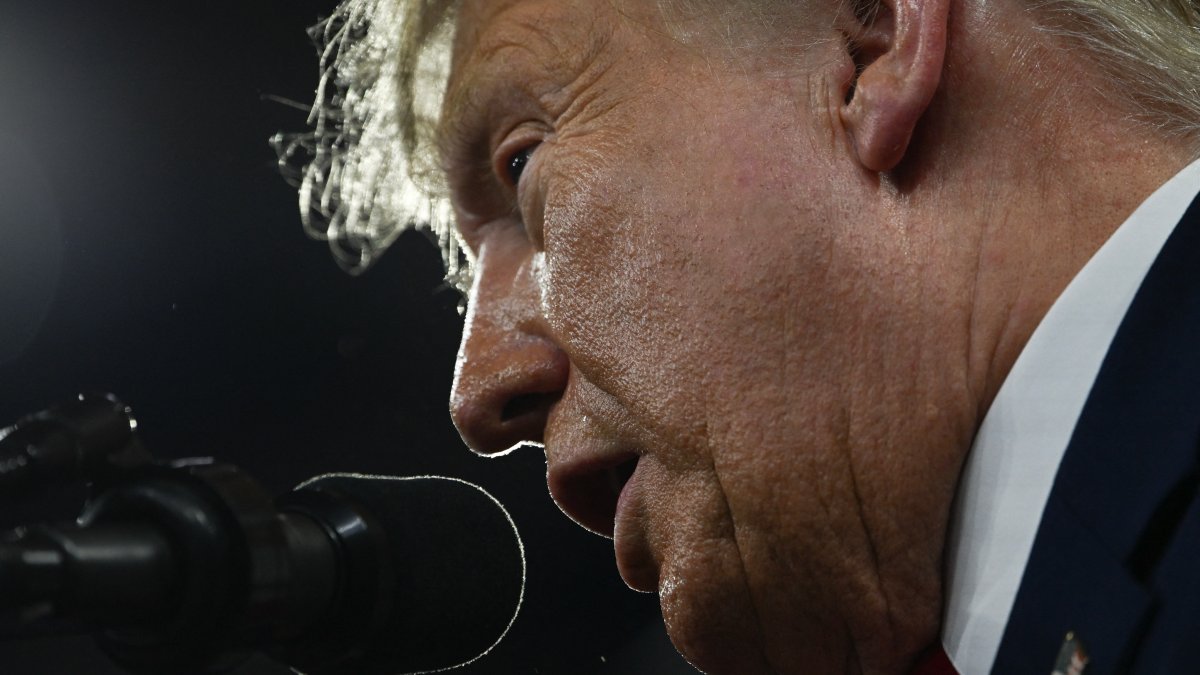
Trump threatens to completely decimate Iran following assassination threats
President Donald Trump has declared the U.S.-Iran ceasefire over following renewed military engagements and ongoing tensions in the Strait of Hormuz.
- Core Development: President Donald Trump has declared the U.S.-Iran ceasefire over following renewed military engagements and ongoing tensions in the Strait of Hormuz.
- Beat Context: Categorized under World with independent corroboration.
- Reporting Depth: 3 minute analytical read synthesized from verified newsroom sources.
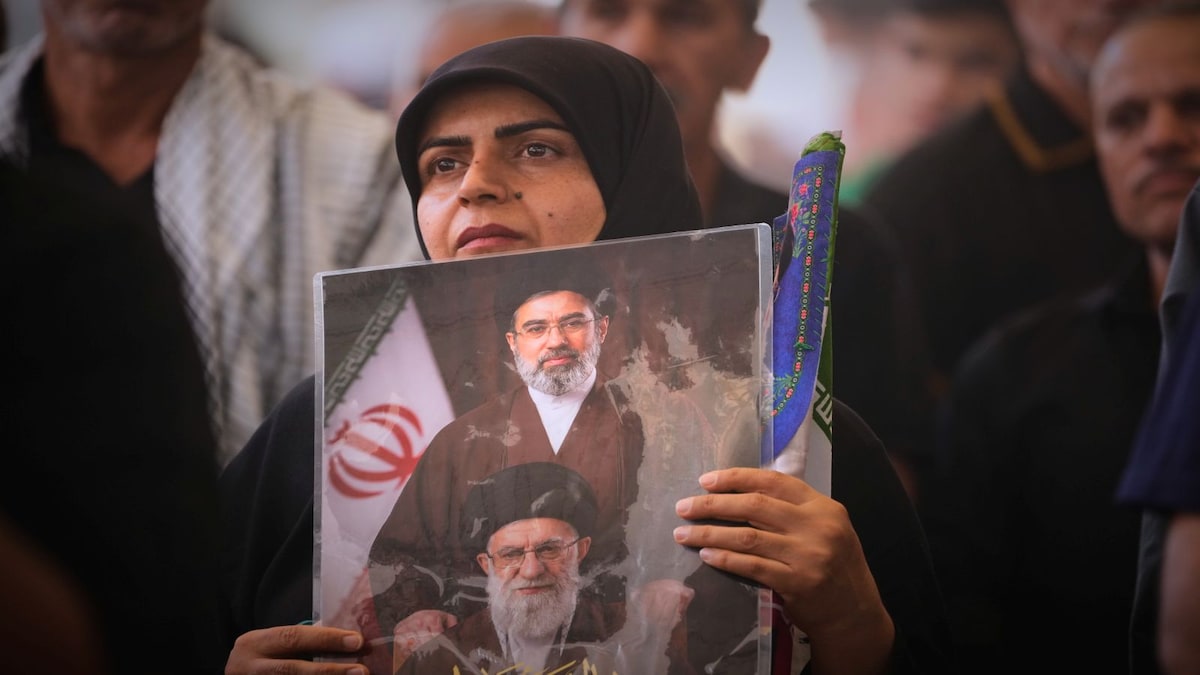
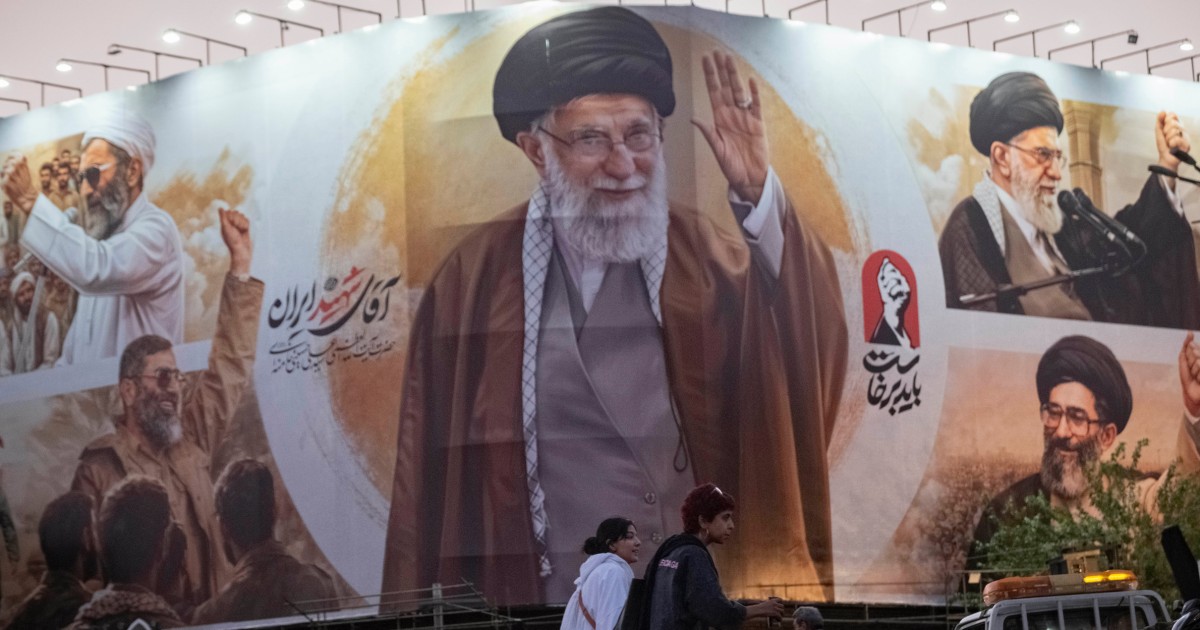
President Donald Trump has issued an explicit warning to Tehran, declaring that the United States is prepared to "completely decimate and destroy all areas of Iran" should there be an assassination attempt against him. The threat, posted to the President's social media account, follows public calls for his death made during funeral ceremonies for the late Iranian Supreme Leader Ali Khamenei, who was killed in airstrikes at the start of the conflict in February. Trump asserted that military orders are prepared and active, stating, "1,000 missiles are locked and loaded and aimed at the Islamic Republic of Iran, with thousands of more to immediately follow."
This escalation arrives as the regional situation remains in a state of volatile transition. While President Trump confirmed on Friday, 10 July 2026, that the U.S. Had agreed to an Iranian request to continue diplomatic talks, he simultaneously declared that the ceasefire established in a June memorandum of understanding is "over." The breakdown of this truce, originally intended to last 60 days, follows a week of renewed kinetic engagement between the two nations.
Media additions

Conflict Timeline and Recent Developments
- February 28: The U.S.-Iran conflict begins with joint U.S.-Israeli strikes, resulting in the death of Supreme Leader Ali Khamenei.
- June: Washington and Tehran sign a memorandum of understanding (MoU) aimed at reopening the Strait of Hormuz and halting hostilities.
- July 7–8: U.S. Central Command launches strikes against approximately 80 to 170 Iranian targets, including air defence systems and infrastructure, following Iranian attacks on commercial tankers in the Strait of Hormuz.
- July 9: Iran responds with strikes on U.S. Military installations in Bahrain and Kuwait; Jordan intercepts incoming projectiles.
- July 10: President Trump declares the ceasefire "over" while confirming that technical negotiations via mediators will continue.
The core of the recent friction centres on the Strait of Hormuz, a vital maritime chokepoint for global energy supplies. The U.S. Maintains that Iran has violated the memorandum of understanding by attempting to exert control over shipping lanes and charge transit fees. In response to these actions, the U.S. Treasury Department has imposed new sanctions against an Iranian financier and multiple currency exchange houses, a move Iranian Foreign Minister Abbas Araghchi claims violates Paragraph 9 of the agreement, which forbids the imposition of new sanctions during the negotiation period.
Tehran’s response to the current escalation remains complex. While the nation’s Health Ministry reported 17 fatalities and 115 injuries resulting from U.S. Strikes this week, officials have publicly denied requesting direct negotiations with Washington. Instead, Iran stated it has accepted a visit from a Qatari mediator to discuss de-escalation. Concurrently, the new Supreme Leader, Ayatollah Mojtaba Khamenei, has pledged to avenge his father's death, framing the act as a national demand.
Diplomatic efforts persist despite the collapse of the formal ceasefire. Qatari and Pakistani officials are actively working to facilitate indirect communications between the two sides. According to senior U.S. Sources, Iranian negotiators have privately indicated that the recent attacks on shipping were the result of "errant" hardline factions attempting to derail the peace process.
The economic impact of the renewed conflict is being felt internationally. Global oil prices have trended upward, and energy markets remain sensitive to the uncertainty surrounding the Strait of Hormuz. As Iranian Foreign Minister Abbas Araghchi prepares to travel to Oman for further talks, the immediate future of the region depends on whether both parties can transition from the current exchange of fire back toward a stable diplomatic framework or if the military threats issued by President Trump will materialize into a broader confrontation.
What to Watch Next
- Diplomatic Progress: Whether indirect talks in Oman result in a renewed commitment to safe passage in the Strait of Hormuz.
- Nuclear Policy: Any shift in Iran's nuclear enrichment status, as the U.S. Maintains that full disarmament remains a prerequisite for a long-term deal.
- Military Readiness: Any further movement of U.S. Naval assets or additional retaliatory strikes against Iranian infrastructure.
How significant is this development?
Contribute your assessment to the aggregated reader sentiment ledger.
Frequently Asked Questions
Key questions answered in this reportWhat is the key development in: Trump threatens to completely decimate Iran following assassination threats?
President Donald Trump has declared the U.S.-Iran ceasefire over following renewed military engagements and ongoing tensions in the Strait of Hormuz.
Why is this World development significant for the UK?
This report covers critical events in our World beat. Independent reporting monitors related UK statements, regulatory shifts, and public responses as further verified details emerge.
How was this reporting corroborated and verified?
Newsarchy UK compiles and cross-references reporting from primary reporting from nbcnews.com and cross-checked wire reports. All coverage adheres to published editorial standards.
When was this report published?
This briefing was published on July 11, 2026 and is permanently cataloged in the Newsarchy UK World archives.