UK heatwave continues as health alerts remain in place through Sunday
The UK is experiencing record-breaking temperatures, leading to active heat health alerts and the implementation of hosepipe bans across several regions. Authorities have also issued urgent warnings regarding the extreme risk of wildfires caused by dry conditions.

- Core Development: The UK is experiencing record-breaking temperatures, leading to active heat health alerts and the implementation of hosepipe bans across several regions. Authorities have also issued urgent warnings regarding the extreme risk of wildfires caused by dry conditions.
- Beat Context: Categorized under Weather with independent corroboration.
- Reporting Depth: 3 minute analytical read synthesized from verified newsroom sources.
The United Kingdom continues to grapple with a protracted heatwave as of Saturday, 11 July 2026. The Met Office has confirmed that the country has experienced an unprecedented run of high-temperature days, setting new national records. For the first time since weather recording began in the UK, temperatures have reached 35°C or higher in May, June, and July of the same year. Additionally, the country has observed a record eight days with temperatures exceeding 34°C, surpassing previous figures established in 1976 and 2020.
Heat health alerts issued by the UK Health Security Agency remain active across large portions of England. While an amber extreme heat warning for the south-east of England and East Anglia is set to persist until 09:00 BST on Sunday, other alerts across large parts of England are scheduled to remain in force until 21:00 BST on Sunday. Official guidance from the agency emphasizes that the heat poses a risk to both vulnerable individuals and the healthy population.
Media additions


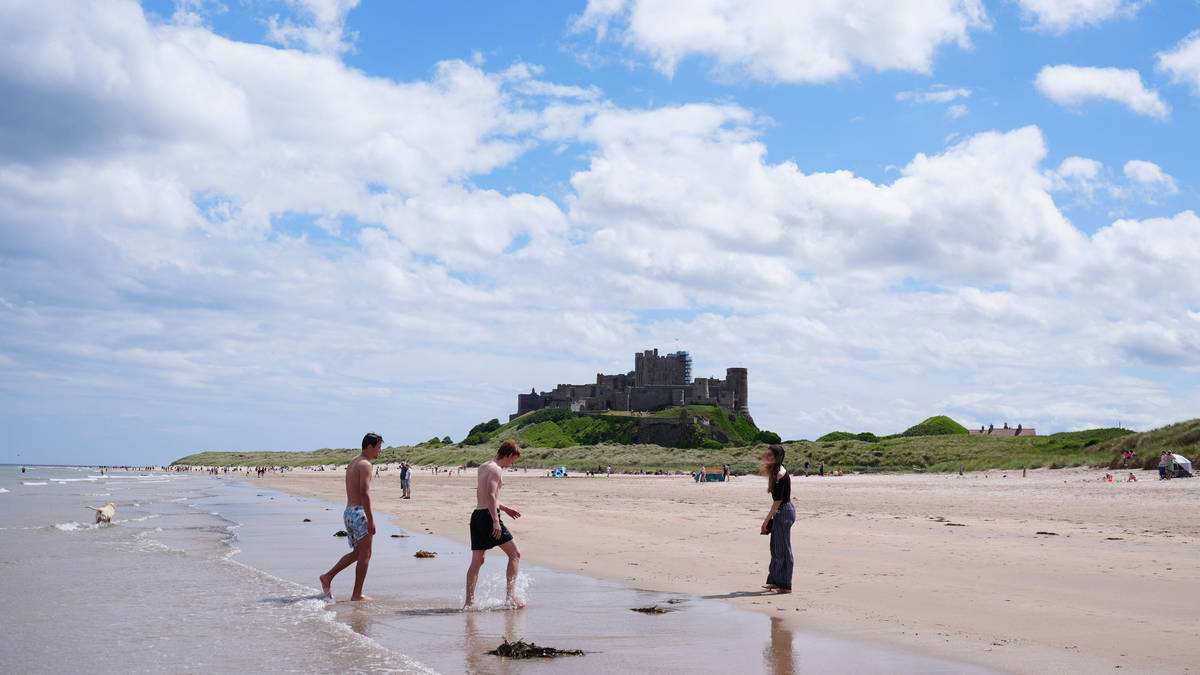
Regional Outlook
While the intensity of the heat is shifting from south-east England towards the Midlands and south-east Wales, the weather remains stifling. A strengthening north-easterly wind is expected to bring a reprieve to areas near the North Sea coast, where highs on Sunday and Monday are forecast to range between 18-21°C. Conversely, western regions of England and Wales are expected to see widespread highs of 26-30°C, with some pockets in south-east Wales and south-west England potentially reaching 31-33°C.
The Met Office notes that while temperatures will ease from their recent peak, many southern and western areas will remain above their respective heatwave thresholds. Forecasts suggest a potential for isolated thunderstorms in the south from Monday, though widespread or meaningful rainfall remains unlikely. Looking further ahead, high pressure is expected to build back across the UK from the Atlantic by the following weekend, which may bring a cooler wind but no significant precipitation.
Infrastructure and Safety Concerns
The combination of persistent high temperatures, lack of rainfall, and strengthening winds has created conditions classified by the Met Office as extreme for wildfires. The National Fire Chiefs Council has issued urgent warnings to the public, stressing that dry conditions mean a single spark can lead to rapid fire spread.
"When the weather stays hot and dry, it only takes one spark to start a wildfire. What can begin as a small fire can spread incredibly quickly, putting people, homes, wildlife and our countryside at risk."
National Fire Chiefs Council spokesperson, via Met Office
Water security has also prompted action from utility providers. More than five million people are now affected by hosepipe bans. Anglian Water introduced restrictions for the East of England beginning at 01:00 BST on Saturday, marking its first such ban in a decade. A ban for one million households supplied by Southern Water in Hampshire and the Isle of Wight is also currently in force, and South East Water has its own restrictions in place. Cambridge Water announced its first hosepipe ban in 30 years.
Outdoor enthusiasts are being urged to exercise caution near water. Paddle UK has warned that offshore winds present a severe risk to paddleboarders, as even a gentle breeze can rapidly sweep individuals away from the shoreline. The organization notes that offshore winds are a primary contributor to emergency rescue callouts.
How significant is this development?
Contribute your assessment to the aggregated reader sentiment ledger.
Frequently Asked Questions
Key questions answered in this reportWhat is the key development in: UK heatwave continues as health alerts remain in place through Sunday?
The UK is experiencing record-breaking temperatures, leading to active heat health alerts and the implementation of hosepipe bans across several regions. Authorities have also issued urgent warnings regarding the extreme risk of wildfires caused by dry conditions.
Why is this Weather development significant for the UK?
This report covers critical events in our Weather beat. Independent reporting monitors related UK statements, regulatory shifts, and public responses as further verified details emerge.
How was this reporting corroborated and verified?
Newsarchy UK compiles and cross-references reporting from primary reporting from bbc.com and cross-checked wire reports. All coverage adheres to published editorial standards.
When was this report published?
This briefing was published on July 11, 2026 and is permanently cataloged in the Newsarchy UK Weather archives.


