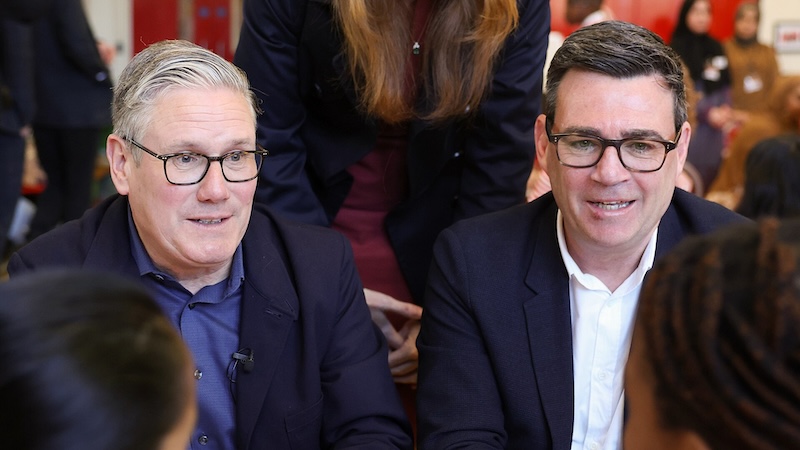
How Burnham used £16k of taxpayers' cash to help buy himself a flat
Renewed questions have emerged regarding Andy Burnham’s past use of parliamentary expenses to acquire a London flat that he continues to own and rent out. Critics argue this history conflicts with his current policy positions on housing and taxation.

- Core Development: Renewed questions have emerged regarding Andy Burnham’s past use of parliamentary expenses to acquire a London flat that he continues to own and rent out. Critics argue this history conflicts with his current policy positions on housing and taxation.
- Beat Context: Categorized under Politics with independent corroboration.
- Reporting Depth: 4 minute analytical read synthesized from verified newsroom sources.
Political scrutiny has intensified around Andy Burnham as details re-emerge regarding his past use of parliamentary expenses to acquire a London property that he continues to own and rent out. The Greater Manchester mayor, who was elected MP for Makerfield last month, faces allegations of hypocrisy from political opponents who argue that his personal financial history sits uncomfortably alongside his current policy positions on housing and taxation.
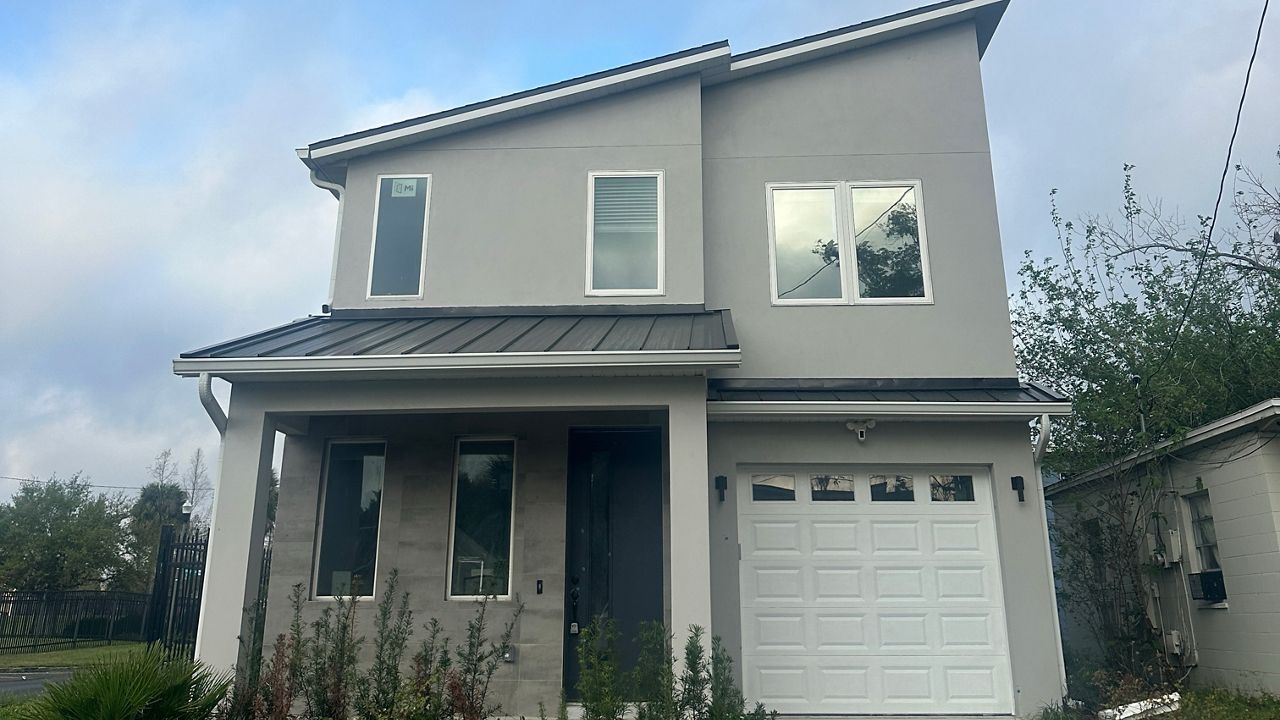
The controversy centres on a two-bedroom flat in Kennington, south London, purchased in 2005 for £215,000. At the time of the acquisition, Mr Burnham was serving as the Labour MP for Leigh. His ability to secure the property was facilitated by an arrangement involving a payout he received after leaving Dolphin Square, a luxury apartment complex near Westminster that was sold that same year. While many other MPs reportedly returned similar windfalls to the parliamentary authorities, Mr Burnham negotiated a deal to apply his £18,200 payout toward his second home allowance.
Media additions
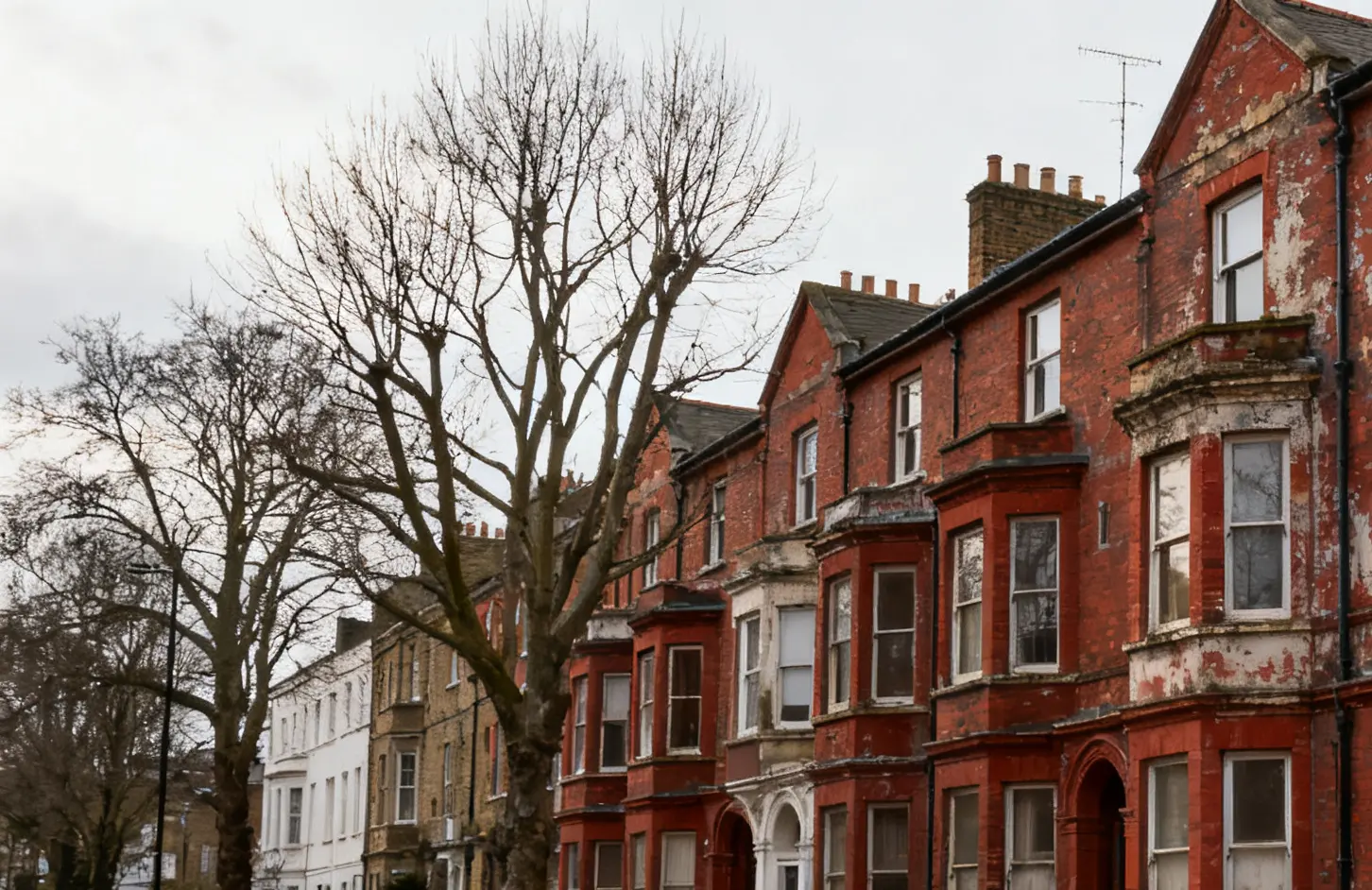
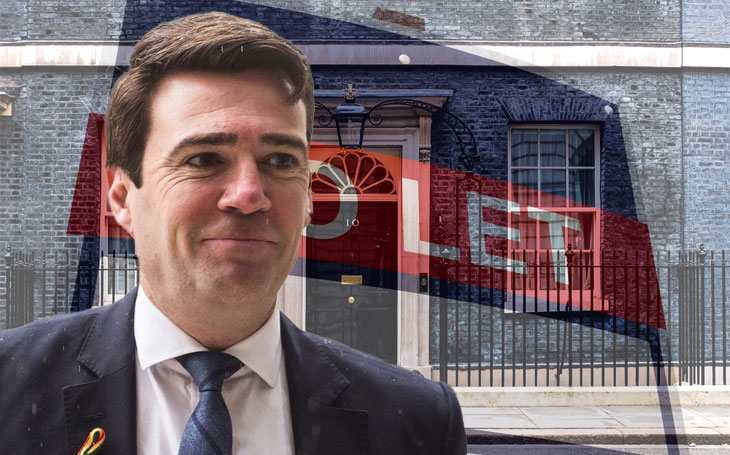
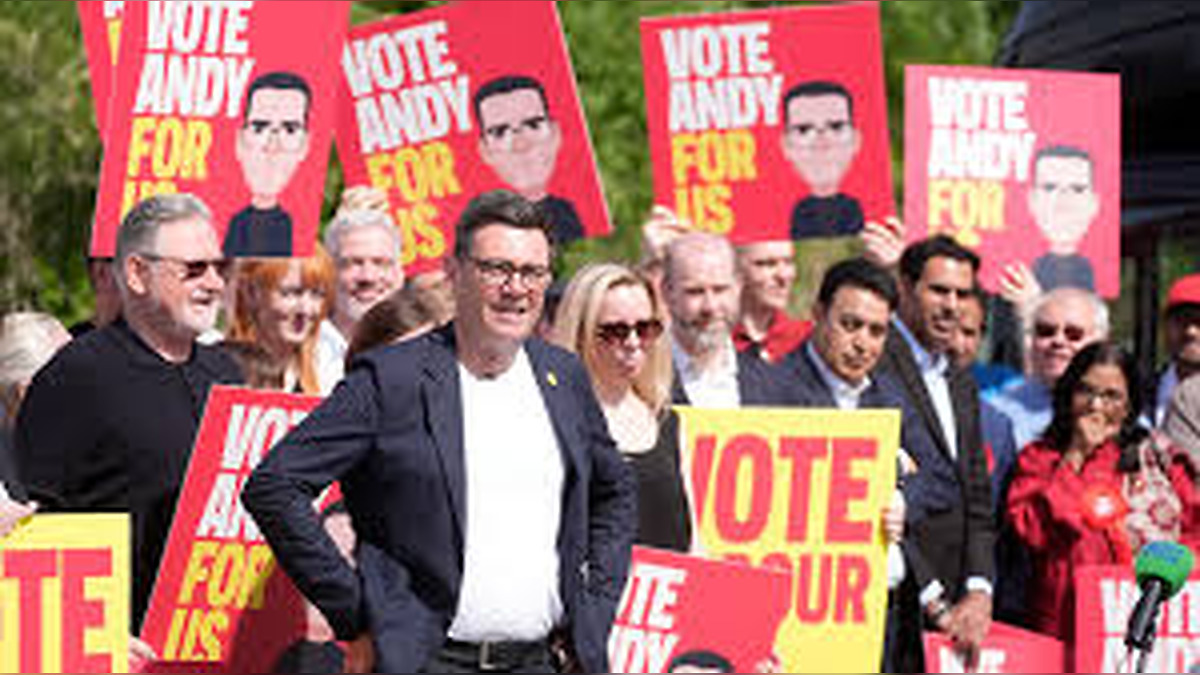
During the 2009 parliamentary expenses scandal, it was revealed that Mr Burnham had submitted an expenses claim for £16,644 to cover the purchase of the flat, including legal fees, stamp duty, and the installation of a new kitchen. By classifying the windfall as a parliamentary expense, critics have pointed out that he avoided potential capital gains tax on the transaction. Mr Burnham has consistently maintained that he followed the rules set out by the Commons Fees Office. At the time of the revelations, he stated:
"It is complete nonsense to suggest that I set out to avoid capital gains tax. My file shows I made arrangements to pay over this money in full to the fees office, and all arrangements were signed off by them. At no stage did I make any personal profit on this transaction."
A spokesperson for Mr Burnham has previously defended the arrangement, arguing that it "enabled him to avoid making claims on expenses and saved thousands of pounds for the taxpayer" and that there was "no personal gain to Mr Burnham." He was not investigated by the Commissioner for Standards regarding this matter, unlike other MPs who were found to have misused similar payouts.
The situation became a point of contention again after the 2009 reforms banned MPs from claiming mortgage interest on second homes. Mr Burnham retained ownership of the Kennington flat, which is now estimated to be valued at approximately £480,000—more than double its purchase price. He later began renting the property out privately while claiming parliamentary expenses for a separate London flat near Westminster, with records indicating he was receiving around £17,000 annually for this purpose by 2015.
Explaining his decision to keep the flat during the 2012 controversy, Mr Burnham noted that the change in expenses rules meant he "could no longer afford" to live there alone, leading him to rent it out rather than sell. However, this history has provided fuel for political opponents, particularly as Mr Burnham advocates for significant market interventions in the housing sector, including the potential suspension of Right to Buy and higher taxes on property. Conservative Party chairman Kevin Hollinrake recently criticised the arrangement, stating:
"The self-styled King of the North, it turns out, has kept a rather comfortable foothold south of the river. Bought thanks to expenses, doubled in value, rented out for profit – despite cries of unfairness against the landlord class he is a part of."
His recent advocacy for increasing Capital Gains Tax has further complicated the narrative for his critics, who highlight the irony of a politician proposing tax hikes while having personally benefited from the avoidance of such levies in his own property dealings.
Timeline of Events
- 2005: Mr Burnham buys a flat in Kennington for £215,000 after receiving a payout from departing Dolphin Square.
- 2009: The parliamentary expenses scandal reveals details of the £16,644 claim used to facilitate the property purchase.
- 2012: Mr Burnham faces criticism for renting out the Kennington property while claiming expenses for a different London residence; he cites affordability for his decision to retain the flat.
- 2015: The housing arrangement resurfaces during his Labour leadership campaign.
- 2026: Renewed scrutiny emerges following reports confirming his status as a landlord and his recent support for potential changes to Capital Gains Tax.
For now, Mr Burnham’s office has declined to comment on the latest wave of criticism, focusing instead on broader policy goals such as the expansion of social housing and increased public control of essential services.
How significant is this development?
Contribute your assessment to the aggregated reader sentiment ledger.
Frequently Asked Questions
Key questions answered in this reportWhat is the key development in: How Burnham used £16k of taxpayers' cash to help buy himself a flat?
Renewed questions have emerged regarding Andy Burnham’s past use of parliamentary expenses to acquire a London flat that he continues to own and rent out. Critics argue this history conflicts with his current policy positions on housing and taxation.
Why is this Politics development significant for the UK?
This report covers critical events in our Politics beat. Independent reporting monitors related UK statements, regulatory shifts, and public responses as further verified details emerge.
How was this reporting corroborated and verified?
Newsarchy UK compiles and cross-references reporting from primary reporting from dailymail.com and cross-checked wire reports. All coverage adheres to published editorial standards.
When was this report published?
This briefing was published on July 1, 2026 and is permanently cataloged in the Newsarchy UK Politics archives.