Strait of Hormuz traffic stalls as US threatens economic pressure on Iran
Commercial transit through the Strait of Hormuz has slowed to a near standstill following recent vessel attacks and a sustained US naval blockade. Widespread economic pressure and new financial measures are being prepared.

- Core Development: Commercial transit through the Strait of Hormuz has slowed to a near standstill following recent vessel attacks and a sustained US naval blockade. Widespread economic pressure and new financial measures are being prepared.
- Beat Context: Categorized under World with independent corroboration.
- Reporting Depth: 4 minute analytical read synthesized from verified newsroom sources.
Transit through the Strait of Hormuz has slowed to a near standstill following fresh ship attacks and a hardening posture from Washington. US officials have signaled that the military can sustain its naval blockade of Iran indefinitely. That development coincides with rising domestic political pressure on the administration as high fuel prices weigh on public approval ratings ahead of midterm elections.
The disruption follows a breakdown in the ceasefire arrangements that had previously paused hostilities. According to reports from the Canberra Times, two vessels belonging to the Abu Dhabi National Oil Company were attacked while transiting the vital waterway. The UAE government laid the blame for the incident directly on Iran, which offered no immediate comment on the accusation.
Media additions
Shipping activity through the narrow corridor remains severely depressed compared to pre-war volumes. Data from ship-tracking firm Kpler recorded just a small handful of transits, including a grain ship heading into Iranian waters, an empty dry bulk vessel moving in the opposite direction, and an empty liquefied petroleum products tanker entering the Gulf. No crude oil shipments were visible through the strait, marking a dramatic drop from the daily traffic recorded before the war began.
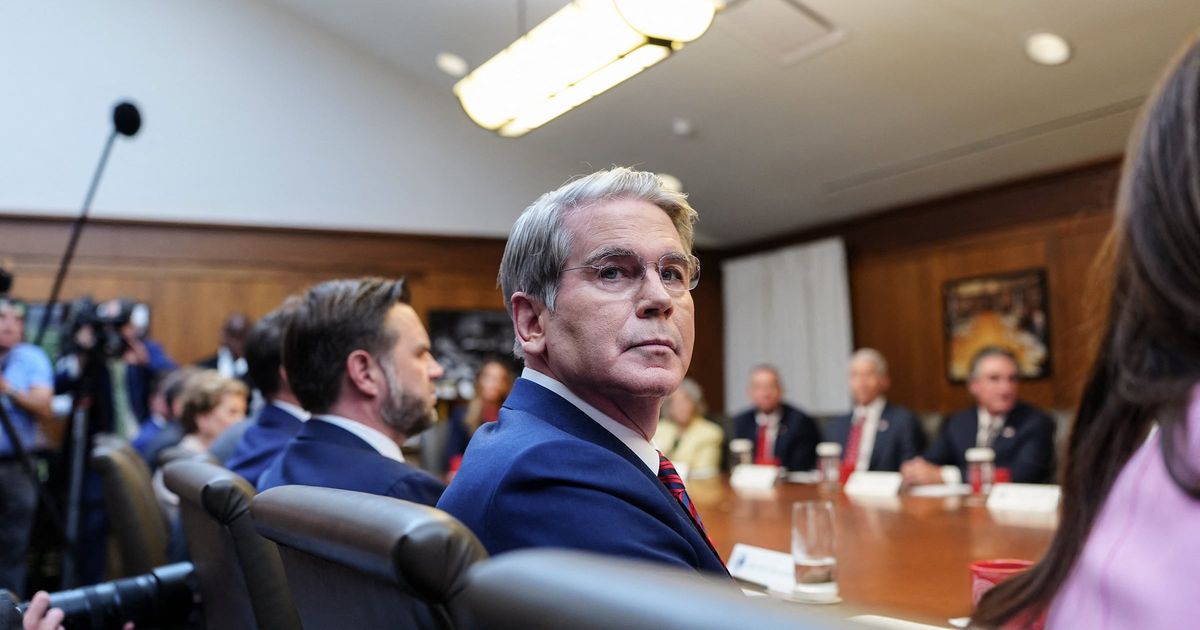
US Defence Secretary Pete Hegseth defended the longevity of the military operations during a trip to Panama, stating that the Navy possesses the capability to maintain the blockade by rotating ships in and out of the region. Meanwhile, Treasury Secretary Scott Bessent announced that the administration is preparing unprecedented financial measures against Tehran.
"Watch this space for more announcements coming next week because we are going to apply measures like have never been seen in the history of economic isolation on a country,"
Scott Bessent, US Treasury Secretary, via Canberra Times
Those financial threats have been met with skepticism by outside observers and analysts who note that Iran is already subjected to thousands of existing sanctions and a strict naval blockade. Bloomberg Economics analyst Chris Kennedy noted that unless the administration decides to prioritize the Iranian threat above all other foreign policy concerns — particularly relations with China — additional actions are unlikely to materially alter Tehran's strategic calculus.
The potential economic levers available to the Treasury Department carry significant risks and diplomatic trade-offs:
- Targeting Chinese Purchases: China buys the vast majority of Iranian oil exports, relying on smaller teapot refineries and intermediaries. Penalizing those buyers could directly cut Tehran's revenues, but it risks major friction with Beijing and could push already elevated global oil prices even higher by removing discounted barrels from the market.
- Cracking Down on Exchange Houses: Financial intermediaries in countries like the United Arab Emirates help convert Iranian oil payments, often made in Chinese yuan, into usable currency. While sanctioning these houses targets a known vulnerability, Iran has spent years developing alternative financial channels and digital assets to bypass formal systems.
- Secondary Sanctions: Washington could threaten penalties on any entity doing business with Iran, forcing foreign banks and companies to choose between the Iranian market and the US financial system. This approach could exert leverage over regional partners such as Turkey, though President Donald Trump has previously stopped short of following through on similar tariff threats.
- Asset Confiscation: The US could attempt to seize Iranian government assets under domestic jurisdiction, mirroring steps taken by the Bush administration in Iraq. However, the pool of reachable assets is limited, and most overseas wealth is held in third countries requiring foreign cooperation.
Despite the economic pressure, a senior Iranian source reported that diplomatic talks aimed at building on a previous agreement have made no progress. Iran maintains that it will not permit commercial shipping to resume through the strait until its core demands are met, including the complete lifting of economic sanctions and the release of frozen assets. Global economists continue to warn that a prolonged blockade risks dampening international growth and potentially tipping regional economies into recession.
What to watch next
Expect further announcements from the US Treasury Department regarding the planned financial measures. Observers will also monitor whether the administration implements secondary sanctions that could impact major trading partners like China and Turkey, as well as any developments in regional security following recent drone activity attributed to Yemen's Houthis.
For related developments, consult our World coverage.
How significant is this development?
Contribute your assessment to the aggregated reader sentiment ledger.
Frequently Asked Questions
Key questions answered in this reportWhat is the key development in: Strait of Hormuz traffic stalls as US threatens economic pressure on Iran?
Commercial transit through the Strait of Hormuz has slowed to a near standstill following recent vessel attacks and a sustained US naval blockade. Widespread economic pressure and new financial measures are being prepared.
Why is this World development significant for the UK?
This report covers critical events in our World beat. Independent reporting monitors related UK statements, regulatory shifts, and public responses as further verified details emerge.
How was this reporting corroborated and verified?
Newsarchy UK compiles and cross-references reporting from primary reporting from spokesman.com and cross-checked wire reports. All coverage adheres to published editorial standards.
When was this report published?
This briefing was published on August 16, 2026 and is permanently cataloged in the Newsarchy UK World archives.