Rachel Reeves confirms annual mileage checks for electric vehicle tax
The government is introducing a new Vehicle Excise Duty for electric vehicles to address fuel duty revenue losses as drivers transition from petrol and diesel. Motorists will pay based on estimated annual mileage, which will be verified against records from annual MOT tests.

- Core Development: The government is introducing a new Vehicle Excise Duty for electric vehicles to address fuel duty revenue losses as drivers transition from petrol and diesel. Motorists will pay based on estimated annual mileage, which will be verified against records from annual MOT tests.
- Beat Context: Categorized under Politics with independent corroboration.
- Reporting Depth: 3 minute analytical read synthesized from verified newsroom sources.
The scheme, officially titled electric Vehicle Excise Duty (eVED), will sit alongside the existing vehicle excise duty (VED) and is intended to plug the shortfall created as drivers move away from petrol and diesel engines.
How the eVED works
Motorists will be required to estimate the miles they expect to drive at the start of each licensing year. That figure will be cross‑checked against the odometer reading recorded at the annual MOT test. If the actual mileage exceeds the estimate, the driver must pay the difference; if it falls short, a credit will be carried forward to the next year.
Media additions
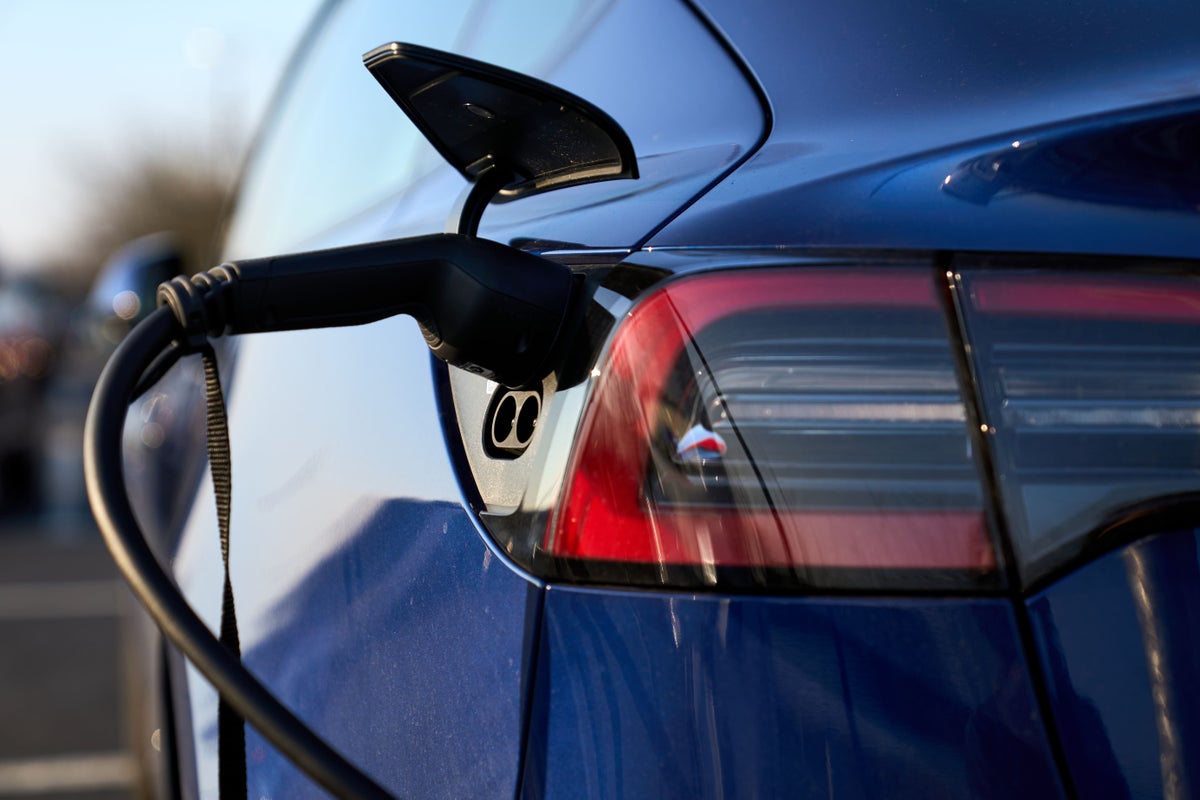


For vehicles less than three years old – which currently do not need an MOT – the government has decided not to impose a separate mileage‑verification appointment, aiming to keep the burden low for owners and businesses. Nevertheless, the Driver and Vehicle Licensing Agency (DVLA) retains the power to request an official mileage check at any time if “reasonable suspicion of fraud or non‑compliance” arises.
“Mileage verification for vehicles subject to MOT testing will be undertaken through the existing MOT network. It is also expected that the small number of additional ad‑hoc checks required will be conducted through this network.”
Report excerpt, Treasury consultation
Rate cards and what drivers could pay
- Electric cars: 3 p per mile
- Plug‑in hybrids: 1.5 p per mile
Different outlets have illustrated how the rates translate into annual bills:
- Birmingham Mail notes that the UK’s average driver covers about 8,000 miles a year, which would generate a charge of £240 for a fully electric vehicle.
- Birmingham Live calculates that a driver doing 5,000 miles would owe £150.
- ChronicleLive points out that a motorist travelling 10,000 miles could face an additional £300 each year.
- Carwow repeats the 8,000‑mile example, confirming a £240 bill for an EV and a £120 bill for a plug‑in hybrid at the same mileage.
Political backlash and defending the policy
“Britain cannot afford a spineless government that, rather than standing up to its own backbenchers to stop the exponential growth in welfare payments, instead treats motorists as a cash machine to plug the holes Rachel Reeves and Sir Keir Starmer are creating.”
Richard Holden, Conservatives
He added that “Families are not an ATM for Rachel Reeves, yet under Labour, everyone who relies on a vehicle is being lined up for another shakedown.”
The AA’s president, Edmund King, warned that the levy could be perceived as a “poll tax on wheels”.
“Whilst we acknowledge the Treasury is losing fuel duty revenue as drivers go electric, the government has to tread carefully unless their actions slow down the transition to EVs.”
Edmund King, AA
Simon England, founder of ALA Insurance, echoed the concern, arguing that the new charge could become a legitimate barrier to adoption:
“Drivers are being encouraged to switch to electric cars ahead of the 2030 ban on ICE vehicles but financial incentives are quickly disappearing. If EV drivers are expected to pay the same, or more, than petrol and diesel drivers, then that’s a legitimate barrier that will deter thousands of road users from switching.”
Simon England, ALA Insurance
Industry commentary and cost‑benefit analysis
Financial adviser Chris Ball of Hoxton Wealth urged owners to plan ahead:
“Drivers should start factoring this into their motoring budgets.”
Chris Ball, Hoxton Wealth
Ball added that “Plan by setting aside money each month, monitoring mileage, and reviewing total vehicle costs will be key.”
The Energy and Climate Intelligence Unit (ECIU) released modelling that suggests, even with the 3 p‑per‑mile levy, electric cars would still be around £1,000 cheaper to run each year than comparable petrol models. Colin Walker, head of transport at the ECIU, cautioned that the announcement arrives “shortly after the government gave in to industry lobbying by weakening its EV sales targets”, a move that could push more hybrids – which burn “five times more fuel than their manufacturers claim” – onto the road.
Policy context and timeline
How significant is this development?
Contribute your assessment to the aggregated reader sentiment ledger.
Frequently Asked Questions
Key questions answered in this reportWhat is the key development in: Rachel Reeves confirms annual mileage checks for electric vehicle tax?
The government is introducing a new Vehicle Excise Duty for electric vehicles to address fuel duty revenue losses as drivers transition from petrol and diesel. Motorists will pay based on estimated annual mileage, which will be verified against records from annual MOT tests.
Why is this Politics development significant for the UK?
This report covers critical events in our Politics beat. Independent reporting monitors related UK statements, regulatory shifts, and public responses as further verified details emerge.
How was this reporting corroborated and verified?
Newsarchy UK compiles and cross-references reporting from primary reporting from express.co.uk and cross-checked wire reports. All coverage adheres to published editorial standards.
When was this report published?
This briefing was published on July 16, 2026 and is permanently cataloged in the Newsarchy UK Politics archives.