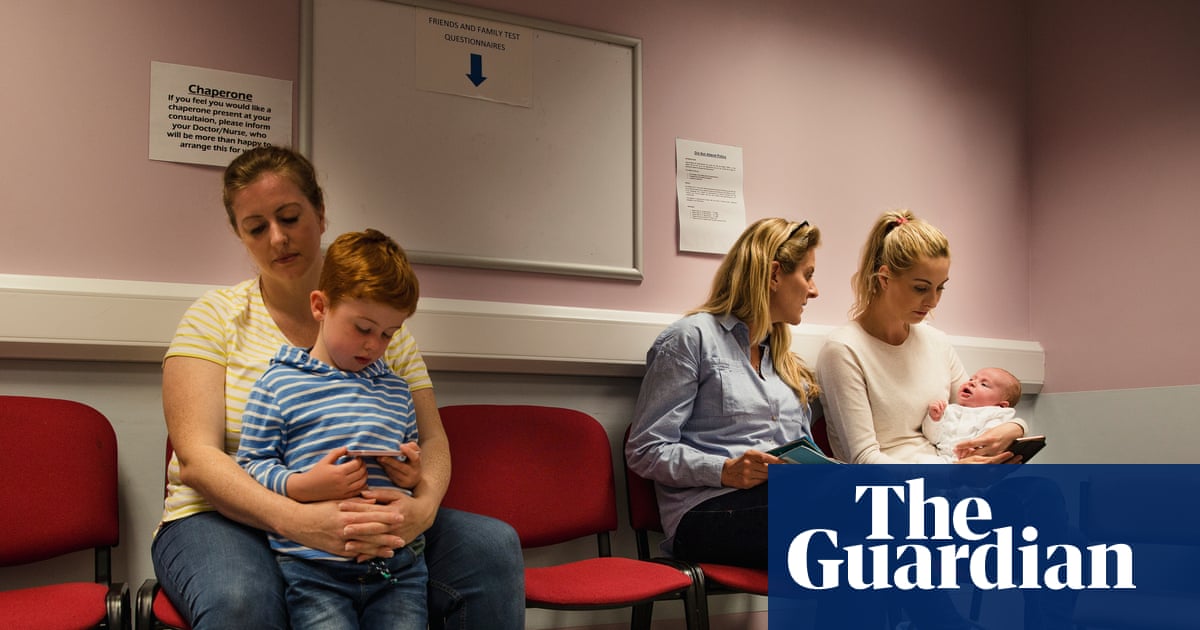
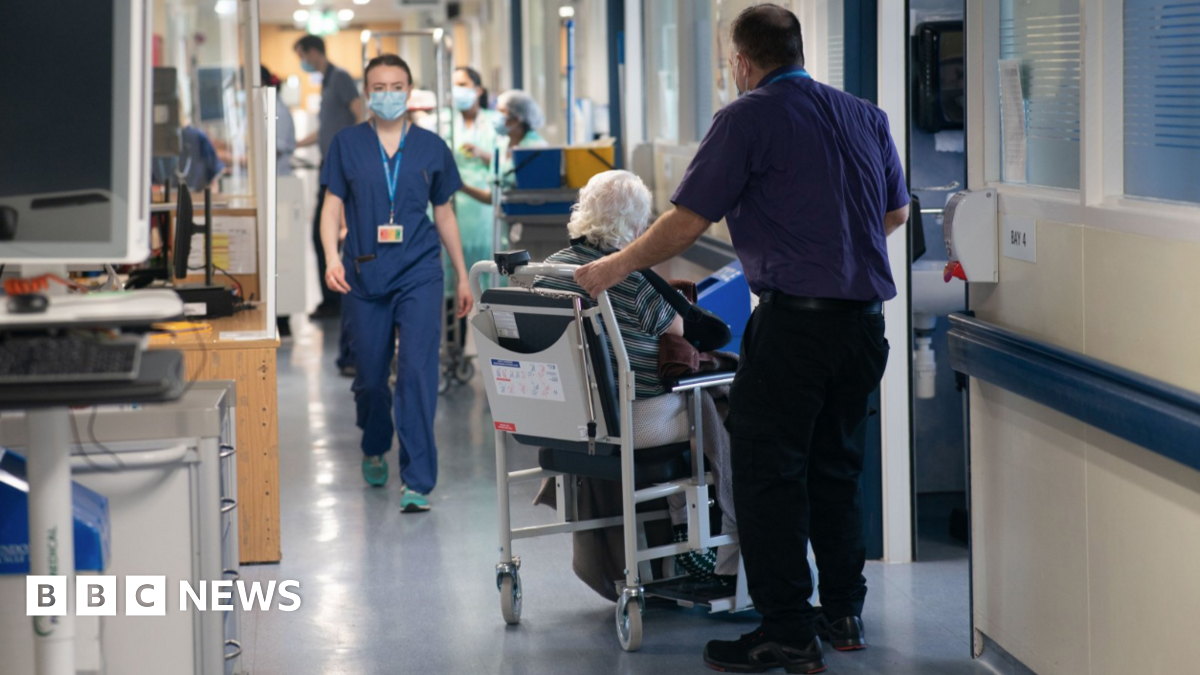
NHS England finds almost half of waiting‑list patients still unseen
Data suggests 2.99 million patients remain in an invisible backlog, having never seen a clinician since their GP referral. These delays complicate efforts to meet the 18-week treatment target.
- Core Development: Data suggests 2.99 million patients remain in an invisible backlog, having never seen a clinician since their GP referral. These delays complicate efforts to meet the 18-week treatment target.
- Beat Context: Categorized under NHS with independent corroboration.
- Reporting Depth: 4 minute analytical read synthesized from verified newsroom sources.
New analysis by health‑data firm MBI Health shows that almost half of the patients on NHS England’s elective waiting list have never been seen by a clinician, a finding that throws fresh light on why the 18‑week target is still out of reach.
Why the “unseen” cohort matters now
Official NHS England figures released at the end of May estimated 7.36 million treatments were waiting to be carried out at the end of May, relating to just under 6.23 million patients – with the analysis from MBI Health suggesting almost half of those have been left in limbo. MBI’s breakdown suggests 2.99 million of those patients have not had a first specialist appointment or diagnostic test since their GP referral.
Media additions

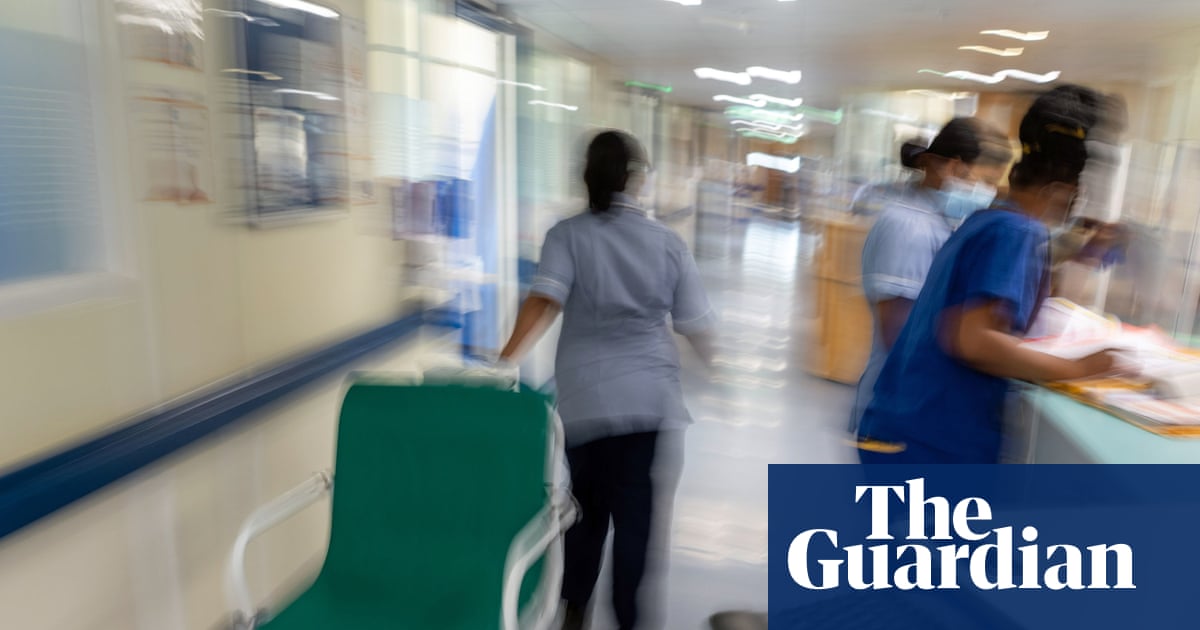

The scale of the “frontlog”, as MBI calls it, matters because the first clinical contact is the gateway to diagnosis, treatment and, ultimately, relief for patients. Delays at this stage can push conditions to a more severe stage, increase emergency department pressure and threaten the government’s 2029 pledge to treat 92% of patients within 18 weeks.
What the data reveal
MBI’s analysis, shared with The Guardian, found that around 70% of referral‑to‑treatment pathways fall into the “unseen” category. The specialties with the greatest numbers of unseen patients are ear, nose and throat (ENT), trauma and orthopaedics, gastroenterology, ophthalmology and gynaecology and obstetrics.
One million of the unseen patients have already exceeded the 18‑week threshold, meaning they have been waiting for care for more than four months without any clinical assessment.
“If accurate, three million people are trapped in an invisible waiting list crisis, stuck without basic diagnostic tests of first appointments while their conditions worsen,”
Rachel Power, chief executive of the Patients Association, via The Guardian
Rachel Power added that the situation “isn’t just statistics. They’re people checking their phones daily for hospital calls that never come, unable to plan their lives while their symptoms deteriorate.”
Official response and broader context
NHS England acknowledged the depth of the frontlog. It highlighted that 4.7 million of the 7.3 million treatments pending are for patients who have not yet received a first consultation or diagnostic test, and that 1.6 million of those have already passed the 18‑week mark.
Stella Vig, NHS National Clinical Director for Elective Care, said the new breakdowns by age, ethnicity and deprivation are intended to help trusts pinpoint where “unfair variation in waiting times” exists.
“Understanding patient demographics is vital if we are to identify and tackle the way different groups are treated,”
Stella Vig, NHS National Clinical Director for Elective Care, via NHS England
The data also echo concerns raised by the British Medical Association, which has warned that the backlog in secondary care, aggravated by pandemic‑era capacity loss and workforce shortages, will take years to clear.
Political reactions vary. Liberal Democrat health spokesperson Alison Bennett described the figures as “harrowing” and a “direct result of the Conservative party mismanaging our NHS for years.” The Department of Health and Social Care, while not commenting on the unseen patients specifically, highlighted recent achievements: a reduction of over 260,000 waiting‑list entries since July 2024, delivery of 4.6 million extra elective appointments and over 6.5 million additional diagnostic tests.
“Thanks to this government’s record investment, reforms and the hard work of NHS staff, we’ve cut the waiting list by over 260,000 since July 2024,”
Department of Health and Social Care spokesperson
Who is most affected?
Data published for the first time by NHS England show stark inequalities:
- Patients from the most deprived areas and those of Asian or Asian‑British background are more likely to wait longer than 18 weeks.
- Working‑age adults (19‑64) now make up 56.1% of the waiting list, up from 55.8% a year earlier.
- People under 19 have fallen to 10.8% of the list, while those over 65 remain at roughly 33.1%.
- Working‑age patients are slightly more likely to wait over a year (3.0%) than those over 65 (2.5%).
These trends echo analysis from The Argus, which highlighted the growing share of working‑age patients on the list and the persistent socioeconomic gradient in waiting times.
Implications for patients and the system
The emergence of a huge “invisible” cohort forces a re‑examination of how the NHS counts its backlog. Clinicians such as former president of the Society for Acute Medicine Tim Cooksley argue that continued delays risk pushing patients into emergency care.
“There can be no elective recovery without emergency care recovery. The two are dependent and need a coherent, coordinated approach.”
Tim Cooksley, former president of the Society for Acute Medicine, via The Guardian
Local initiatives highlighted by the NHS England release show promising pilots: Sheffield Children’s NHS Foundation Trust’s AI‑driven attendance model, and Lancashire’s “Set for Surgery” pre‑hab programme, both of which have reduced missed appointments and improved outcomes for deprived patients.
“It will take years to clear the backlog. The ongoing need for stringent infection‑prevention measures and workforce shortages mean it will take even longer.”
British Medical Association analysis, via BMA
How significant is this development?
Contribute your assessment to the aggregated reader sentiment ledger.
Frequently Asked Questions
Key questions answered in this reportWhat is the key development in: NHS England finds almost half of waiting‑list patients still unseen?
Data suggests 2.99 million patients remain in an invisible backlog, having never seen a clinician since their GP referral. These delays complicate efforts to meet the 18-week treatment target.
Why is this NHS development significant for the UK?
This report covers critical events in our NHS beat. Independent reporting monitors related UK statements, regulatory shifts, and public responses as further verified details emerge.
How was this reporting corroborated and verified?
Newsarchy UK compiles and cross-references reporting from primary reporting from theargus.co.uk and cross-checked wire reports. All coverage adheres to published editorial standards.
When was this report published?
This briefing was published on July 8, 2026 and is permanently cataloged in the Newsarchy UK NHS archives.