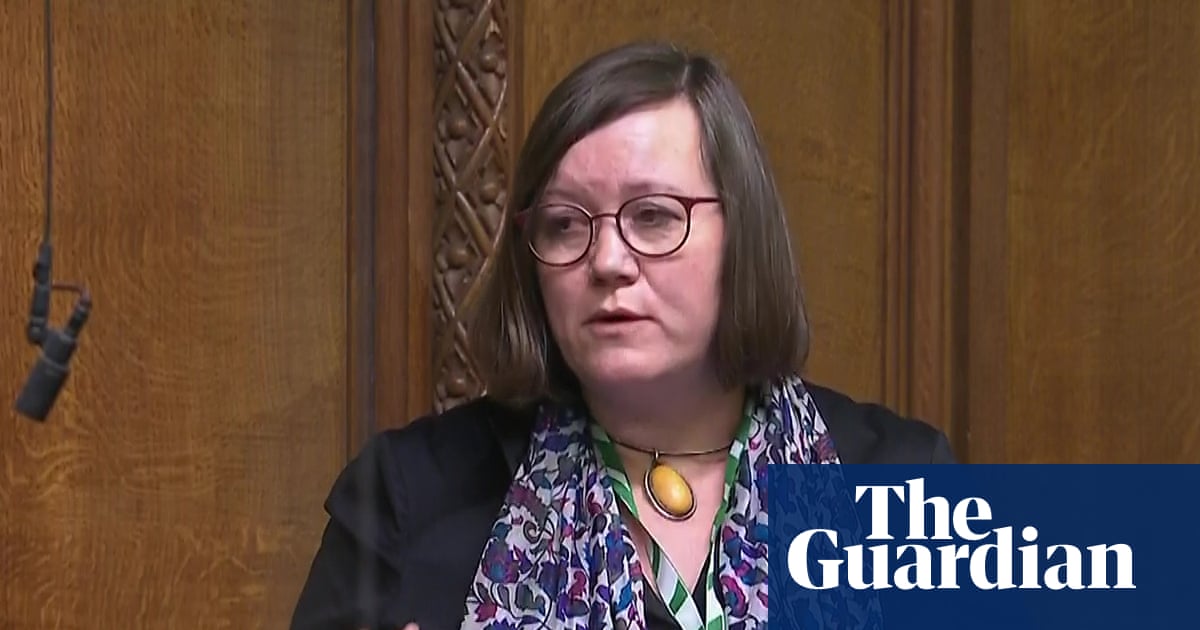
English mayors gain power to impose tourist tax on overnight stays
Mayoral authorities across England are gaining the power to levy an optional tourist tax on overnight stays to fund local services and infrastructure, facing both support from officials and opposition from the hospitality industry.

Mayoral authorities across England are gaining the power to levy an optional tourist tax on overnight stays, allowing regional leaders to raise revenue from visitors to fund local services, infrastructure, and attractions. Announced on Thursday, the policy forms part of a broader government strategy to shift tax-raising powers away from Westminster. According to government figures, only 6 percent of national taxes in the United Kingdom are collected at the local level, placing the nation among the lowest shares across G7 economies. Proponents argue that the measure will help close this gap.
Under the statutory framework, the implementation of the levy is not mandatory. Mayors must first consult local residents and businesses, as well as provide advance notice to accommodation providers. Collection responsibilities fall upon hotels, bed-and-breakfasts, and short-term rental platforms such as Airbnb, which will channel the collected funds directly to the respective mayor’s office. The charge is restricted to a percentage of the room rate rather than a flat fee, and mayors are prohibited from varying the rate seasonally or by the type of stay.
Media additions
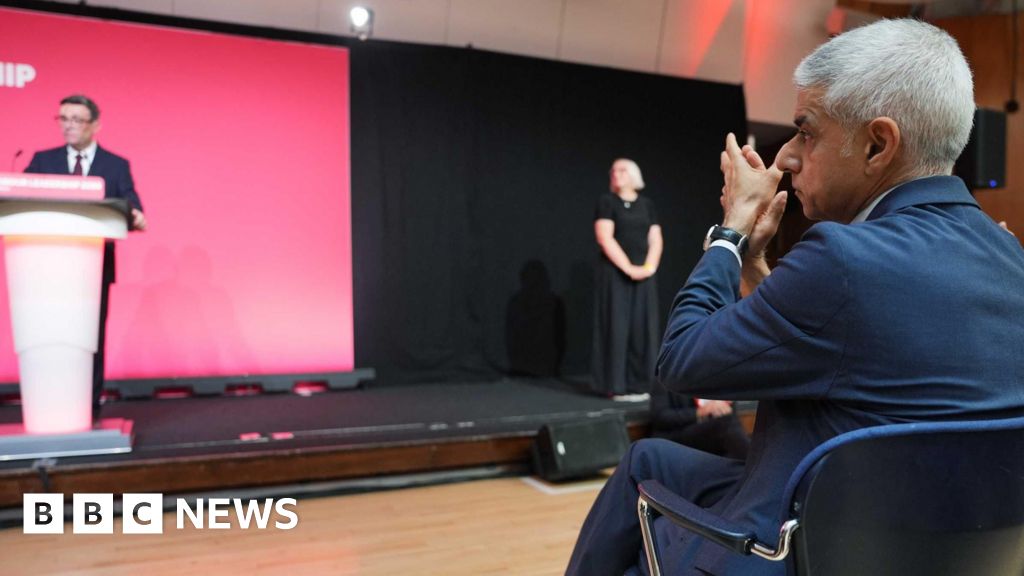


National exemptions apply to charities, refuges, and registered Romani and traveler camps. Individual mayors also retain the discretion to introduce a small number of further local exemptions, such as campsites. Reaction from regional leaders has been swift. Sadiq Khan, the mayor of London, welcomed the announcement and stated that he wants to move quickly.
"A well-designed, modest levy has the potential to provide an important additional source of funding to support growth, strengthen London’s offer to visitors and help us remain globally competitive,"
Sadiq Khan, Mayor of London, via Courthouse News
Support for the measure extends beyond executive offices. Andrew Carter, chief executive of the Centre for Cities, described the policy as a milestone for local government autonomy, emphasizing that regional leaders are best positioned to understand their local needs. Organizations such as the Friends of the Lake District also backed the plan to protect popular landscapes. Secretary of State for Housing, Communities and Local Government Angela Rayner defended the flexibility provided to regional leaders.
"This measure will give mayors the choice to raise and reinvest funding where it’s needed most,"
Angela Rayner, Secretary of State for Housing, Communities and Local Government, via Courthouse News
Conversely, the hospitality industry has mounted strong opposition. Allen Simpson, chief executive of trade group UK Hospitality, criticized the lack of a statutory cap on the levy, contrasting it with systems in cities like Paris, Rome, and Berlin. Citing independent economic analysis by Oxford Economics, Simpson warned that a 5% levy could cost 33,000 jobs and add up to £120 to a family holiday during an employment crisis. ABTA, representing tour companies and travel agents, echoed these concerns, cautioning that the visitor tax would damage the travel industry.
Political opposition has mirrored these industry warnings. Conservative Party leader Kemi Badenoch argued that increased taxation reduces employment rather than creating it, stating that taxing does not create jobs. Shadow Chancellor Andrew Griffith accused the government of attempting to prop up local town hall finances at the expense of young workers in the tourism industry, warning that the policy would be hugely limiting for the chances of young people employed in the sector.
International and domestic comparisons highlight differing approaches across the British Isles. Scotland already operates a tourist tax, with Edinburgh becoming the first UK city to charge visitors by adding 5% to overnight stays in July, while Glasgow and Aberdeen have voted to follow. Wales plans to introduce a flat nightly charge starting from April 2027. France, Italy, and various U.S. Cities including New York and Miami also charge similar occupancy taxes.
Legislation to enact the tourist tax powers is expected to be introduced during the current session of Parliament. If approved, regional leaders could begin setting out their respective spending plans by March 2028, setting the stage for a new era of locally managed tourism funding across England.