Assisted dying bill risks constitutional showdown if forced through Commons
The assisted dying bill has returned to Parliament under Labour MP Lauren Edwards, triggering warnings of a major constitutional crisis if forced through the Commons.
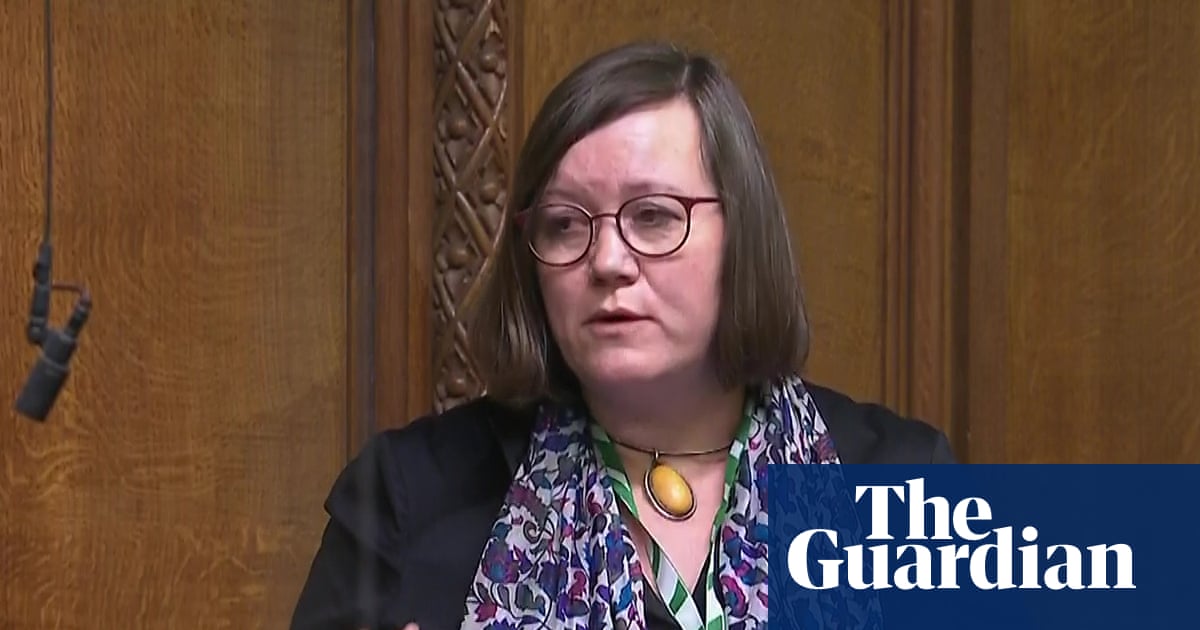
Labour MP Lauren Edwards has revived the Terminally Ill Adults (End of Life) Bill as a private member's bill.
The core dispute centers on whether a major social reform should be forced into law using a blunt legislative instrument without allowing the upper house to complete its scrutiny. Writing in a joint warning before the vote, Labour MPs Gareth Snell — who supports the principle — and Meg Hillier, who opposes it, argued that colleagues faced an untenable ultimatum. According to The Guardian, the pair cautioned that overriding the Lords via the Parliament Act would provoke a constitutional showdown with far‑reaching consequences, stripping away any possibility of practical amendments from medical, legal, and hospice bodies.
Media additions


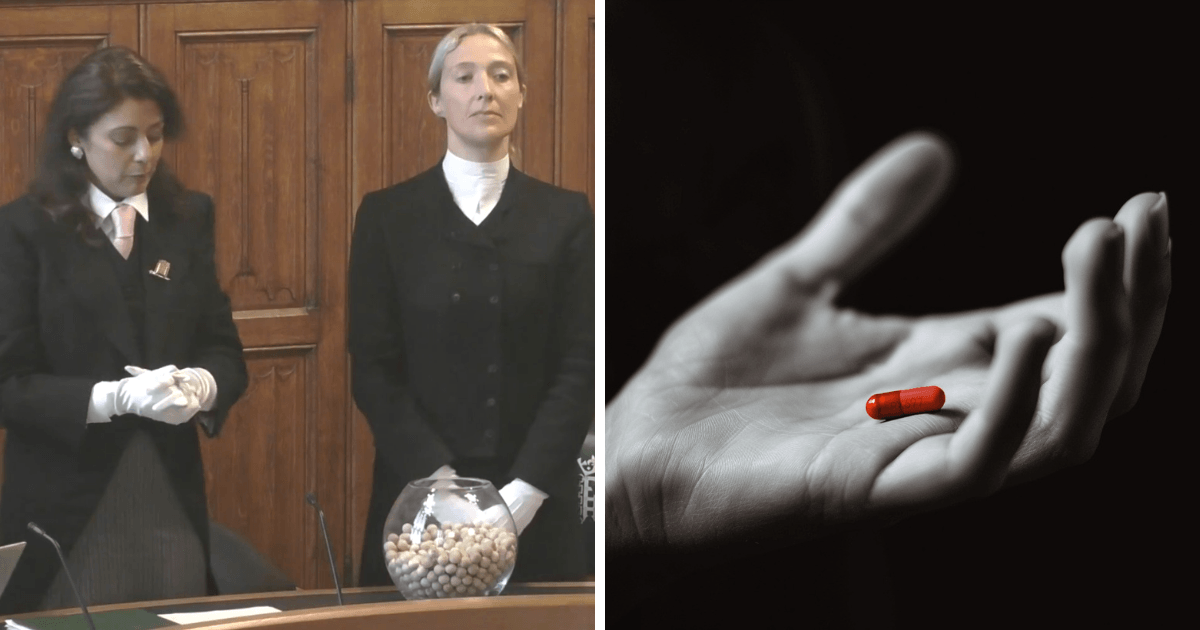
The legislation proposes allowing adults with a terminal illness and less than six months to live to end their lives, subject to approval. However, the attempt to resurrect the exact text passed previously means supporters must bypass normal alteration stages to preserve the override mechanism. The Hansard Society notes that while an identical text is normally required to trigger the 1911 statute, a little‑known "suggested amendments" process exists. This mechanism allows the Commons to formally propose changes for the Lords to consider in a separate document without breaking the identical bill requirement. Yet, experts emphasize that government intervention and timetable allocation are prerequisites for this pathway to function.
Opposition to the revived text remains fierce among disability rights campaigners, medical professionals, and welfare advocates. According to Disability News Service, organizations such as Not Dead Yet UK, Disabled People Against Cuts, and Disability Rights UK have condemned the move. Activists argue that systemic crises in social care, underfunded palliative services, and a severe postcode lottery for end‑of‑life support must be resolved before Westminster considers legalizing medical assistance to die. Several MPs, including former shadow minister Vicky Foxcroft and backbencher Ashley Dalton, voiced deep dismay, questioning how many vulnerable individuals might feel coerced by poverty or fear of being a burden.
| Legislative Milestone / Context | Details & Figures | Source Attribution |
|---|---|---|
| Public Polling on Identical Return | Only 29% of the public support introducing an identical bill immediately. | Right To Life UK |
| Lords Delay Tactics | More than 1,000 amendments were tabled, causing the bill to run out of time. | The Guardian / Nation.Cymru |
Proponents maintain that the democratic mandate established by the elected chamber must be respected. Campaign groups like Dignity in Dying released high‑profile advocacy material featuring terminally ill individuals who argue that a minority of unelected peers unfairly frustrated the public will. Supporters insist that parliamentary delay tactics amounted to a filibuster designed to kill reform without a substantive vote in the upper house.