Keir Starmer apologises for historical forced adoptions in England and Wales
Sir Keir Starmer has delivered a historic apology for the state-sanctioned forced removal of children from unmarried mothers in England and Wales. The government has pledged a £4 million support package to assist survivors with record access, family reunion services, and mental health counseling.
- Core Development: Sir Keir Starmer has delivered a historic apology for the state-sanctioned forced removal of children from unmarried mothers in England and Wales. The government has pledged a £4 million support package to assist survivors with record access, family reunion services, and mental health counseling.
- Beat Context: Categorized under Politics with independent corroboration.
- Reporting Depth: 3 minute analytical read synthesized from verified newsroom sources.
Prime Minister Sir Keir Starmer has issued a formal apology on behalf of the British state for the historical practice of forced adoptions in England and Wales. Addressing the House of Commons on Thursday, 2 July 2026, the Prime Minister described the state-sanctioned removal of children from unmarried mothers during the mid-20th century as a stain on our history
.
The apology marks the first official admission of wrongdoing by the Westminster government, following years of pressure from campaigners, survivors, and parliamentary inquiries. Estimates suggest that approximately 185,000 babies were removed from their mothers between 1949 and 1976. Sir Keir acknowledged that these actions were not accidental but were practices embedded within systems across local authorities, across voluntary and faith-based institutions, and in health and social care services, including parts of what is now the NHS
.
Media additions


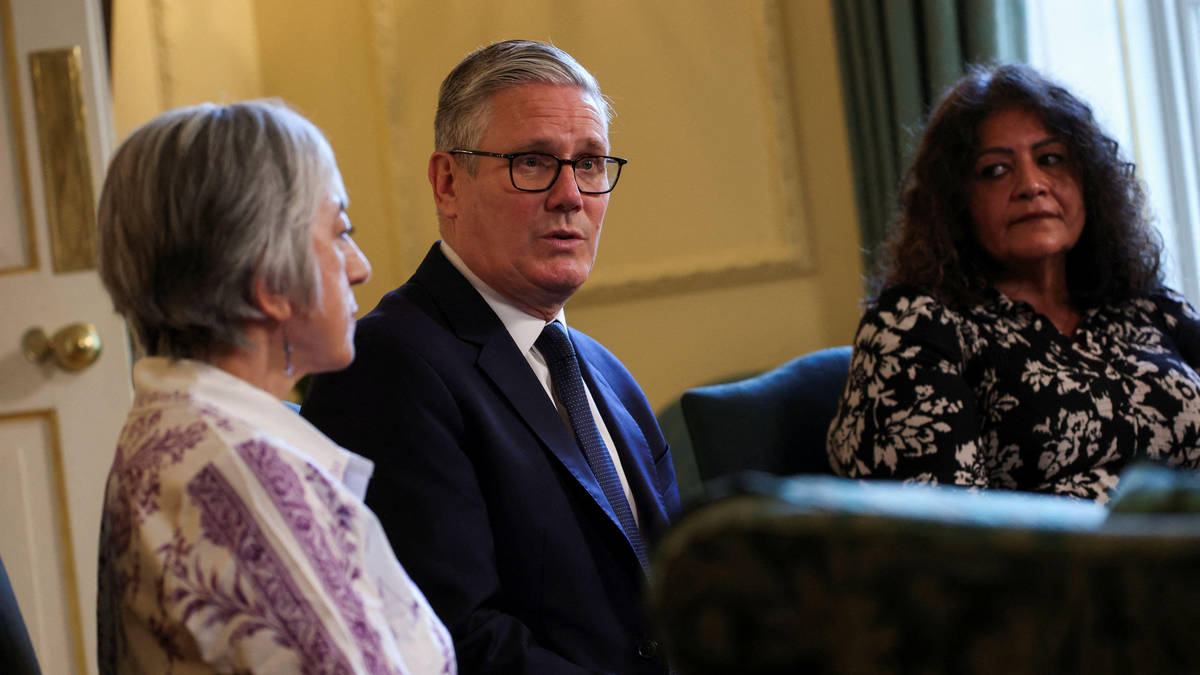
A Long-Awaited Recognition
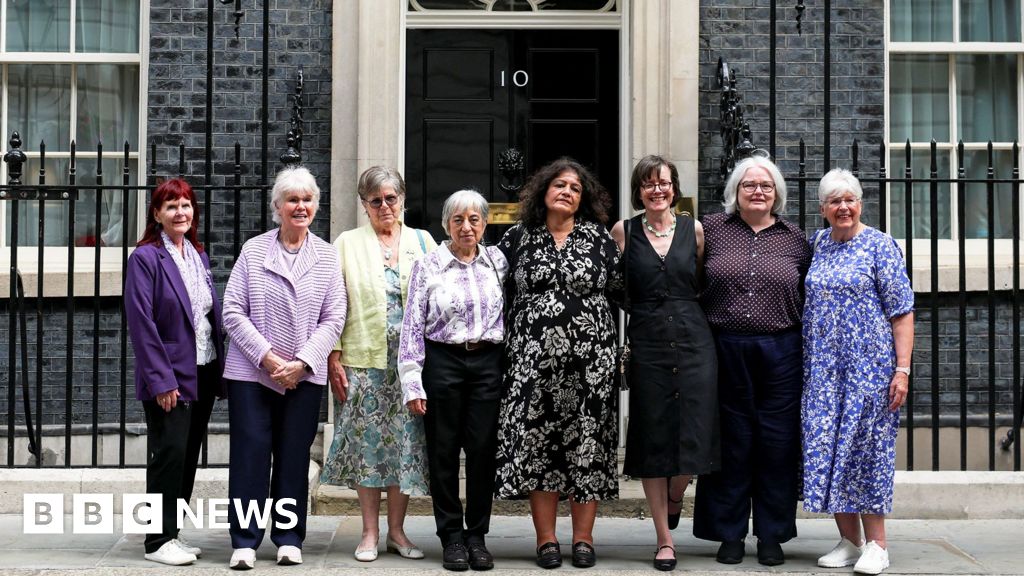
The Prime Minister’s statement followed a meeting with victims at Downing Street, where he told survivors that they had endured a double injustice
by having to wait decades for state recognition. During his address to Parliament, he offered a direct message to those affected:
"The shame is not yours. The shame was never yours. The shame is ours."
Keir Starmer, Prime Minister, via BBC
The emotional weight of the proceedings was evident in the public gallery, where birth mothers and adoptees were seen wiping away tears. Fellow MP Tracy Gilbert, who was adopted in 1972, also spoke in the chamber, reflecting on the lingering pain experienced by many adopted individuals who grew up under the false narrative that they had been saved
rather than forcibly separated.
Timeline of Official Responses
- 2021: Following reports on mother and baby homes, calls for formal inquiries gain momentum across the UK.
- 2022: The Joint Committee on Human Rights recommends a formal state apology.
- 2023: The Scottish and Welsh governments issue formal apologies; the then-Conservative government in Westminster declines to do so, stating the state did not actively support the practices.
- June 2026: The Church of England issues its own formal apology for its role in the scandal.
- 2 July 2026: Sir Keir Starmer delivers the first formal Westminster government apology.
The Debate Over Redress
While the apology has been welcomed by advocacy groups such as the Movement for an Adoption Apology, it remains a point of contention that no financial compensation scheme has been established. Instead, the government has announced a £4 million, three-year support package. This funding is intended to provide better access to adoption records, support for family reunion services, and mental health counseling through the NHS.
Campaigners and legal representatives have voiced concern that these measures, while necessary, do not go far enough. Patrick McGuire, a senior partner with Thompsons Solicitors Scotland, argued that fine words from both governments is no substitute for fast and effective action
. He suggested that victims require a comprehensive compensation scheme modeled on provisions established for other state-failure scandals, such as those affected by infected blood.
A UK Government spokesperson clarified that the £4 million package was developed in direct consultation with campaign groups to address their immediate priorities, such as record access and family reconnection, rather than serving as direct financial redress.
What Happens Next
- Record Access: The government will launch a national online resource to serve as a single access point for historical records. The Education Secretary is instructing local authorities and adoption agencies to respond to record requests with greater urgency and transparency.
- Testimonials Project: A new project will be commissioned to gather and preserve the stories of those impacted by historical forced adoption practices.
- Clinical Support: New training is planned for clinicians to better understand the long-term trauma associated with forced adoption.
- Northern Ireland: An official apology is still expected in Northern Ireland, though it is contingent upon the conclusion of a broader public inquiry into historical institutional abuses.
For many survivors, the apology represents a fundamental shift in the national narrative. As members of the Adult Adoptee Movement stated, the true measure of the government’s commitment will now be the speed and effectiveness with which these promises are translated into tangible support.
How significant is this development?
Contribute your assessment to the aggregated reader sentiment ledger.
Frequently Asked Questions
Key questions answered in this reportWhat is the key development in: Keir Starmer apologises for historical forced adoptions in England and Wales?
Sir Keir Starmer has delivered a historic apology for the state-sanctioned forced removal of children from unmarried mothers in England and Wales. The government has pledged a £4 million support package to assist survivors with record access, family reunion services, and mental health counseling.
Why is this Politics development significant for the UK?
This report covers critical events in our Politics beat. Independent reporting monitors related UK statements, regulatory shifts, and public responses as further verified details emerge.
How was this reporting corroborated and verified?
Newsarchy UK compiles and cross-references reporting from primary reporting from dailymail.com and cross-checked wire reports. All coverage adheres to published editorial standards.
When was this report published?
This briefing was published on July 3, 2026 and is permanently cataloged in the Newsarchy UK Politics archives.