UK Labour government maintains executive authority under Prime Minister Starmer
The Labour government balances domestic policy and the implementation of the Online Safety Act with international engagement regarding the crisis in Sudan.
- Core Development: The Labour government balances domestic policy and the implementation of the Online Safety Act with international engagement regarding the crisis in Sudan.
- Beat Context: Categorized under Politics with independent corroboration.
- Reporting Depth: 4 minute analytical read synthesized from verified newsroom sources.
Executive Authority and Prime Ministership
The United Kingdom’s central executive remains anchored in the constitutional conventions described in the national encyclopedia. Executive power formally belongs to the monarch but is exercised “after receiving the advice of the Privy Council,” with the Cabinet — led by the Prime Minister — acting as the real decision‑making body. Since 5 July 2024 the office of Prime Minister has been held by Sir Keir Starmer, who advises the King on the appointment of all other ministers. The Labour Party, having secured a majority in the House of Commons in the 2024 general election, commands the confidence required to govern, a prerequisite reiterated in the same source that a government must “maintain the confidence of the House of Commons” or face resignation or a fresh election.
The Prime Minister’s weekly audiences with the sovereign, described as “strictly private” and dealing with matters of government, illustrate the ceremonial yet influential role of the monarch. While the King “has a ‘right and a duty’ to comment” on political matters, those comments “are non‑binding,” underscoring the primacy of the elected executive.
Media additions



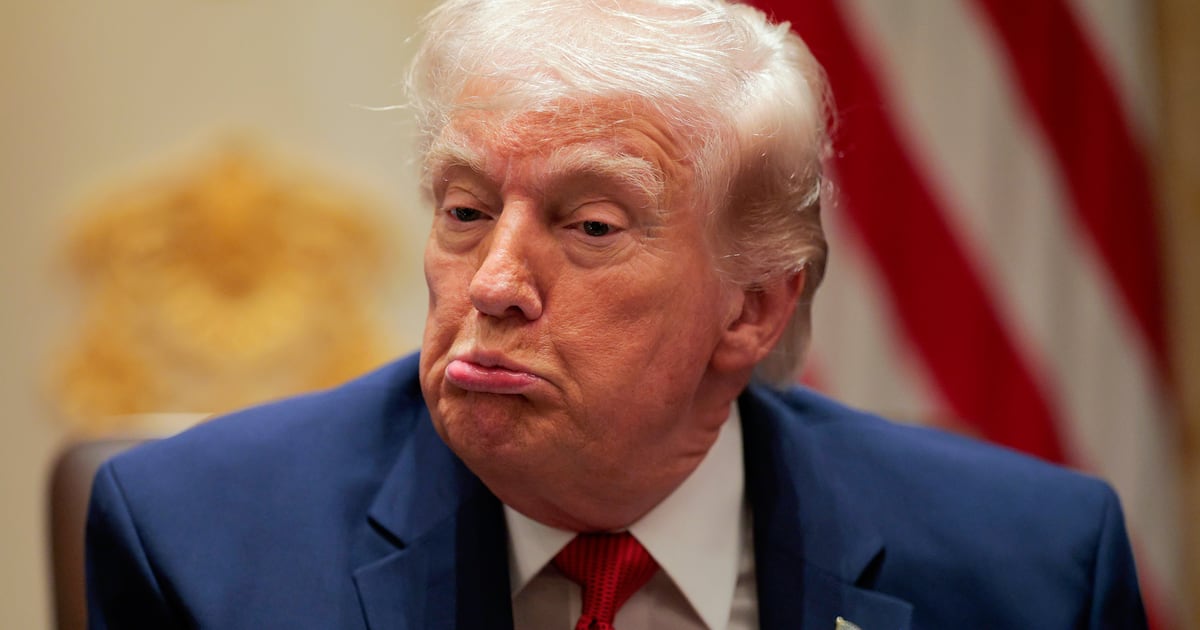
Starmer’s tenure has already attracted colourful international attention. Former chief of staff Morgan McSweeney recounted the first telephone conversation between Starmer and former U.S. President Donald Trump:
“So the first call that Keir had with the president, he got into a conversation about windmills,”
Morgan McSweeney, former chief of staff to the Prime Minister, via BBC
During the call Trump allegedly added:
“The windmills are killing your birds. The birds are falling around the windmills, and the foxes are eating those birds,”
Donald Trump, former U.S. President, via Morgan McSweeney
And continued:
“people no longer knew what kind of creature they were because they were too fat.”
Donald Trump, former U.S. President, via Morgan McSweeney
McSweeney said officials “barely able to contain themselves because it was so funny,” yet were determined to stay “professional.”
International Engagements and Human Rights Diplomacy
Britain’s foreign‑policy muscle was evident in the United Nations arena this week. The UN Human Rights Council convened an urgent debate on Sudan’s el‑Obeid after the United Kingdom, on behalf of a coalition of states, requested the discussion. United Nations rights chief Volker Turk warned that “another human rights catastrophe is unfolding in Sudan, this time in the capital of the strategic state of North Kordofan,” describing 18‑month‑long siege conditions, relentless drone attacks, and a “red alert” that should “land on the desks of heads of state and government around the world.”
Turk’s remarks highlighted the dire humanitarian situation: more than 45 people killed and 41 injured in 15 drone attacks between 6 June and 28 June, critical infrastructure such as the main power station and fuel depots damaged, and water supplies crippled. The UK’s request for the debate underscores its role in rallying international attention and pressing for a draft resolution from European nations at the forthcoming 47‑country council meeting.
Legal Challenges and Digital Policy
Domestically, the Starmer administration continues to navigate the UK’s sweeping Online Safety Act (OSA) of October 2023. The Wikimedia Foundation, which operates Wikipedia, mounted a legal challenge to the Act’s Category 1 “Categorisation Regulations.” On 11 August 2025 the High Court of Justice dismissed the challenge, refusing the sought‑after exemptions that would have spared Wikipedia from identity‑verification duties. The judge nevertheless stressed that “the ruling does not give Ofcom and the Secretary of State a green light to implement a regime that would significantly impede Wikipedia’s operations.”
“does not give Ofcom and the Secretary of State a green light to implement a regime that would significantly impede Wikipedia’s operations”
High Court judgment, via Wikimedia Foundation press release
The judgment warned that failure to protect Wikipedia could expose the regulator to “legal repercussions,” prompting calls for a “particularly flexible interpretation” of the regulations or even parliamentary amendment. The Foundation’s legal counsel, Stephen LaPorte, framed the case as an opportunity “to set a global precedent for protecting public interest projects online.”
What to Watch Next
- UN‑led Sudan response: The UN Human Rights Council will consider a draft resolution on el‑Obeid in the coming weeks, with the UK pressing for decisive action against the RSF‑army clashes.
- Online Safety Act implementation: Ofcom is slated to publish its first categorisation decisions this summer; any amendment to the Category 1 duties would require parliamentary debate.
- Royal prerogative use: As the King continues his private weekly meetings with the Prime Minister, any exercise of royal prerogative powers, such as passport issuance or war declarations, will be closely scrutinised by Parliament and the media.
These threads illustrate how the Labour government, under Starmer’s constitutional authority, juggles internal legislative battles, the preservation of digital civil society, and high‑stakes international diplomacy. The next few months will test the resilience of the United Kingdom’s uncodified constitution and its capacity to adapt to both domestic legal challenges and unfolding crises abroad.
How significant is this development?
Contribute your assessment to the aggregated reader sentiment ledger.
Frequently Asked Questions
Key questions answered in this reportWhat is the key development in: UK Labour government maintains executive authority under Prime Minister Starmer?
The Labour government balances domestic policy and the implementation of the Online Safety Act with international engagement regarding the crisis in Sudan.
Why is this Politics development significant for the UK?
This report covers critical events in our Politics beat. Independent reporting monitors related UK statements, regulatory shifts, and public responses as further verified details emerge.
How was this reporting corroborated and verified?
Newsarchy UK compiles and cross-references reporting from primary reporting from wikimediafoundation.org and cross-checked wire reports. All coverage adheres to published editorial standards.
When was this report published?
This briefing was published on July 3, 2026 and is permanently cataloged in the Newsarchy UK Politics archives.