Man with Tibetan flag dies after setting himself on fire in front of UN’s New Yo...
A man died after setting himself on fire outside the United Nations headquarters in New York. The protest followed the enactment of China's new Law on Promoting Ethnic Unity and Progress.
- Core Development: A man died after setting himself on fire outside the United Nations headquarters in New York. The protest followed the enactment of China's new Law on Promoting Ethnic Unity and Progress.
- Beat Context: Categorized under World with independent corroboration.
- Reporting Depth: 3 minute analytical read synthesized from verified newsroom sources.
A man identifying as an advocate for Tibetan independence died on Thursday, 2 July 2026, after setting himself on fire directly outside the United Nations headquarters in New York. The incident, which occurred at approximately 6:30 p.m. ET, drew immediate attention to the ongoing political tensions surrounding China’s governance of Tibet, occurring only one day after the implementation of Beijing's new Law on Promoting Ethnic Unity and Progress.
New York City police officers responding to an emergency call arrived at the scene near East 43rd Street and First Avenue to find the individual suffering from severe burns. Despite intervention by first responders who used fire extinguishers to douse the flames, the man was transported to Bellevue Hospital, where he was pronounced dead. While police initially withheld the identity of the deceased pending family notification, Tibetan exile organizations and personal associates identified the man as Lobga Rangzen, also referred to as Lobsang Palden.
Media additions
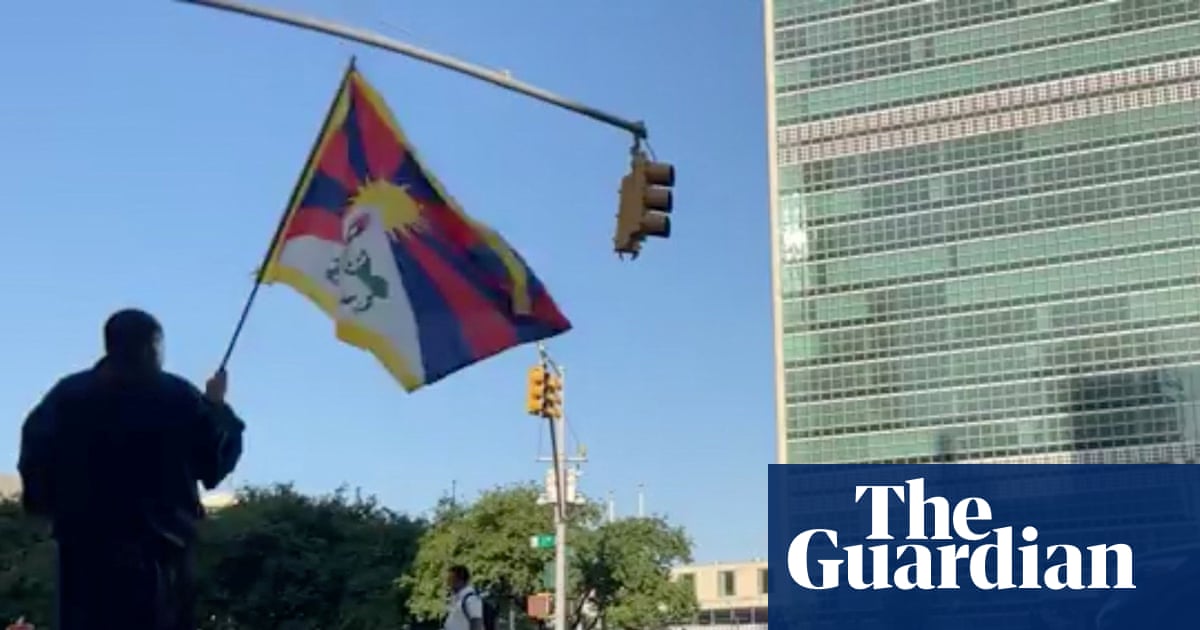

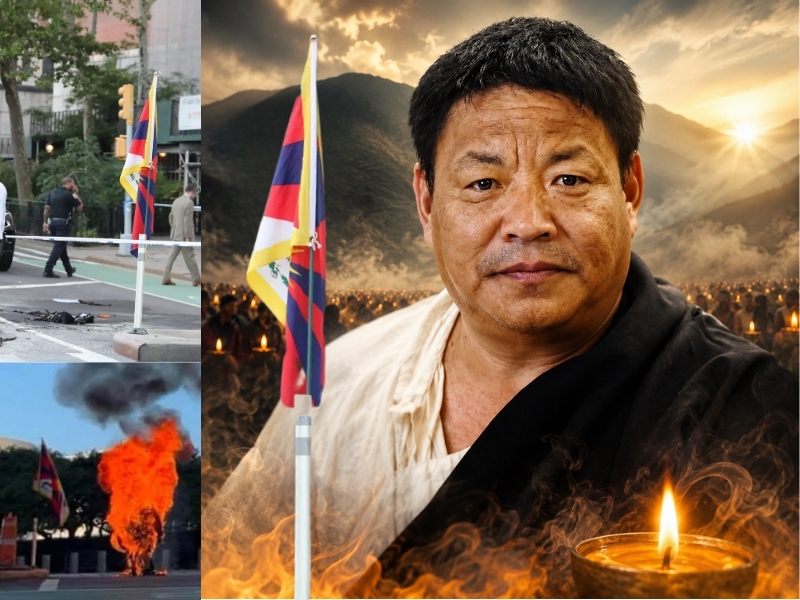
The act of protest was captured on a Facebook livestream, where the individual called for Tibetan independence and accused the Chinese government of enacting policies intended to dismantle the Tibetan language, identity, and culture. Physical evidence recovered at the site included a Tibetan flag and documentation bearing the message “CHINA OUT OF TIBET.” Associates described Rangzen as a man who had lived in the United States for roughly two decades and worked as an Uber driver. Fellow driver Lobsang Paljor described him as a peaceful member of the community who had grown increasingly distressed by restrictions placed on his countrymen.
The timing of the self-immolation is linked by activists and international observers to the July 1, 2026, enactment of the Law on Promoting Ethnic Unity and Progress. The legislation seeks to foster a shared national identity across the country’s minority groups. However, international critics, including officials from the United States and the European Union, have expressed concern that the law provides a legal framework for Beijing to exert pressure on individuals and organizations beyond its own borders. China’s Foreign Ministry maintains that Tibet has been an inalienable part of its territory since ancient times and asserts that the new law is a protective measure for ethnic groups. During a press briefing on Friday, 3 July 2026, Chinese officials urged foreign governments to handle the incident according to their domestic laws.
The incident at the United Nations complex highlights a long-standing pattern of political protest. Data from the International Campaign for Tibet indicates that more than 150 instances of self-immolation by Tibetans occurred between 2009 and 2022. While the vast majority of these protests took place within Tibet, a small number have occurred in exile. Tencho Gyatso, president of the International Campaign for Tibet, stated that the organization was deeply saddened by the death of Rangzen, whom she characterized as a tireless advocate for his cause. Penpa Tsering, the leader of the Tibetan government-in-exile, issued a statement on Friday characterizing the current situation for Tibetans as a severe crisis.
United Nations officials confirmed that the incident took place after all scheduled meetings had concluded for the day, and as a result, no official UN business was disrupted. The site of the protest, one of the most highly secured areas in Manhattan, saw a gathering of supporters and protesters later that evening. As security and surveillance remain heightened in the region, and with formal dialogue between China and the representatives of the Dalai Lama having remained stalled since 2010, the death of Rangzen serves as a symbolic, if tragic, attempt to return the status of Tibet to the global diplomatic agenda.
The investigation into the circumstances surrounding the death continues.
How significant is this development?
Contribute your assessment to the aggregated reader sentiment ledger.
Frequently Asked Questions
Key questions answered in this reportWhat is the key development in: Man with Tibetan flag dies after setting himself on fire in front of UN’s New Yo...?
A man died after setting himself on fire outside the United Nations headquarters in New York. The protest followed the enactment of China's new Law on Promoting Ethnic Unity and Progress.
Why is this World development significant for the UK?
This report covers critical events in our World beat. Independent reporting monitors related UK statements, regulatory shifts, and public responses as further verified details emerge.
How was this reporting corroborated and verified?
Newsarchy UK compiles and cross-references reporting from primary reporting from moderndiplomacy.eu and cross-checked wire reports. All coverage adheres to published editorial standards.
When was this report published?
This briefing was published on July 3, 2026 and is permanently cataloged in the Newsarchy UK World archives.