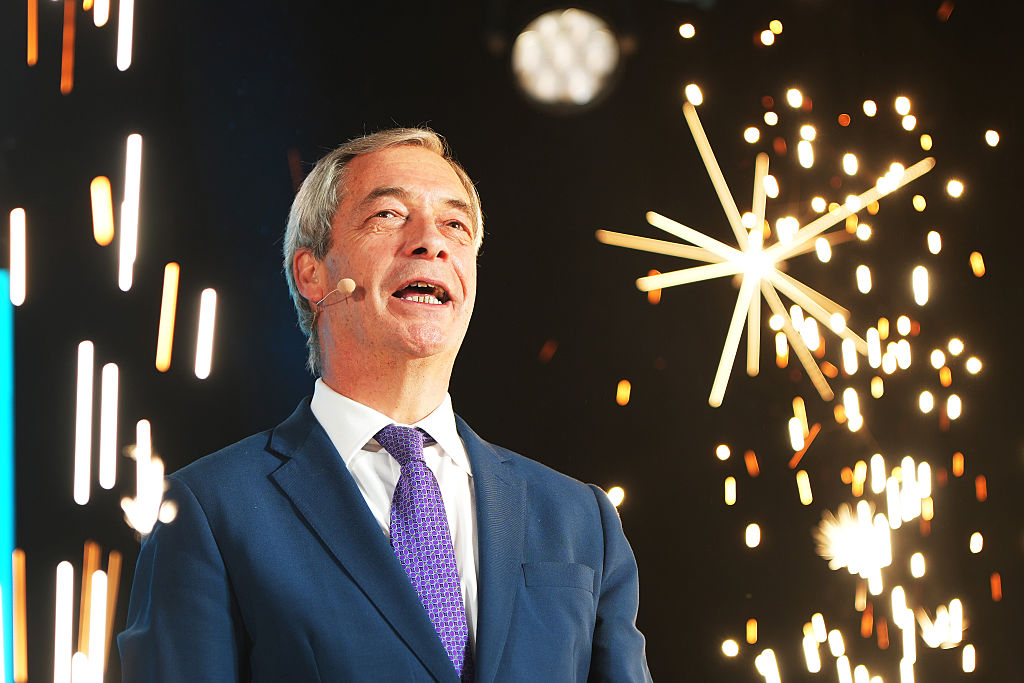
Starmer's former chief of staff blames lack of preparation for Labour's fall
Former chief of staff Morgan McSweeney admits Labour failed to prepare for government, citing policy missteps and a lack of vision as causes for the party's downfall.

- Core Development: Former chief of staff Morgan McSweeney admits Labour failed to prepare for government, citing policy missteps and a lack of vision as causes for the party's downfall.
- Beat Context: Categorized under Politics with independent corroboration.
- Reporting Depth: 3 minute analytical read synthesized from verified newsroom sources.
In his first media interview since leaving No 10, former prime minister’s chief of staff Morgan McSweeney said the party’s “lack of preparation” for a dramatically different world was the single biggest reason Labour fell from power. The admission arrives as the party scrambles to choose a successor, with Andy Burnham widely tipped to replace Sir Keir.
Labour entered government on 4 July 2024 after a landslide that gave it 411 of the 650 Commons seats. Express noted that the victory was built on a “loveless landslide” – a massive majority secured by only about a third of voters, many of whom were motivated by anti‑Conservative sentiment rather than enthusiasm for Labour’s agenda.
Media additions
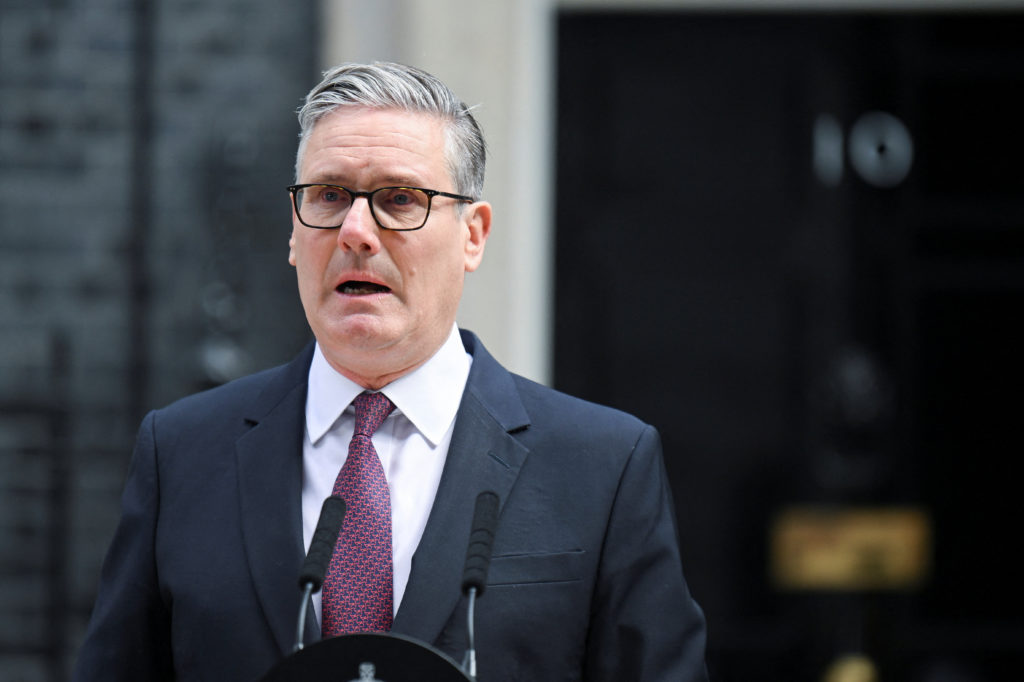

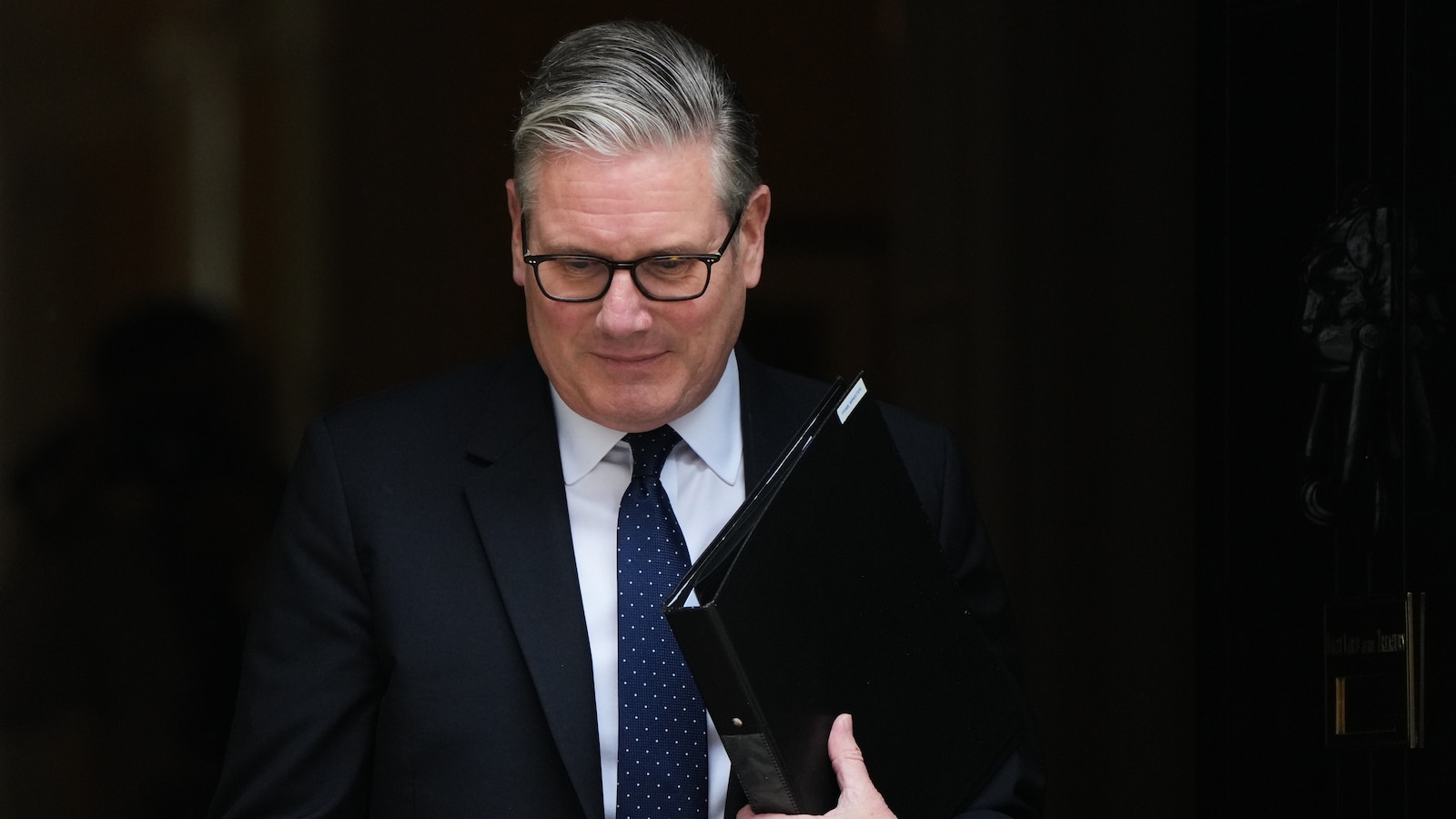
McSweeney, who took on the chief‑of‑staff role three months after Labour returned, said the party never built a playbook for governing. He recalled early planning meetings where he “started to realise that we hadn't done enough to prepare for government”. His warning was echoed by analysts at The Guardian, who argue that without a clear narrative Labour “could not make a clear, compelling argument” to the public.
“We didn't prepare enough for what kind of world we were going to. We are now in a very different era than when Labour was last in government.”
Morgan McSweeney, former chief of staff, via Express
McSweeney pinpointed three inter‑linked failures:
- Over‑optimism in the early days, with the party expecting “at least two elections” to consolidate power.
- A focus on the inherited state finances rather than a forward‑looking policy blueprint.
- Key policy missteps – most notably the decision to remove winter‑fuel payments for millions of pensioners, a move later reversed but which, he admits, “defined the government in a way that did us a lot of damage”.
Those policy errors sparked a cascade of scandals. The first major scandal erupted in May 2025 when Deputy Prime Minister Angela Rayner’s failure to declare tax liabilities on a £800,000 Hove flat forced her resignation. The Pbs report links that episode to a broader pattern of “policy U‑turns” that eroded public trust.
Rob Ford, a political‑science professor at the University of Manchester, summed up the broader failure. “Starmer’s selling point was ‘no more soap‑opera politics’, but his government was the antithesis of what he said he was going to be about,” PBS quoted. Ford added that Starmer “lacked the political radar to spot potential booby traps”.
Timeline of key moments
- 4 July 2024 – Labour wins general election; Starmer becomes prime minister.
- 5 May 2025 – Angela Rayner’s tax‑declaration scandal; she resigns on 5 September 2025.
- 22 June 2026 – The Guardian publishes a post‑mortem on Starmer’s tenure.
McSweeney’s candid admission that “we weren’t prepared” adds a personal dimension to a story that has already been dissected by The Guardian and the other outlets quoted above. By placing the blame on a party‑wide failure rather than on a single individual, McSweeney signals that Labour’s next leader will inherit a bureaucracy that, in his view, never had “enough conversations at the top of the party about what kind of world we were going to”.
How significant is this development?
Contribute your assessment to the aggregated reader sentiment ledger.
Frequently Asked Questions
Key questions answered in this reportWhat is the key development in: Starmer's former chief of staff blames lack of preparation for Labour's fall?
Former chief of staff Morgan McSweeney admits Labour failed to prepare for government, citing policy missteps and a lack of vision as causes for the party's downfall.
Why is this Politics development significant for the UK?
This report covers critical events in our Politics beat. Independent reporting monitors related UK statements, regulatory shifts, and public responses as further verified details emerge.
How was this reporting corroborated and verified?
Newsarchy UK compiles and cross-references reporting from primary reporting from bbc.com and cross-checked wire reports. All coverage adheres to published editorial standards.
When was this report published?
This briefing was published on July 3, 2026 and is permanently cataloged in the Newsarchy UK Politics archives.