UK tribunal confirms government served Apple with secret encryption notice
A UK tribunal rejected the Home Office's secrecy policy, confirming that Apple was served with a secret technical capability notice.

A UK tribunal has confirmed that the British government served Apple with a secret encryption notice, ending a long-standing official silence that matters now because it opens the tech giant's legal challenge to public scrutiny.
On Thursday, November 19, the Investigatory Powers Tribunal handed down a judgment rejecting the Home Office's "neither confirm nor deny" (NCND) policy. As reported by Ground News, the independent judicial body ruled that national security concerns could no longer be used to hide the mere existence of the legal directive from the public.
Media additions

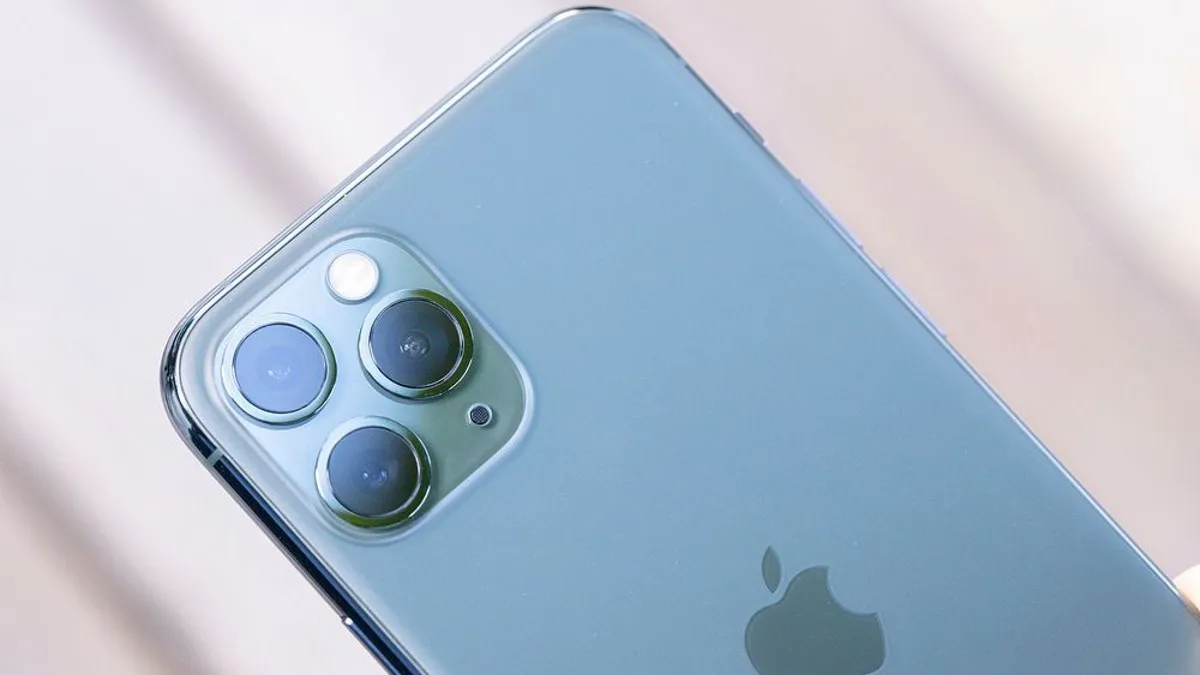
The dispute centers on Apple's Advanced Data Protection (ADP) feature, which generates and stores encryption keys on users' own devices rather than on company servers. Because Apple never holds the keys, it is technically unable to access the content of iCloud accounts even when served with a lawful request. According to The Record, Apple withdrew ADP for British users entirely after receiving the technical capability notice.
Yahoo News noted that ministers had previously used surveillance powers to secretly order Apple to develop a way of accessing encrypted information. An earlier demand covering American and British customers was reportedly dropped after talks with Washington, leading to a subsequent notice targeted specifically at UK customers, according to Business Upturn.
The tribunal deemed it "fanciful" to argue that confirming the notice would damage national security, pointing to extensive media reports and public statements from U.S. Officials. In a preliminary judgment last April, the tribunal cited comments by senior U.S. Politicians, including President Donald Trump, who compared the move to "something that you hear about with China." Furthermore, the then-U.S. Director of National Intelligence Tulsi Gabbard ordered a legal review of the secret directive in February 2025, expressing grave concern about its implications.
Experts and former intelligence officials have weighed in on the transparency debate. Tim Stevens, head of the King's Cyber Security Research Group at King's College London, previously told Recorded Future News that a default of no comment left the government unable to control the story when details came out. Sir Jeremy Fleming, the former director of GCHQ, told the Munich Cyber Security Conference in 2025 that greater transparency was needed to protect the agencies’ “license to operate.” Andrew Dwyer, a lecturer in information security at Royal Holloway, University of London, added that a notice capable of removing an encryption service from millions of users is not like a live operation and should not be shielded in the same way.
Defending the government's stance, a spokesperson emphasized that public safety remains paramount:
"Terrorists, child abusers and organised crime groups cannot be allowed to operate beyond the reach of the law. The right to privacy is crucial but it should not come at the expense of the safety of the British public. A judge can authorise access to a criminal’s home, a parcel they’ve sent, or a car they drive. The online world is no different. These powers are subject to strict safeguards and the government never has direct access to a company’s communications systems or data."
Government spokesperson, via The Record
The government further argued that Apple has been helping the police and intelligence agencies pursue criminals and bring them to justice for several years, in accordance with the law, and that the Technical Capability Notice simply requires that they maintain the ability to do so, adding that decisions affecting the safety of the British public must be made by democratically elected governments and independent judges, not in the boardrooms of technology companies.
| Timeline / Phase | Key Event |
|---|---|
| February 2025 | Apple withdrew Advanced Data Protection for British users; U.S. Director of National Intelligence Tulsi Gabbard ordered a legal review. |
| April 2025 | Investigating Powers Tribunal issued a preliminary judgment criticizing the government's "neither confirm nor deny" stance. |
| Thursday, November 19, 2026 | Tribunal handed down its definitive judgment confirming the secret notice and allowing parts of Apple's legal challenge to be heard in public. |
| First half of 2027 | Substantive hearings for the legal challenge are scheduled to take place. |
While the ruling is a notable procedural victory for openness, the tribunal's decision does not make a finding about whether the notice issued to Apple is lawful, nor does it publish the government's detailed technical demands. Certain evidence remains sealed under closed sessions to protect genuine national security interests.
As the legal battle continues, further developments are anticipated. A substantive hearing has been scheduled for the first half of 2027, during which evidence and written arguments will be exchanged to determine the ultimate validity of the government's secret directive.