US launches new airstrikes on Iran and Tehran fires back at Gulf Arab states
Renewed U.S. airstrikes on Iranian infrastructure have triggered retaliatory missile and drone attacks across the Gulf, effectively ending the mid-June cease-fire.
- Core Development: Renewed U.S. airstrikes on Iranian infrastructure have triggered retaliatory missile and drone attacks across the Gulf, effectively ending the mid-June cease-fire.
- Beat Context: Categorized under World with independent corroboration.
- Reporting Depth: 4 minute analytical read synthesized from verified newsroom sources.
At dawn on July 9, 2026 the United States launched a second wave of airstrikes against Iran, hitting roughly 90 sites, and Tehran answered with retaliatory fire that set off sirens in Bahrain, Kuwait and Qatar. The rapid back‑and‑forth marks the first major escalation since the 60‑day cease‑fire that began in mid‑June, and it threatens the fragile effort to keep the Strait of Hormuz open for world‑wide energy shipments.
How the exchange unfolded
| Date | Action | Actors |
|---|---|---|
| June 30, 2026 | Iranian forces attacked three commercial tankers in the Strait of Hormuz. | Iran |
| July 8, 2026 | U.S. Central Command announced a first round of strikes targeting airport runways, missile launchers and port facilities in Iran. | United States |
| July 8, 2026 | President Donald Trump declared the cease‑fire “over” and warned of “harder” strikes. | Donald Trump, via Truth Social and at a NATO summit in Ankara. |
| July 8–9, 2026 | Iran retaliated against U.S. Bases in Bahrain and Kuwait, and launched missiles and drones toward Bahrain, Kuwait and Qatar. | Iranian Revolutionary Guard / state media |
| July 9, 2026 | U.S. Forces concluded a second round of strikes, again reporting about 90 targets, including an airport runway and missile sites. | U.S. Central Command |
| July 9, 2026 | Iranian state media reported explosions in Bushehr, Chabahar, Bandar Abbas, Sirik and a railway bridge in Golestan province. | Iranian state media |
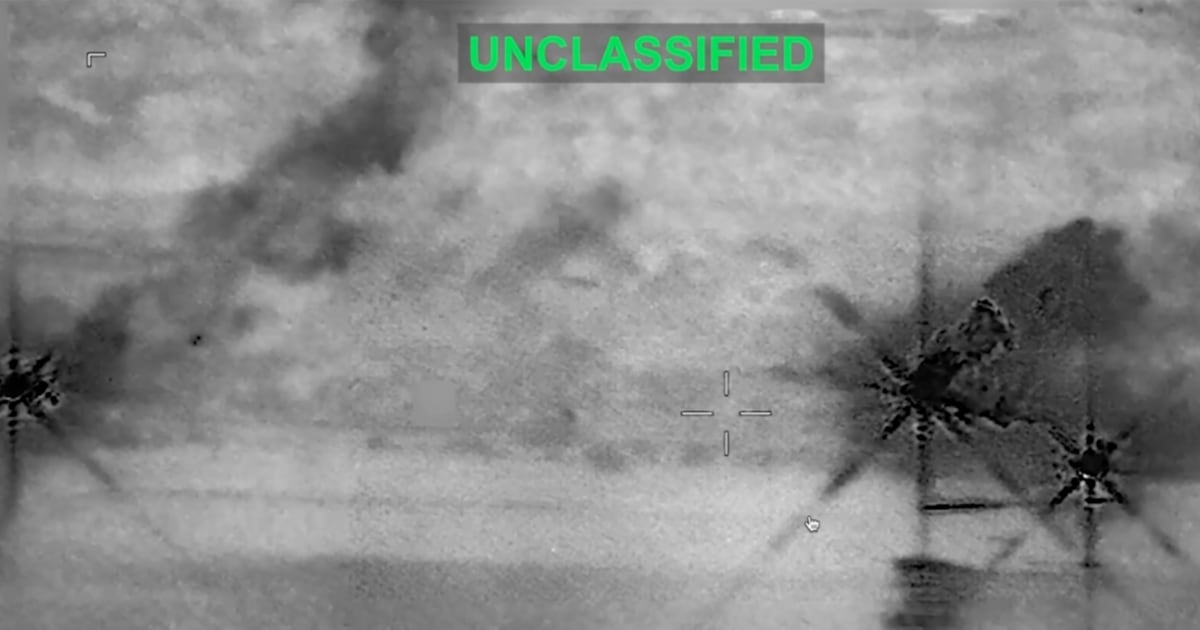
The AP report described the U.S. Footage as black‑and‑white images of an airport runway and missile launchers, while The Guardian added that the strikes also hit southern port cities and a nuclear‑power‑plant complex in Bushehr. CBS News noted that the Pentagon’s statement said the purpose was “to further degrade Iran’s ability to threaten freedom of navigation in the Strait of Hormuz.”
Media additions


Official narratives on both sides
U.S. Central Command posted on X that the operation was “directed by the Commander in Chief” and aimed to “further degrade Iran’s ability to threaten freedom of navigation in the Strait of Hormuz.”
"U.S. forces remain vigilant, lethal, and prepared to execute operations directed by the Commander in Chief."
U.S. Central Command, via X
Trump, speaking from the NATO summit in Ankara, warned that “if it happens again, it will get much worse” and that the United States would “hit ten times harder.” He also said the cease‑fire was “over” but that “negotiations can continue.” Time recorded his Truth Social post: “This is in retribution for yesterday’s bombing of ships by Iran.”
"If it happens again, it will get much worse!"
Donald Trump, via Truth Social
Iranian officials rejected the U.S. Framing. Deputy Foreign Minister Kazem Gharibabadi wrote on X that Trump’s remarks “are not a sign of power but an admission of failure” of Washington’s policy. Speaker of Parliament Mohammad Bagher Ghalibaf posted: “America still hasn’t learned that bullying and breaking promises are no longer cost‑free.” Iran’s national security council spokesman, Ebrahim Rezaei, warned Gulf states that “they should watch over their oil and gas wells” if they continue to stand with Washington.
Strategic targets and collateral damage
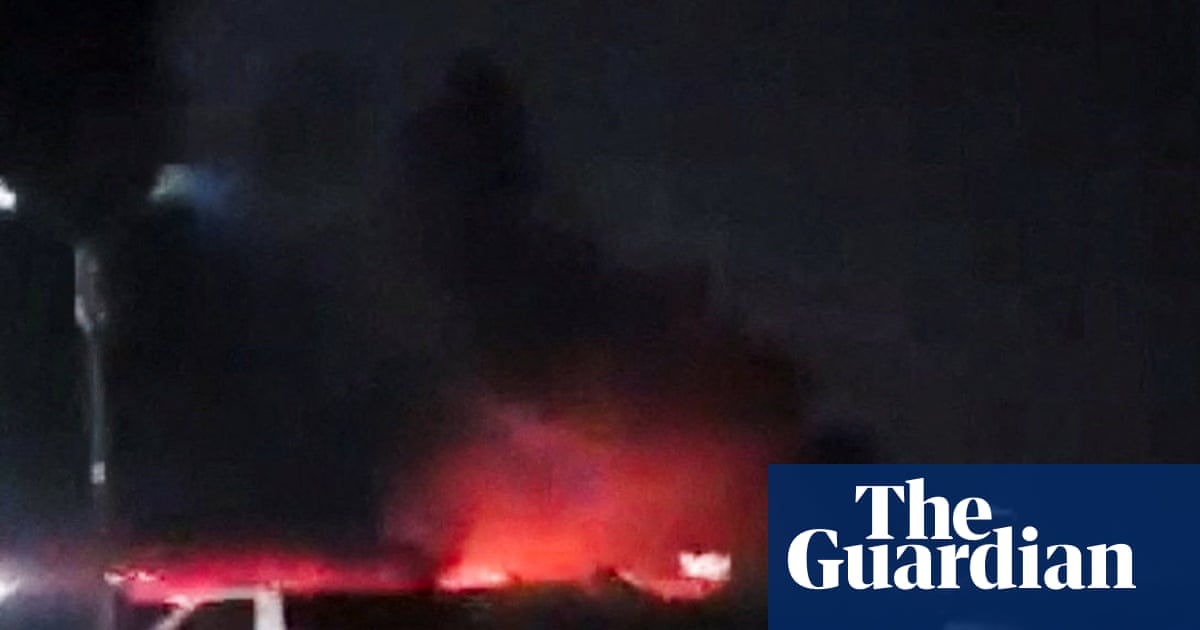
Iranian state media listed attacks on: the Bushehr nuclear plant area (no damage reported), the ports of Chabahar and Konarak, and the railway bridge in Golestan province. A firefighter was reported killed at an airport in Iranshahr. The Revolutionary Guard claimed strikes on Bahrain and Kuwait, while Kuwait’s military confirmed “actively intercepting incoming drones and missiles.” Bahrain’s interior ministry said it had activated air‑raid sirens, but no damage was immediately reported.
Economic and diplomatic ripple effects
The Treasury Department revoked a temporary sanctions waiver that had allowed Iran to export oil, a move noted by The Guardian and linked to the latest escalation.
At the same Time, Iran was conducting a multi‑day funeral for Supreme Leader Ayatollah Ali Khamenei, whose death on February 28 triggered the war’s opening salvo. The ceremonies in Najaf and Karbala drew millions, and the burial in Mashhad was scheduled for Thursday. The funeral had been expected to provide a temporary lull, but the renewed fighting reopened hostilities just as the mourners were preparing to lay the leader to rest.
What to watch next
- Whether the United States will issue a third wave of strikes, as Trump hinted at “hit them hard tonight” during the NATO summit.
- How Iran’s Revolutionary Guard will respond to the reported bridge and airport attacks, especially in the strategic Golestan corridor.
- Progress of the permanent peace negotiations slated to begin after Khamenei’s burial, with particular focus on the future status of the Strait of Hormuz.
The escalation underscores how quickly the temporary truce can dissolve and why the Strait of Hormuz remains a flashpoint for international security.
How significant is this development?
Contribute your assessment to the aggregated reader sentiment ledger.
Frequently Asked Questions
Key questions answered in this reportWhat is the key development in: US launches new airstrikes on Iran and Tehran fires back at Gulf Arab states?
Renewed U.S. airstrikes on Iranian infrastructure have triggered retaliatory missile and drone attacks across the Gulf, effectively ending the mid-June cease-fire.
Why is this World development significant for the UK?
This report covers critical events in our World beat. Independent reporting monitors related UK statements, regulatory shifts, and public responses as further verified details emerge.
How was this reporting corroborated and verified?
Newsarchy UK compiles and cross-references reporting from primary reporting from nbcnews.com and cross-checked wire reports. All coverage adheres to published editorial standards.
When was this report published?
This briefing was published on July 9, 2026 and is permanently cataloged in the Newsarchy UK World archives.