Prime Minister to face scrutiny as Parliament returns to Westminster business
Prime Minister Starmer faces scrutiny over a long-standing super-injunction while MPs debate amendments to the Terminally Ill Adults (End of Life) Bill.
Prime Minister Keir Starmer faces parliamentary scrutiny as Westminster returns to business. Central to the upcoming agenda is an appearance before the Liaison Committee, where the Prime Minister is expected to answer questions from select committee chairs. This session has drawn specific interest regarding the government’s handling of a super-injunction that prevented public discussion of a Ministry of Defence data breach. Although the injunction was sought by the previous administration, the current government maintained it for a year, raising questions about parliamentary oversight and the implications for the relocation policy regarding those affected by the breach.
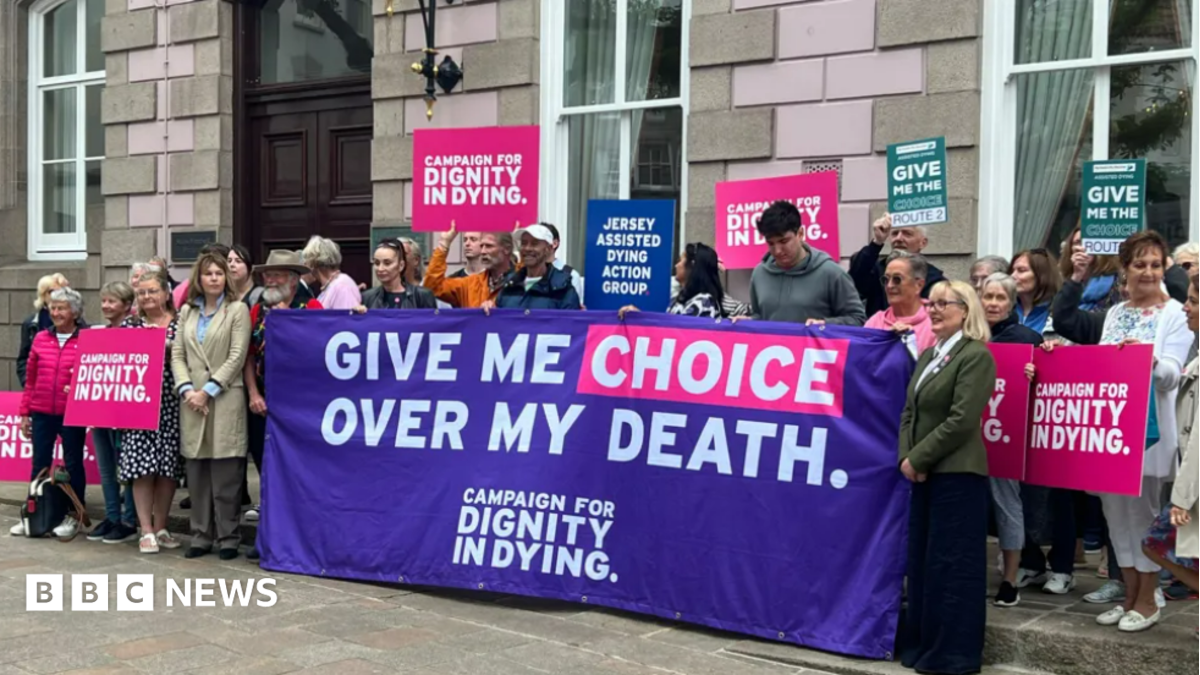
Legislative work remains ongoing across both Houses. In the Commons, the Terminally Ill Adults (End of Life) Bill is currently undergoing line-by-line scrutiny by a committee of 23 MPs. Kim Leadbeater, the MP sponsoring the bill, has proposed a shift from the originally envisioned requirement for High Court judge approval to a judge plus
system. This model would involve a three-member panel chaired by a senior legal figure, supplemented by experts including psychiatrists and social workers. Leadbeater indicated support for an amendment that would require a psychiatrist to assess cases where there is concern regarding the impairment of an applicant’s judgment. Opponents of the new approach argue that the change weakens essential safeguards and risks holding sensitive proceedings in private, a claim Leadbeater denied during the committee debate. The committee is currently reviewing over 300 tabled amendments, and the bill is not expected to return to the Commons for further debate until later this year.
Media additions


In the House of Lords, peers are considering the Hereditary Peers Bill. As originally drafted, this legislation would remove the right of the 90 remaining hereditary peers to sit in the House. If passed, the bill will return to the House of Commons for consideration of previous amendments, including proposals to prevent the immediate elimination of hereditary peers in favour of a gradual decline through natural attrition. Separately, the House is addressing Statutory Instruments concerning news organisation ownership. Regulations have been proposed to set a 15% share threshold for foreign state investment in newspapers and news organisations. A fatal motion
tabled by Lord Fox seeks to reject the regulations, arguing they threaten the freedom of the press, while a non-fatal
motion tabled by Baroness Stowell of Bolton expresses regret over the current drafting, specifically regarding the lack of distinction between types of foreign state investment funds.
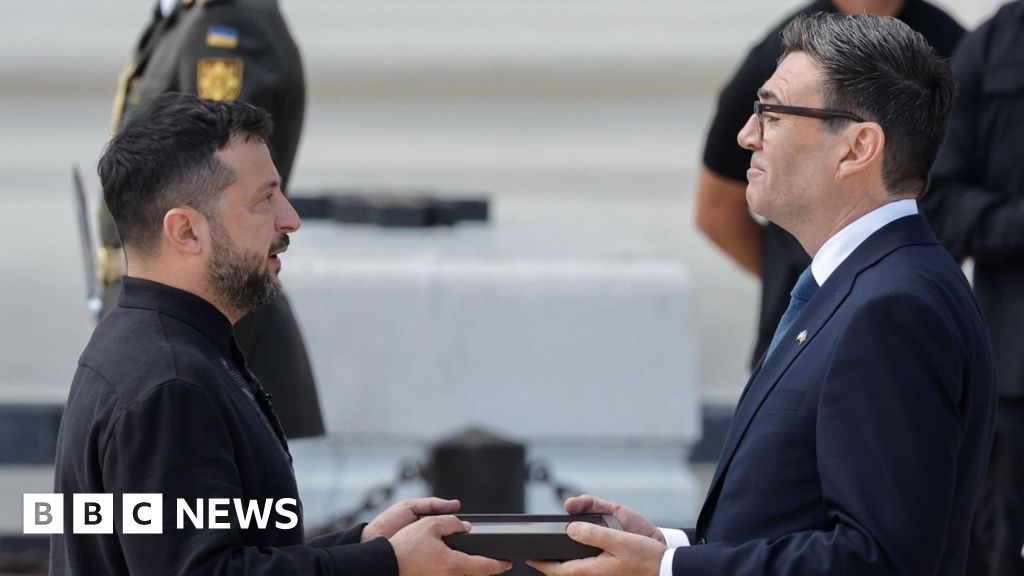
The transition of government leadership remains a focus. Nominations to replace Sir Keir Starmer as Labour leader have opened, with Andy Burnham emerging as the sole candidate. Should the leadership transition proceed without a contest, Burnham is expected to be confirmed as party leader at a special conference and will subsequently assume the role of Prime Minister.
As these legislative processes unfold, Parliament continues to manage a broad range of business, including the consideration of the Renters’ Rights Bill and the ongoing Employment Rights Bill. The House of Commons is also set to host debates on the 80th anniversary of Victory over Japan and the Sir David Amess Summer Adjournment debate. Ministerial questions will continue across departments, addressing issues from education funding to health service waiting times.