Jared Kushner says Russia accepts NATO-like security guarantees for Ukraine
U.S. Envoy Jared Kushner announced that Russia is comfortable with NATO-like security guarantees for Ukraine, prompting intense reactions from European leaders.
U.S. Envoy Jared Kushner announced that Russia is comfortable with NATO-like security guarantees for Ukraine, shifting the diplomatic landscape as leaders grapple with a shifting geopolitical alignment and mounting friction between Washington and European capitals.
The remarks, reported by PBS on Thursday, 19 November 2026, emerged during high-stakes diplomatic gatherings that spanned continents. U.S. President Donald Trump convened in Shenzhen, China, for rare trilateral talks alongside Russian President Vladimir Putin and Chinese President Xi Jinping. According to fellow U.S. Envoy Steve Witkoff, the leaders discussed Ukraine and a peaceful end to the conflict during the summit, though the resulting declaration published by Chinese state media omitted any mention of Ukraine, as Time Magazine detailed.
Media additions

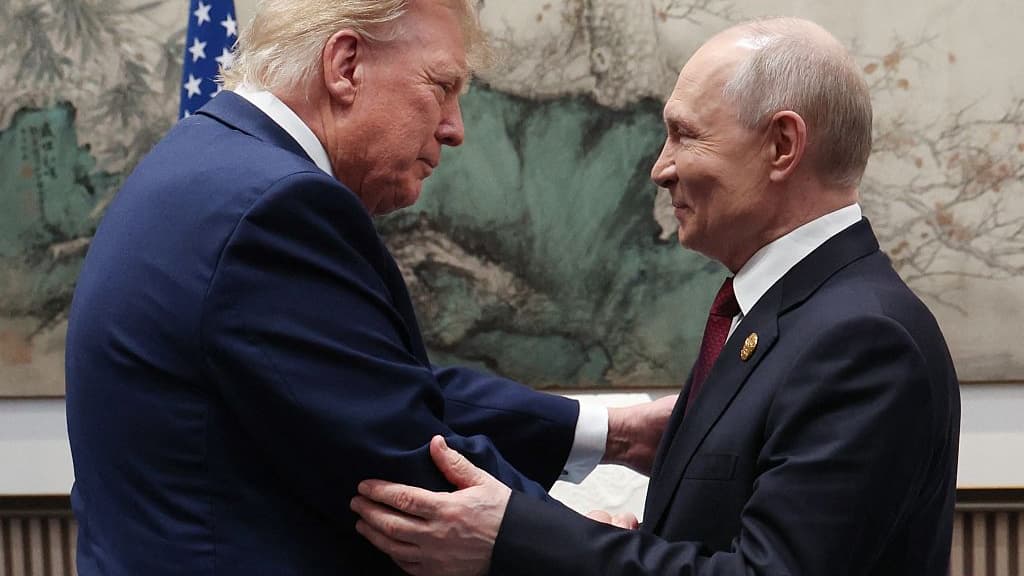
Kushner and Witkoff subsequently traveled to Berlin to brief a summit of European leaders and Ukrainian President Volodymyr Zelenskyy, an emergency gathering of the so-called "Coalition of the Willing." Al Jazeera reported that the meeting served to signal a united front among European allies who feared being sidelined by direct U.S.-Russia negotiations. Trump reportedly called into the Berlin discussions after wrapping up his talks in Asia.
During the Berlin briefings, Kushner insisted that Washington's priority remained close coordination with Ukraine and Europe. He revealed that the U.S. Administration is open to exploring robust postwar protections.
Kushner added that he believes Moscow has grown comfortable with the concept, where an attack on one member is treated as an attack on all, though Russia has not publicly confirmed this claim."I will say from America’s perspective, giving an Article 5-like security guarantee is a really, really big deal. And I think that that’s something that President Trump is open to, but obviously it has to be in America’s interest to do that,"
Jared Kushner, U.S. Envoy, via Time Magazine
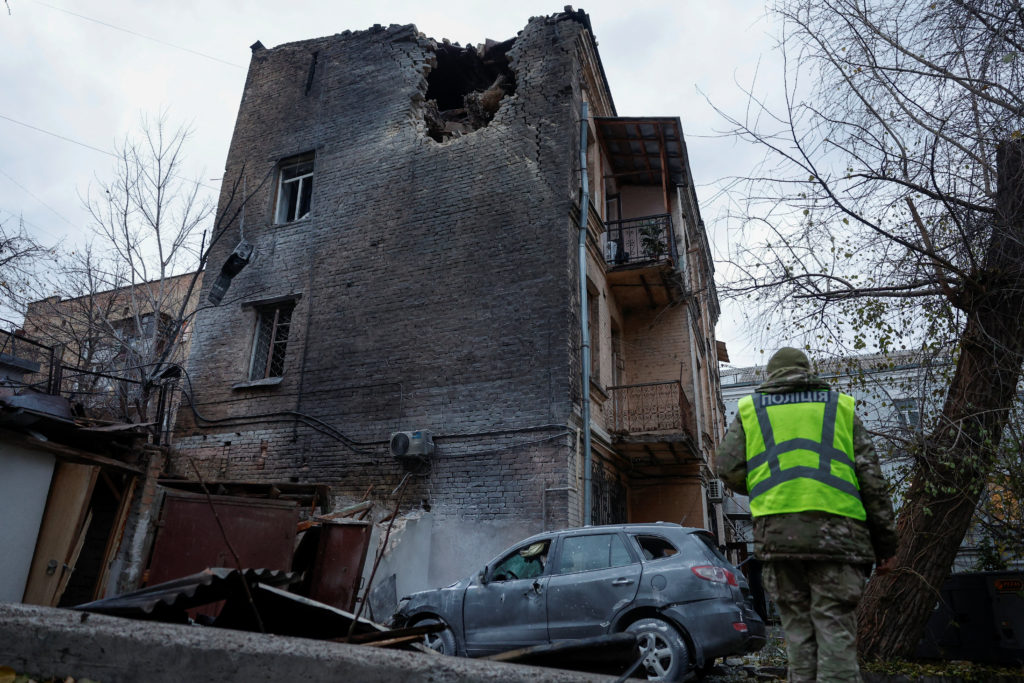
The diplomatic push unfolded against a backdrop of intense military escalation on the ground. As NewsCord noted, Ukraine launched a third aerial attack in four days against the 19-kilometer Kerch Bridge linking Russia to occupied Crimea. The strikes severely damaged the road section and temporarily halted rail traffic, prompting a stern vow of retaliation from Putin, who insisted the bridge is a civilian asset. Meanwhile, the Russian Defense Ministry reported intercepting dozens of overnight drones, and missile strikes across multiple Ukrainian regions left multiple civilians dead and wounded, alongside minor damage sustained by the Austrian and Dutch embassies in Kyiv.
European reaction to the unfolding diplomacy was sharply divided between a desire for inclusion and deep unease over Washington's overtures. Trump's labeling of Putin as "my friend" during the APEC summit drew immediate rebukes from European officials. Polish Prime Minister Donald Tusk posted a sardonic social media message reading, "God, protect us from such friends," while German Chancellor Friedrich Merz warned that any deal made without Europe at the table would fail, asserting that a "Yalta-style format will not bring about peace."
| Official / Leader | Entity / Nation | Stance on Negotiations and Security |
|---|---|---|
| Jared Kushner | United States | States Russia is comfortable with NATO Article 5-style security guarantees; confirms U.S. Openness to the concept. | Friedrich Merz | Germany | Warns a Yalta-format deal will fail; insists Europe and Ukraine must be centrally involved in peace talks. | Volodymyr Zelenskyy | Ukraine | Emphasizes the need for continued pressure and sanctions; expects a four-way format for upcoming negotiations. | Vladimir Putin | Russia | Vows retaliation for Kerch Bridge attacks; questions Europe's role while inviting European officials to Moscow to explain their position. |
Despite the friction, The Herald Bulletin and Couriernews confirmed that the Berlin summit successfully secured a formalized role for European powers in the next phase of talks.
What to watch next
- Finalization of the agenda and format for the upcoming round of multilateral negotiations involving U.S. Envoys, Ukrainian leadership, and European representatives.
- Further diplomatic communications regarding whether European officials will accept Moscow's invitation to visit the Russian capital to discuss their negotiating position.
- The rollout of the European Union's new sanctions package targeting Russian energy export evasion networks and financial institutions.
Explore broader international developments in our dedicated World coverage section.