Welsh grooming gang survivors feel excluded from national inquiry
Survivors of grooming gangs in Wales feel excluded from the national statutory inquiry, saying their stories are overlooked.

- Core Development: Survivors of grooming gangs in Wales feel excluded from the national statutory inquiry, saying their stories are overlooked.
- Beat Context: Categorized under Politics with independent corroboration.
- Reporting Depth: 4 minute analytical read synthesized from verified newsroom sources.
Survivors of grooming gangs in Wales are saying the statutory inquiry that has opened its doors to England and Wales is treating them as an afterthought. Welsh Conservative leader Darren Millar has called for a separate investigation, arguing that the lack of local inquiries in Wales leaves victims “overlooked and ignored”. The call comes as the national inquiry, chaired by Baroness Anne Longfield, has earmarked only English towns for its first round of investigations.
Why the Welsh complaint matters now
In early June, the Welsh Conservatives urged the Welsh Government to commission its own inquiry if the national review continues to sideline the country. Millar said a survivor had told him she had been “groomed, trafficked and raped more than 1,000 times”, and that the Welsh Government should “press for Wales to be fully incorporated” into the statutory review. He warned that, if the inquiry fails to cover Wales adequately, the Welsh Government would have to act on its own powers to investigate the role of schools, the NHS and social services in failing to protect children.
Media additions

Welsh Women’s Aid said it hoped survivors would have a chance to feed into future local investigations, which the inquiry spokesperson said would be announced in the coming weeks and months. A Welsh Government spokesperson added that the government was “committed to strengthening safeguarding arrangements and protecting children and young people in Wales from the horrific crimes of exploitation and sexual abuse” and that it was engaging fully with the independent inquiry.
The complaint is part of a wider debate about how the United Kingdom is dealing with the legacy of grooming gangs. A citizen‑funded report by MP Rupert Lowe, released on 16 June, claims that at least 250 000 young girls have been targeted by organised sexual exploitation. The report argues that police, social services, schools, the NHS and licensing authorities have failed to intervene, allowing perpetrators to operate “with impunity”. Lowe’s document also makes claims about the ethnicity of offenders, suggesting that Muslim men, especially of Pakistani heritage, are overrepresented.
National inquiry faces criticism from other quarters
It will hold institutions to account for past failures and has legal powers to investigate the conduct of public authorities. The inquiry’s first local investigations have so far been announced for Bradford and Keighley, London and Oldham – all in England.
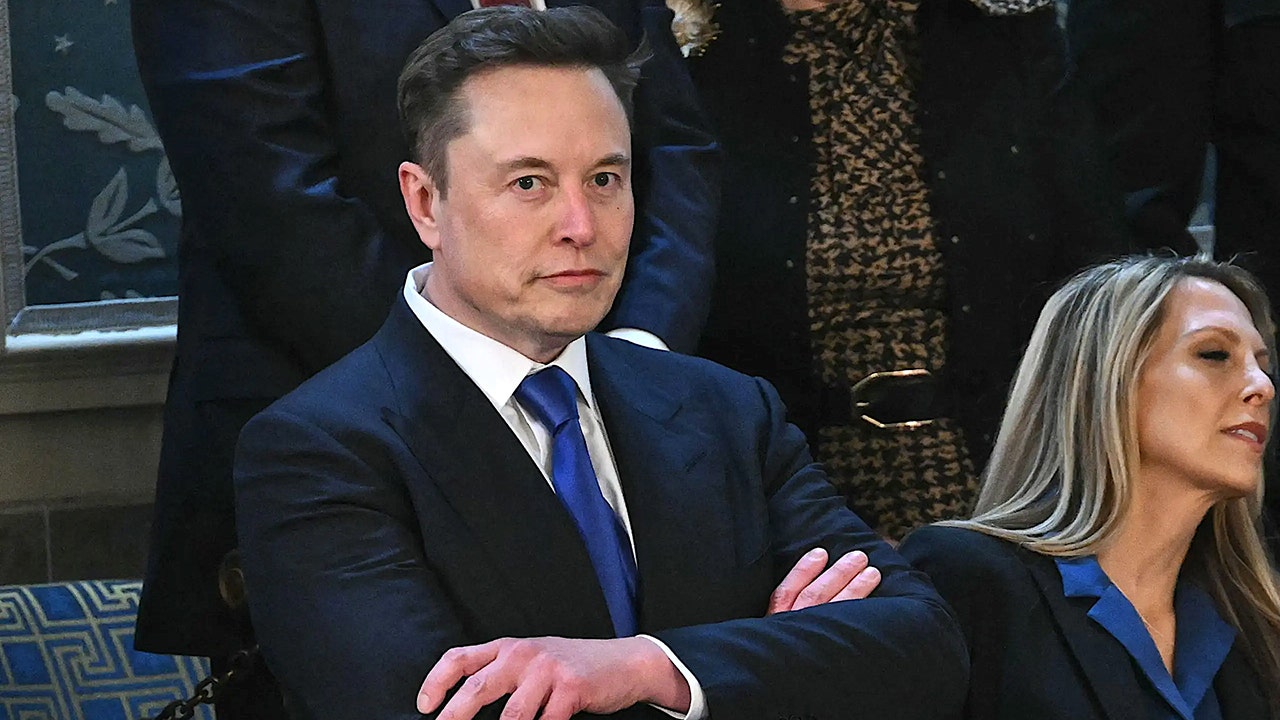
Elon Musk, who has repeatedly commented on the grooming‑gang scandal, demanded that politicians who “turned a blind eye” to the abuse face prison. Musk’s own campaign for a new inquiry has drawn attention to the fact that the UK government has already launched a statutory national inquiry and is preparing to investigate more than 800 previously closed cases.
Her statements come in the wake of a 2025 audit by Dame Louise Casey, which found that authorities had often avoided difficult questions about ethnicity out of fear of racism accusations. Casey’s review also highlighted that a significant proportion of offenders were not of Asian background, with White British, European, African and Middle Eastern individuals also represented.
What survivors are demanding
Welsh survivors want the truth to be fully uncovered. Millar said that “people need to be held to account” and that “victims deserve justice”. He warned that the Welsh Government should act if the national inquiry fails to investigate matters in Wales, and suggested that a separate inquiry should examine whether schools, the NHS and social services responded appropriately and whether warning signs were missed.
Survivors also point to the fact that the national inquiry has not yet announced any local investigations in Wales. They say that the absence of Welsh sites in the first round makes it difficult to know how the inquiry will treat their stories or how quickly they will receive answers. The Welsh Women’s Aid spokesperson said that they hoped survivors in Wales would have the chance to feed into future local investigations and that “their stories will be heard”.
What happens next?
The national inquiry will likely announce its next batch of local investigations in the coming weeks. If Wales remains excluded, the Welsh Government could invoke its powers to set up a separate inquiry, as Millar has suggested. Meanwhile, the government remains committed to reviewing more than 1,000 closed cases and to implementing the recommendations of the Casey review, including mandatory reporting and the collection of ethnicity and nationality data for all suspects in child sexual exploitation cases.
Victims and survivors in Wales are urging that their stories be taken seriously and that the inquiry’s findings reflect the full extent of the abuse in Wales. The next few months will be crucial in determining whether the national inquiry will finally include Wales or whether a separate Welsh investigation will be launched.
How significant is this development?
Contribute your assessment to the aggregated reader sentiment ledger.
Frequently Asked Questions
Key questions answered in this reportWhat is the key development in: Welsh grooming gang survivors feel excluded from national inquiry?
Survivors of grooming gangs in Wales feel excluded from the national statutory inquiry, saying their stories are overlooked.
Why is this Politics development significant for the UK?
This report covers critical events in our Politics beat. Independent reporting monitors related UK statements, regulatory shifts, and public responses as further verified details emerge.
How was this reporting corroborated and verified?
Newsarchy UK compiles and cross-references reporting from primary reporting from dailymail.com and cross-checked wire reports. All coverage adheres to published editorial standards.
When was this report published?
This briefing was published on July 15, 2026 and is permanently cataloged in the Newsarchy UK Politics archives.