London Underground drivers begin 24-hour strike over shift patterns
RMT union members have begun a 24-hour strike as negotiations over a proposed four-day working week remain stalled. While the Aslef union has accepted the offer, commuters face significant service disruptions across the network.
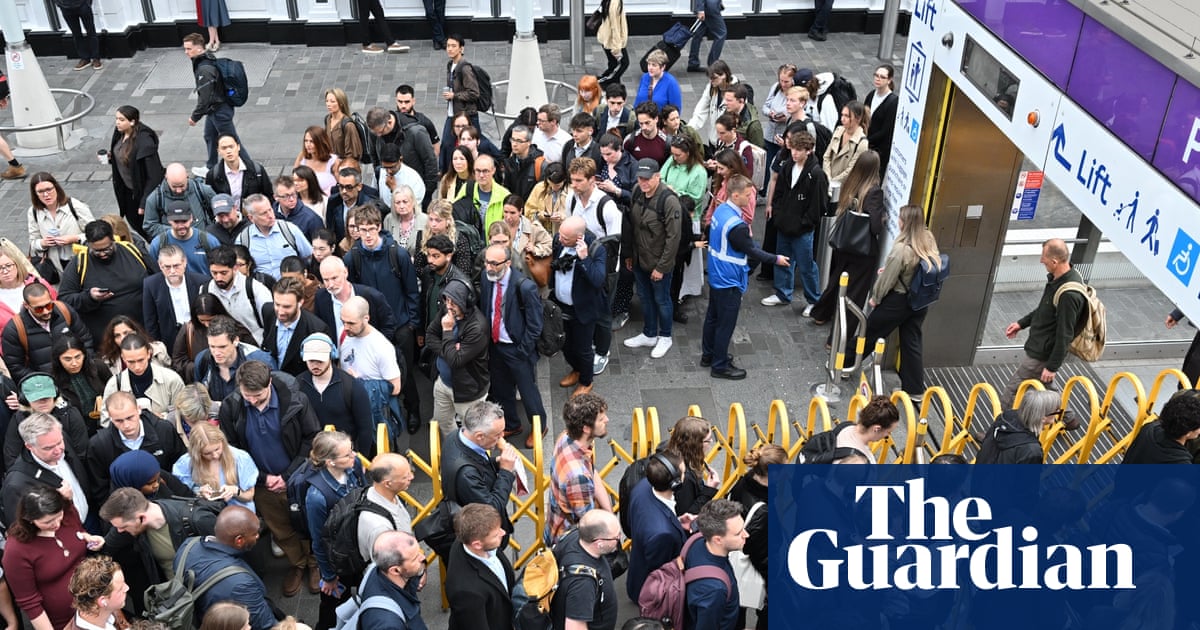
- Core Development: RMT union members have begun a 24-hour strike as negotiations over a proposed four-day working week remain stalled. While the Aslef union has accepted the offer, commuters face significant service disruptions across the network.
- Beat Context: Categorized under Transport with independent corroboration.
- Reporting Depth: 3 minute analytical read synthesized from verified newsroom sources.
The core of the disagreement lies in the introduction of a voluntary four-day working week. While TfL maintains that the shift pattern is intended to offer greater flexibility and improve work-life balance, the RMT has expressed concerns regarding the impact of condensed hours on fatigue and safety for those in safety-critical roles. The union has argued that the current proposals would result in excessively long shifts, advocating instead for a 32-hour work week to address these issues.
Disagreement remains sharp between the two primary unions representing the workforce. While the RMT is proceeding with the strike, the Aslef union—which represents a slight majority of tube drivers—has accepted the proposals. Aslef officials have described the offer as a positive step, suggesting it provides members with additional time off in exchange for minor adjustments to working conditions. An RMT spokesperson stated, We have a different perspective from Aslef.
Media additions
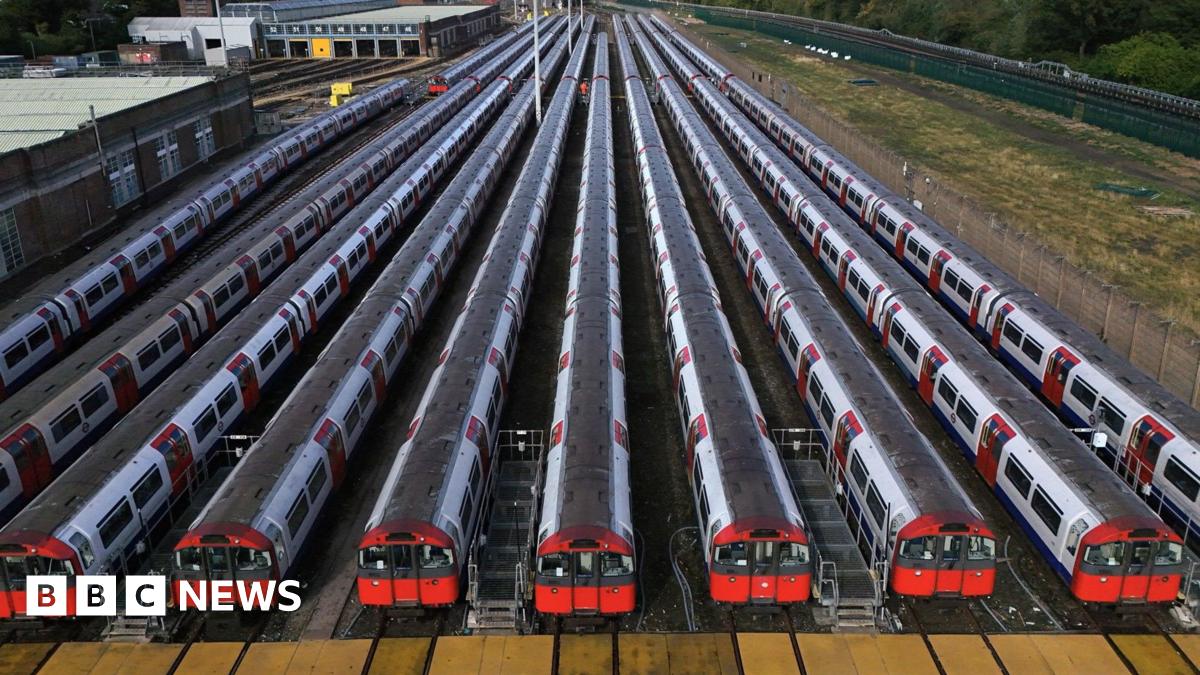
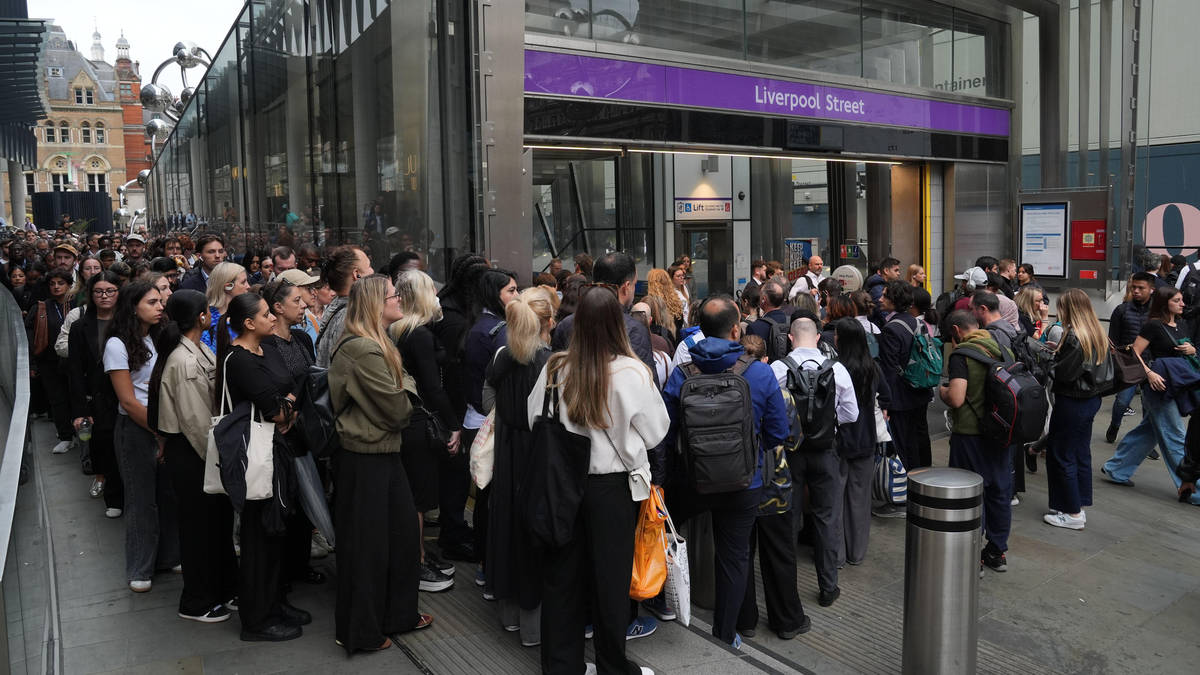
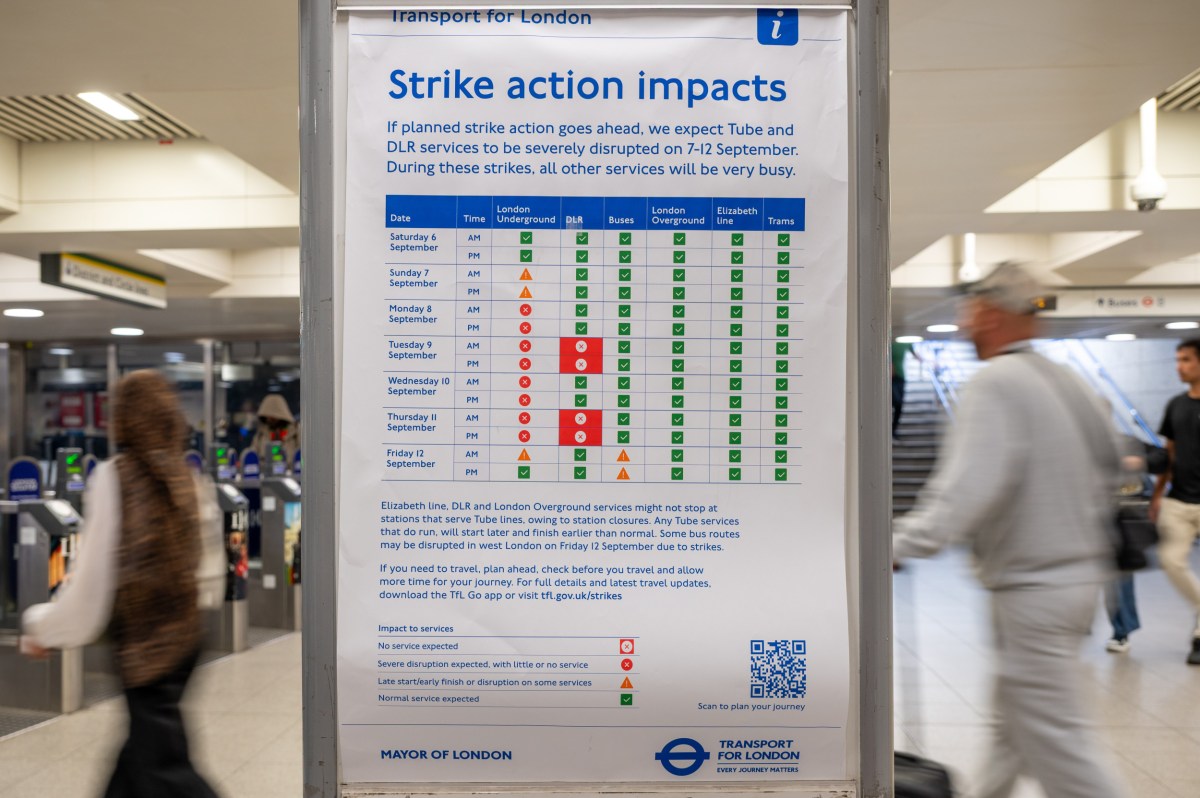
Operational Impact and Commuter Guidance
TfL has warned of severe disruption across the network, advising passengers to check for service updates before travelling. During the current action, only about half of all tube services are expected to run. The Elizabeth line, London Overground, and the Docklands Light Railway (DLR) are reported to be running as normal, though these services are anticipated to be significantly busier than usual as commuters seek alternatives to the underground.
The following table outlines key travel alternatives and current operational statuses during periods of industrial action:
| Service Type | Status During Strikes |
|---|---|
| London Underground | Severe disruption; reduced frequency or full suspension |
| Elizabeth Line | Operating as normal; high passenger volume |
| London Overground | Operating as normal; high passenger volume |
| Buses | Operating as normal; increased traffic and congestion |
| Cycling/Walking | Commonly utilised alternative; high demand for hire bikes |
Business groups have voiced frustration over the ongoing uncertainty, highlighting the strain placed on the local economy by repeated threats of industrial action. BusinessLDN noted that firms relying on foot traffic have faced tangible impacts through cancelled bookings and altered plans. Downing Street has called upon both the RMT and TfL to return to the negotiating table to reach a sustainable agreement, citing the necessity of consistent transport for Londoners attending school, work, and medical appointments.
Management and Union Perspectives
TfL’s chief operating officer, Claire Mann, addressed the concerns of the RMT, stating,
"Our proposals are, and have always been, clear. The completely voluntary four-day week has been designed to improve work-life balance and any of our tube drivers who do not wish to take up the new proposed way of working and associated changes to working arrangements can remain on a five-day working pattern."
Claire Mann, Chief Operating Officer, via The Guardian
Conversely, the RMT has maintained that its members feel the current management approach lacks meaningful engagement. An RMT spokesperson alleged a refusal to engage meaningfully
with the union regarding deep-seated concerns over shift lengths and safety. The union has indicated it remains available for further talks, though it insists that the current model for a four-day week is insufficient to address the needs of drivers.
The RMT currently holds a strike mandate that extends until late August, leaving the possibility of further industrial action open should negotiations remain deadlocked.
What to Watch Next
- Negotiation Status: Both parties have indicated a willingness to return to the table, though no firm dates for future discussions have been confirmed.
- Service Updates: TfL has requested that passengers monitor their official channels for real-time adjustments as staff availability fluctuates.
- Wider Labour Landscape: The contrast in positions between the RMT and Aslef regarding modernised working arrangements continues to be a central theme in ongoing sector discussions.
As the 24-hour walkout proceeds, Londoners are encouraged to plan ahead, with authorities suggesting that journeys be completed early in the day to mitigate the impact of reduced service levels as evening approaches.
How significant is this development?
Contribute your assessment to the aggregated reader sentiment ledger.
Frequently Asked Questions
Key questions answered in this reportWhat is the key development in: London Underground drivers begin 24-hour strike over shift patterns?
RMT union members have begun a 24-hour strike as negotiations over a proposed four-day working week remain stalled. While the Aslef union has accepted the offer, commuters face significant service disruptions across the network.
Why is this Transport development significant for the UK?
This report covers critical events in our Transport beat. Independent reporting monitors related UK statements, regulatory shifts, and public responses as further verified details emerge.
How was this reporting corroborated and verified?
Newsarchy UK compiles and cross-references reporting from primary reporting from bbc.co.uk and cross-checked wire reports. All coverage adheres to published editorial standards.
When was this report published?
This briefing was published on July 2, 2026 and is permanently cataloged in the Newsarchy UK Transport archives.


