Poland emerges as top European travel destination amid rising visitor numbers
Poland is gaining popularity as a travel destination due to its competitive pricing, modern infrastructure, and historical sites. The country offers a temperate alternative to Mediterranean hotspots while focusing on sustainable tourism.

- Core Development: Poland is gaining popularity as a travel destination due to its competitive pricing, modern infrastructure, and historical sites. The country offers a temperate alternative to Mediterranean hotspots while focusing on sustainable tourism.
- Beat Context: Categorized under Transport with independent corroboration.
- Reporting Depth: 3 minute analytical read synthesized from verified newsroom sources.
Poland has emerged as a premier European travel destination, recording consistent growth in visitor numbers as travellers increasingly look past traditional Western European hotspots. According to industry reports, the country is witnessing a surge in interest in 2026, driven by a combination of cultural heritage, modern infrastructure, and a cost advantage that differentiates it from more expensive, crowded destinations in the Mediterranean.
While nations like Spain, Italy, and France have historically dominated booking trends, Poland is rising to prominence as a competitive alternative. Despite being a member of the European Union, Poland is not part of the Eurozone, and the local currency, the Polish zloty, remains historically weaker against the euro, the dollar, and the British pound. This economic factor makes the country a budget-travel paradise
that offers experiences comparable to Western Europe at a significantly lower price point, according to the Nomadic Matt travel guide.
Media additions


Key Drivers of Growth
- Economic Value: Travellers are drawn to Poland’s affordability. Accommodation, dining, and transport remain budget-friendly, making the destination attractive for families, students, and long-term travellers.
- Accessibility: Government-led improvements in transport infrastructure — including well-connected international airports, modernized railway networks, and efficient domestic transport — have made regional travel more convenient, as reported by Travelandtourworld.
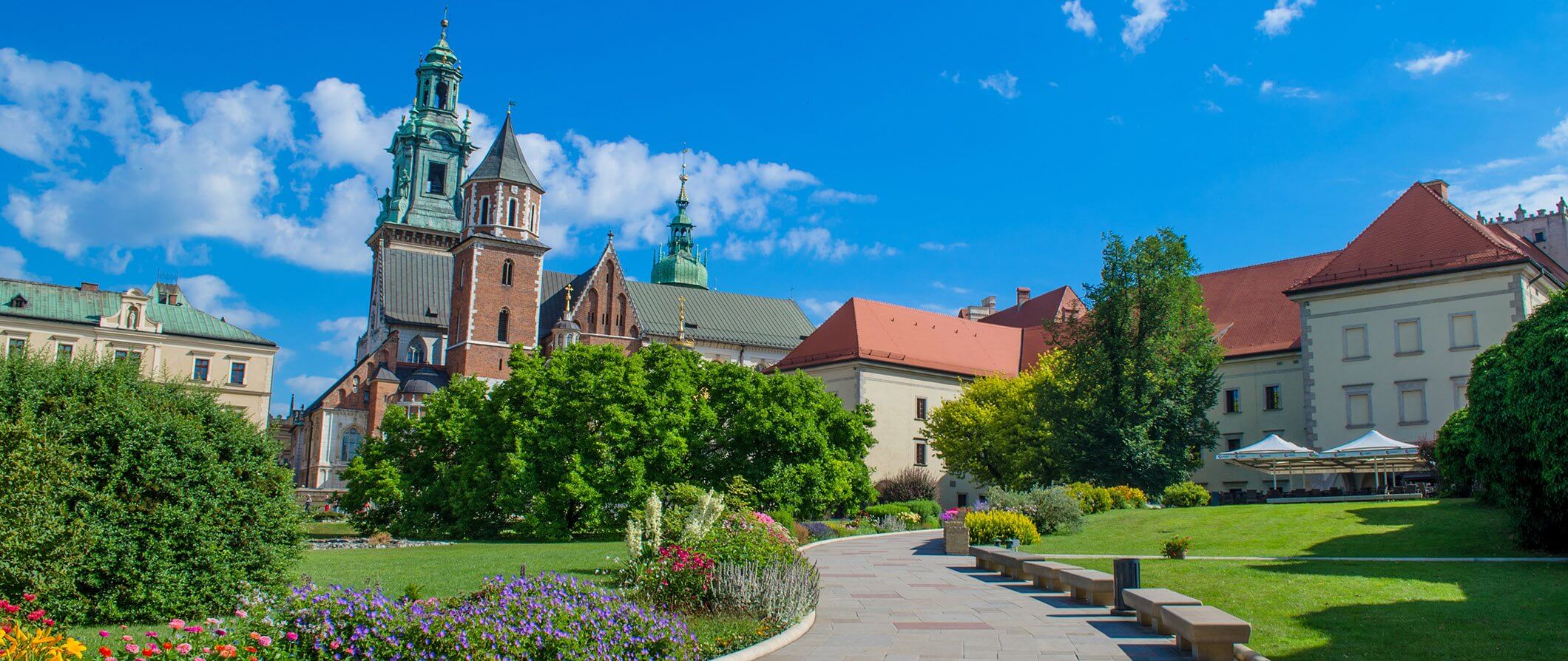
- Cultural Depth: From the medieval architecture of Kraków to the reconstructed Old Town of Warsaw, the country’s emphasis on immersive, history-focused tourism serves as a major draw.
- Climate Stability: Unlike Southern Europe, which has faced extreme heat and wildfire disruptions in recent years, Poland offers a temperate climate. This makes it an appealing option for those seeking to avoid the risks and intensity associated with the Mediterranean summer.
Urban Destinations and Natural Landscapes
Major cities remain the anchor of the Polish tourism experience. Kraków continues to attract history enthusiasts with its well-preserved medieval center, while Warsaw is increasingly recognized for its blend of contemporary architecture and post-war history. Other cities, such as Gdańsk, Wroclaw, and Toruń, provide diverse experiences ranging from maritime heritage to medieval settlement history. Beyond the urban centers, the country’s geography offers diverse experiences, ranging from the Tatra Mountains in the south, popular for hiking and skiing, to the Baltic coastline and the primeval Białowieża Forest in the east.
Sustainable Initiatives
Looking ahead, the Polish government is prioritizing sustainable tourism models to manage the influx of visitors. These policies focus on protecting heritage sites, promoting eco-friendly travel, and supporting local communities. Initiatives aim to disperse visitors across both popular sites and lesser-known regions, ensuring the long-term viability of the sector.
What to Watch Next
As the sector continues to evolve, industry observers expect the upward trend to continue. The focus remains on several areas that will shape the future of travel within the country:
| Focus Area | Outlook |
|---|---|
| Infrastructure | Ongoing development of rail and digital transport tools to simplify regional access. |
| Sustainable Growth | Policies aimed at reducing urban overcrowding by promoting rural and off-the-beaten-path destinations. |
| Market Positioning | Continued leveraging of cultural and heritage tourism to attract a global audience. |
For visitors, navigating the country remains straightforward. As Poland gains further recognition as a premier destination, it remains committed to balancing its rapid growth with the preservation of its historical and environmental landmarks.
How significant is this development?
Contribute your assessment to the aggregated reader sentiment ledger.
Frequently Asked Questions
Key questions answered in this reportWhat is the key development in: Poland emerges as top European travel destination amid rising visitor numbers?
Poland is gaining popularity as a travel destination due to its competitive pricing, modern infrastructure, and historical sites. The country offers a temperate alternative to Mediterranean hotspots while focusing on sustainable tourism.
Why is this Transport development significant for the UK?
This report covers critical events in our Transport beat. Independent reporting monitors related UK statements, regulatory shifts, and public responses as further verified details emerge.
How was this reporting corroborated and verified?
Newsarchy UK compiles and cross-references reporting from primary reporting from nomadicmatt.com and cross-checked wire reports. All coverage adheres to published editorial standards.
When was this report published?
This briefing was published on July 16, 2026 and is permanently cataloged in the Newsarchy UK Transport archives.