London transport faces travel chaos as Tube and bus strikes hit services
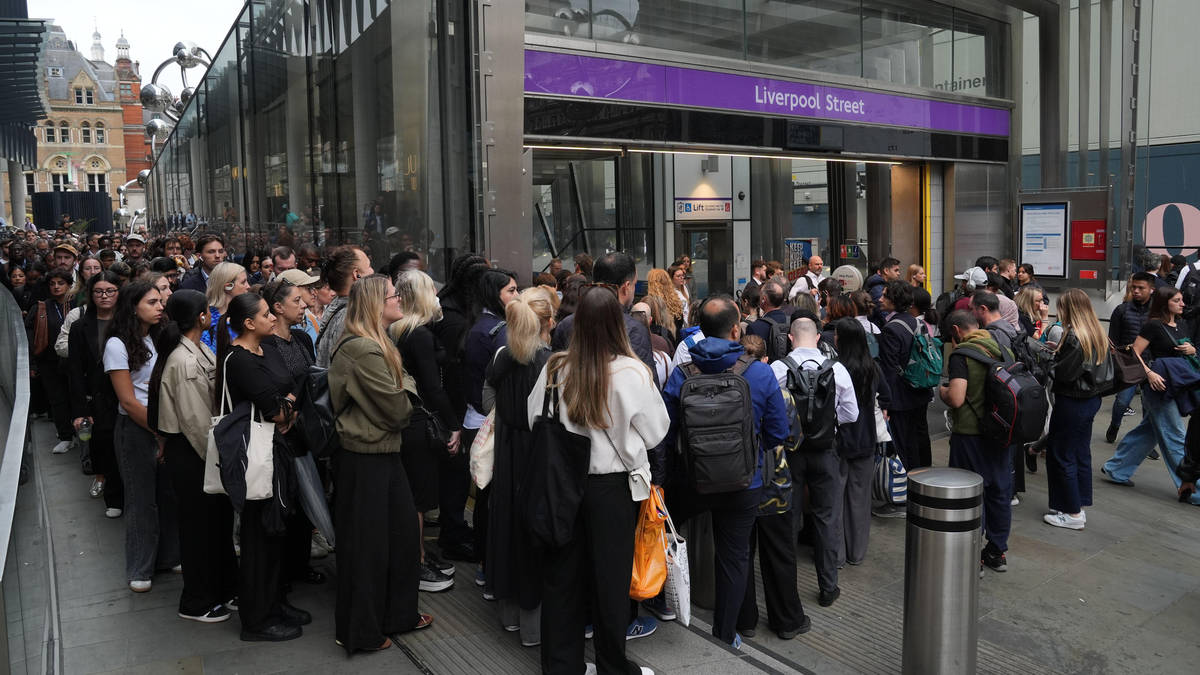
London faces travel disruption as industrial disputes on the Underground and East London bus routes lead to service suspensions and heavy overcrowding. Negotiations between unions and transport operators remain ongoing with no immediate resolution in sight.
- Core Development: London faces travel disruption as industrial disputes on the Underground and East London bus routes lead to service suspensions and heavy overcrowding. Negotiations between unions and transport operators remain ongoing with no immediate resolution in sight.
- Beat Context: Categorized under Transport with independent corroboration.
- Reporting Depth: 4 minute analytical read synthesized from verified newsroom sources.
London’s public transport network is facing a sustained period of turbulence as overlapping industrial disputes disrupt both the Underground and bus services. Commuters across the capital are navigating a complex environment of suspended lines, reduced capacities, and heavy crowding, with no immediate resolution in sight for the primary conflicts driving the action.
Tube network under pressure
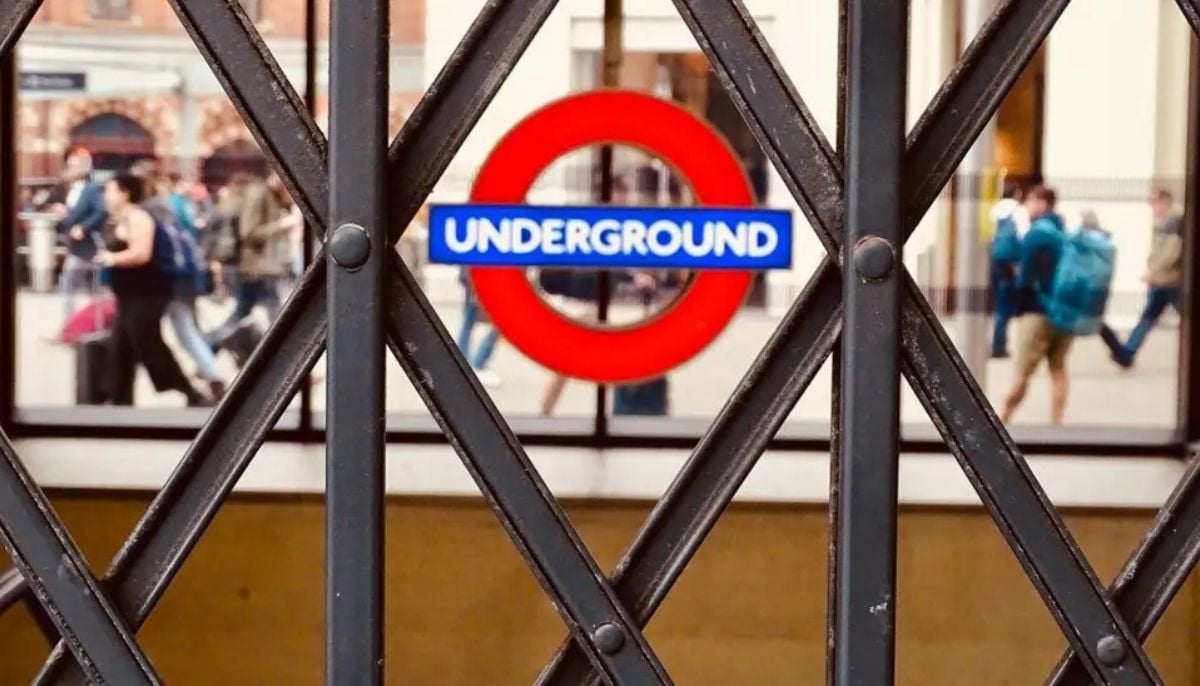
The London Underground is currently contending with a series of walkouts led by the Rail, Maritime and Transport (RMT) union. The dispute is anchored in a disagreement over proposed changes to working patterns for drivers, specifically the introduction of a voluntary four-day working week structure. While Transport for London (TfL) maintains that the plan is intended to provide greater flexibility and modernize scheduling without reducing contractual pay, the RMT has expressed significant reservations.
Media additions


"We have approached negotiations with TfL in good faith… TfL seem unwilling to make any concessions."
Union leadership, RMT, via MoPawa
The union argues that the proposed model risks increasing driver fatigue and failing to provide adequate support for workload distribution. Consequently, the network has been subject to a pattern of 24-hour walkouts, often staggered to impact consecutive morning and afternoon peaks. This has resulted in what observers describe as an aftershock effect
, where service recovery lags behind the formal conclusion of a strike period, leaving parts of the network shuttered or severely limited for days at a time.
Bus strikes targeting East London
Parallel to the rail disputes, a separate conflict involving bus drivers represented by Unite the Union has concentrated disruption in East London. The dispute involves operators at the Bow Bus Garage, managed by the East London Bus & Coach Company, a subsidiary of Stagecoach. The central issue is reported as an escalation of driver fatigue linked to current scheduling frameworks.
Drivers allege that new rotas have eliminated necessary buffer times and now require them to complete lengthy shifts without adequate access to depot-based meal breaks or proper sanitary facilities. Union officials have described the current conditions as a dangerous escalation
of stress, leading to reports of near-miss incidents. Unite General Secretary Sharon Graham has been vocal in her criticism of the employer’s approach.
"Our members at Bow bus garage should not be risking their lives just to go to work. The situation is appalling, not just for workers but the general public. Stagecoach needs to take drivers’ concerns seriously and act immediately."
Sharon Graham, General Secretary, Unite the Union, via East London Times
Stagecoach has defended its record, asserting that its scheduling adheres to established legal frameworks and agreements. A corporate spokesperson stated that the company remains open to discussions and has emphasized that safety is the primary priority, noting that drivers are encouraged to report if they feel unfit to operate a vehicle.
Navigating the disruption
For those traveling during these periods of industrial action, the capital's connectivity is heavily strained. While the Elizabeth Line and London Overground often operate independently of Tube-driver specific walkouts, they have faced extreme passenger demand, leading to significant crowding at major interchange stations. The London Bus Pal guide notes that while most bus routes remain unaffected by Tube-specific action, those that parallel closed underground lines frequently suffer from extreme overcrowding.
TfL has encouraged commuters to utilize digital travel planners and, where possible, shift towards cycling or walking for shorter journeys. The use of Santander Cycles has seen a noticeable increase during strike days as commuters seek alternatives to packed buses and stationary rail lines. Other services, such as the Uber Boat by Thames Clippers, have remained operational, though they are not subject to the same fare capping as the wider TfL network.
What to watch next
- Negotiation progress: Downing Street has publicly urged both the RMT and TfL to return to the negotiating table, citing the frustration of passengers trying to reach workplaces, schools, and healthcare appointments.
- Future strike waves: Additional strike action is currently scheduled into June 2026, with further walkouts anticipated if arbitration fails to bridge the gap between union demands and current operating budgets.
- Contractual reviews: The ongoing bus dispute has prompted calls for a broader re-evaluation of how fatigue clauses are structured within private operating contracts across the TfL network.
The situation represents a wider tension within the city's transport infrastructure, balancing the necessity of reliable service against the evolving demands of a workforce operating under high-pressure conditions. With negotiations currently stalled on multiple fronts, transport users are advised to verify their routes via TfL’s official disruption guides before attempting to travel.
How significant is this development?
Contribute your assessment to the aggregated reader sentiment ledger.
Frequently Asked Questions
Key questions answered in this reportWhat is the key development in: London transport faces travel chaos as Tube and bus strikes hit services?
London faces travel disruption as industrial disputes on the Underground and East London bus routes lead to service suspensions and heavy overcrowding. Negotiations between unions and transport operators remain ongoing with no immediate resolution in sight.
Why is this Transport development significant for the UK?
This report covers critical events in our Transport beat. Independent reporting monitors related UK statements, regulatory shifts, and public responses as further verified details emerge.
How was this reporting corroborated and verified?
Newsarchy UK compiles and cross-references reporting from primary reporting from mopawa.com and cross-checked wire reports. All coverage adheres to published editorial standards.
When was this report published?
This briefing was published on July 15, 2026 and is permanently cataloged in the Newsarchy UK Transport archives.