TfL warns of severe Tube disruption as RMT plans strike
Transport for London is bracing for severe service cuts as the RMT union launches a rolling strike over pay and working hours. Major travel disruption is expected across all Underground lines and the DLR.
- Core Development: Transport for London is bracing for severe service cuts as the RMT union launches a rolling strike over pay and working hours. Major travel disruption is expected across all Underground lines and the DLR.
- Beat Context: Categorized under Transport with independent corroboration.
- Reporting Depth: 3 minute analytical read synthesized from verified newsroom sources.
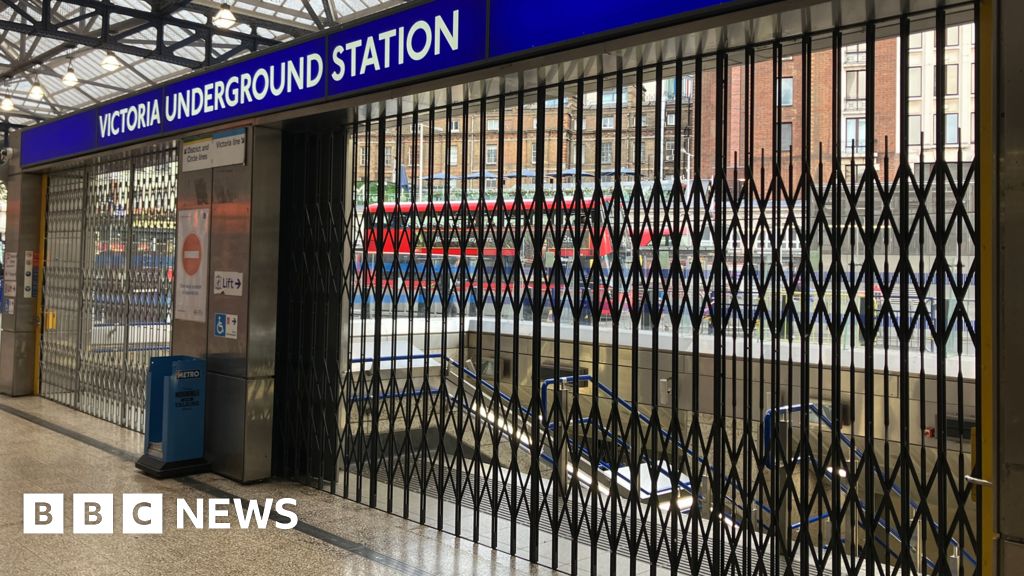
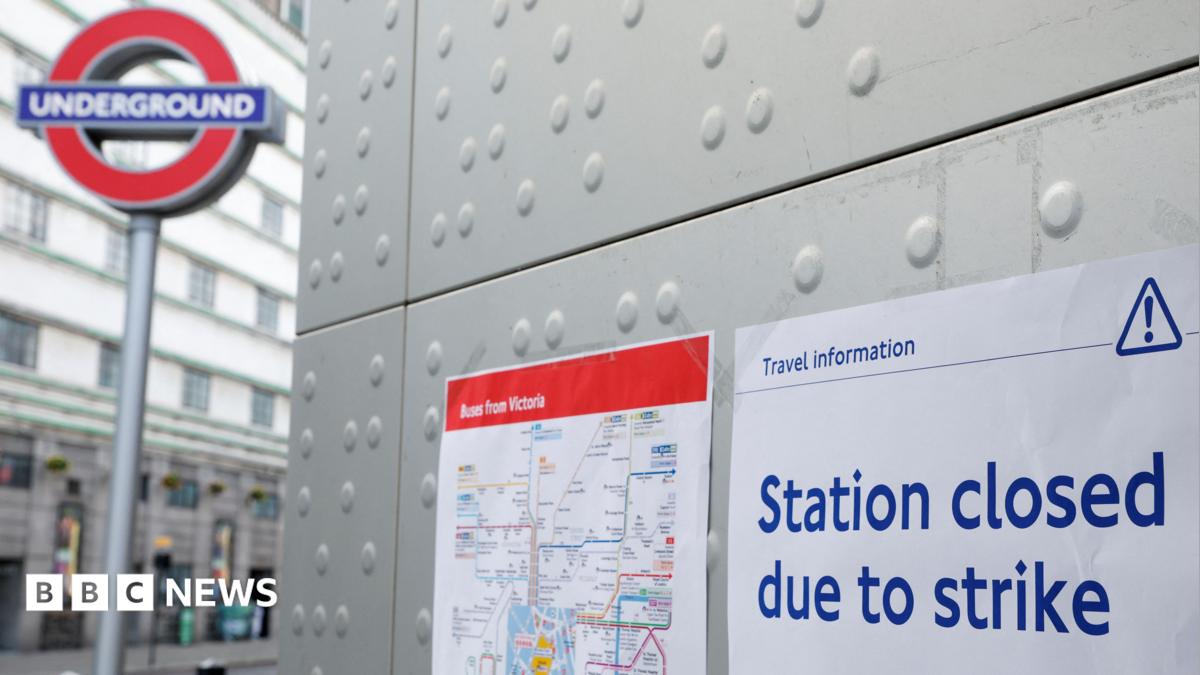
Transport for London has confirmed that a rolling programme of strike action by the Rail, Maritime and Transport (RMT) union is set to cause severe disruption across the capital’s network from Sunday 7 September to Thursday 11 September.
The agency anticipates that the industrial action will result in limited services on Sunday, followed by little or no service across the entire Underground network from Monday 8 September through Thursday 11 September. The Docklands Light Railway is also facing separate strike action, with no service expected on Tuesday 9 September and Thursday 11 September. While the Elizabeth line, London Overground, and tram networks are expected to remain in operation, Transport for London has warned that these services will likely be extremely busy as passengers seek alternative routes.
Media additions

The dispute centres on pay and working conditions, with the RMT union seeking a shorter working week and addressing concerns regarding fatigue and shift rotations. Transport for London has offered a 3.4 per cent pay increase, which it describes as fair and in line with recent rail industry deals. However, this offer does not address the union’s demand for a reduced working week.
"We are disappointed that the RMT union has announced strike action."
Claire Mann, TfL's Chief Operating Officer
Claire Mann stated that while the agency is open to discussing fatigue and rostering, it maintains that a reduction in the contractual working week is not feasible. She further noted that the agency has made progress on previous commitments and continues to urge the union to accept the current pay offer to avoid disrupting Londoners.
RMT General Secretary Eddie Dempsey stated that members are facing serious issues regarding fatigue and strenuous shift patterns. He remarked that the union is not seeking a king's ransom, but rather a response to conditions that he argues have not been adequately addressed. He added that an atmosphere of distrust has emerged, leaving members feeling unheard.
The disruption has already influenced the city’s major events calendar. Coldplay has rescheduled two performances at Wembley Stadium, moving them from Sunday 7 September and Monday 8 September to Saturday 6 September and Friday 12 September. The band stated that it was impossible to transport 82,000 fans to the venue safely without the use of the Tube. Post Malone has similarly rescheduled two performances at Tottenham Hotspur Stadium.
Beyond the rail network, First Bus drivers in west, northwest, and southwest London have announced separate strike action from Thursday 11 September to Sunday 14 September, which is likely to impact dozens of bus routes. Transport for London advises passengers to plan journeys in advance, check for the latest updates before travelling, and consider walking or cycling where possible.
Economic analysts have highlighted the potential impact of the strikes. The Centre for Economics and Business Research has estimated that the industrial action could result in a direct economic cost of approximately £230 million, with a projected loss of 700,000 working days. BusinessLDN has expressed concern that the strikes will hit economic growth, particularly within the retail and hospitality sectors.
Negotiations between the union and transport officials remain ongoing, with both sides continuing to hold discussions in an effort to reach a resolution. Unless a settlement is reached, the city faces significant travel challenges throughout the upcoming week.
How significant is this development?
Contribute your assessment to the aggregated reader sentiment ledger.
Frequently Asked Questions
Key questions answered in this reportWhat is the key development in: TfL warns of severe Tube disruption as RMT plans strike?
Transport for London is bracing for severe service cuts as the RMT union launches a rolling strike over pay and working hours. Major travel disruption is expected across all Underground lines and the DLR.
Why is this Transport development significant for the UK?
This report covers critical events in our Transport beat. Independent reporting monitors related UK statements, regulatory shifts, and public responses as further verified details emerge.
How was this reporting corroborated and verified?
Newsarchy UK compiles and cross-references reporting from primary reporting from tfl.gov.uk and cross-checked wire reports. All coverage adheres to published editorial standards.
When was this report published?
This briefing was published on July 2, 2026 and is permanently cataloged in the Newsarchy UK Transport archives.