Trump hails second night of US strikes on Iran as retribution
U.S. forces conducted a wide-ranging offensive against Iranian military infrastructure following attacks on commercial shipping. The IRGC retaliated with strikes against U.S. bases in Kuwait and Bahrain.
Trump hails second night of US strikes on Iran as retribution
EXECUTIVE BRIEFKey Takeaways & Signal
Core Development: U.S. forces conducted a wide-ranging offensive against Iranian military infrastructure following attacks on commercial shipping. The IRGC retaliated with strikes against U.S. bases in Kuwait and Bahrain.
Beat Context: Categorized under Transport with independent corroboration.
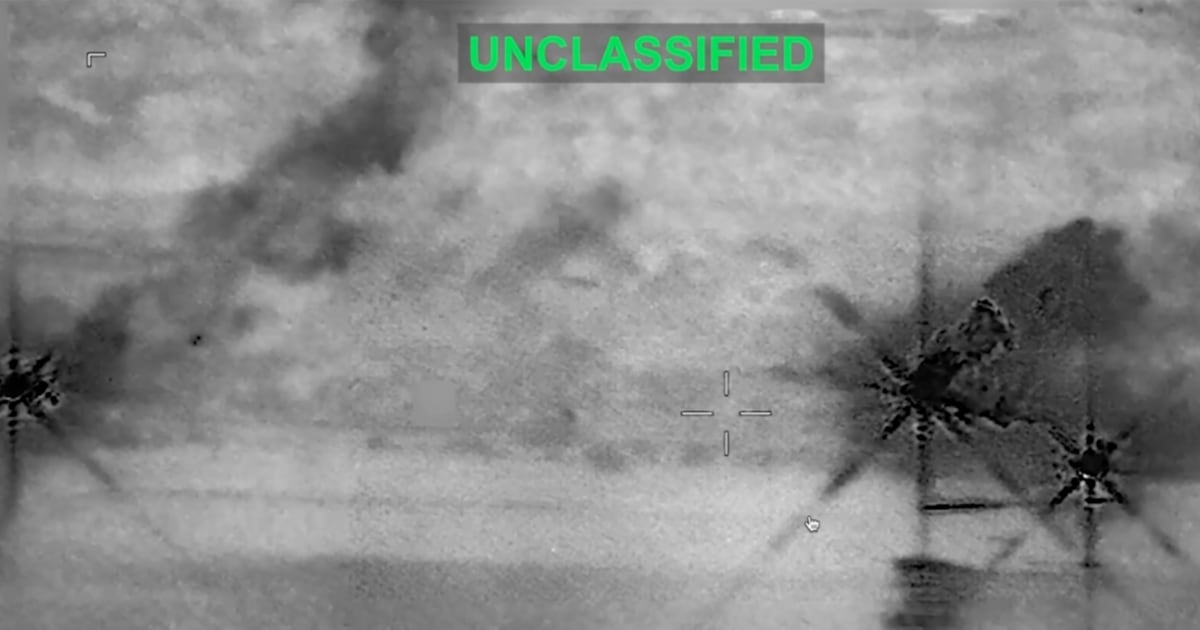
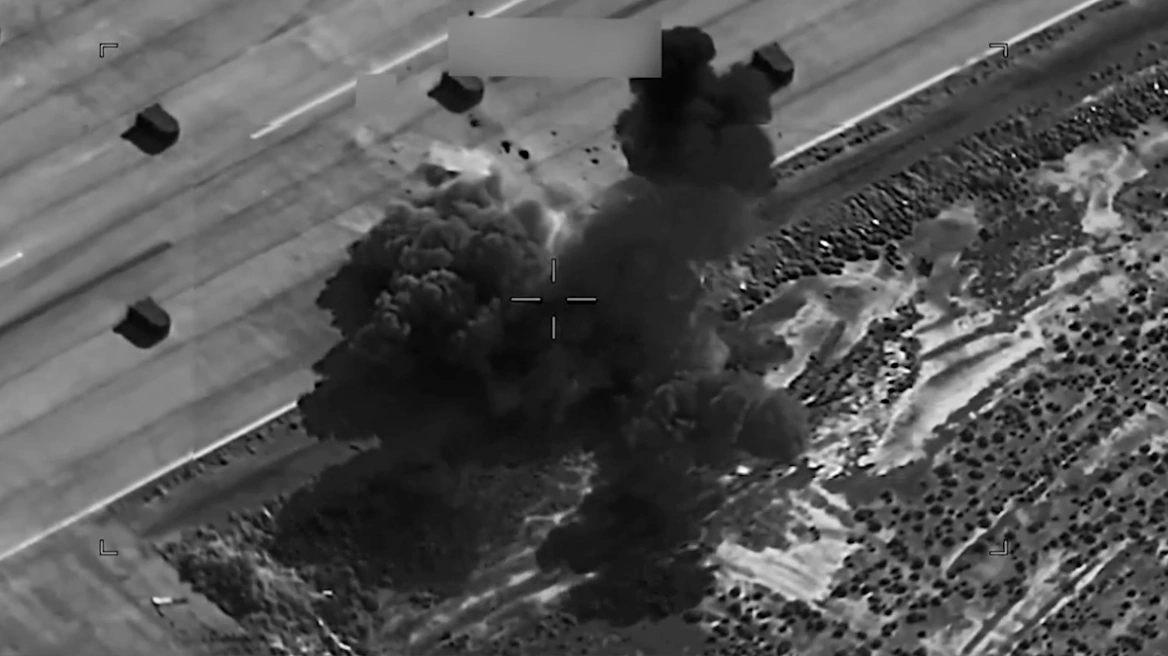
U.S. Forces conducted a wide-ranging offensive against Iranian military infrastructure, launching strikes against 90 targets one day after a previous operation hit 80 locations. U.S. Central Command confirmed the strikes focused on air defence systems, coastal surveillance assets, missile and drone storage sites, naval capabilities, and military logistics infrastructure along the Iranian coastline. The military stated the operation aimed to further degrade Iran’s capacity to threaten freedom of navigation in the Strait of Hormuz.
President Donald Trump described the military action as retribution for Iranian attacks on commercial vessels in the strait. Posting on Truth Social, the president warned:
"This is in retribution for yesterday's bombing of ships by Iran. If it happens again, it will get much worse!"
Media additions
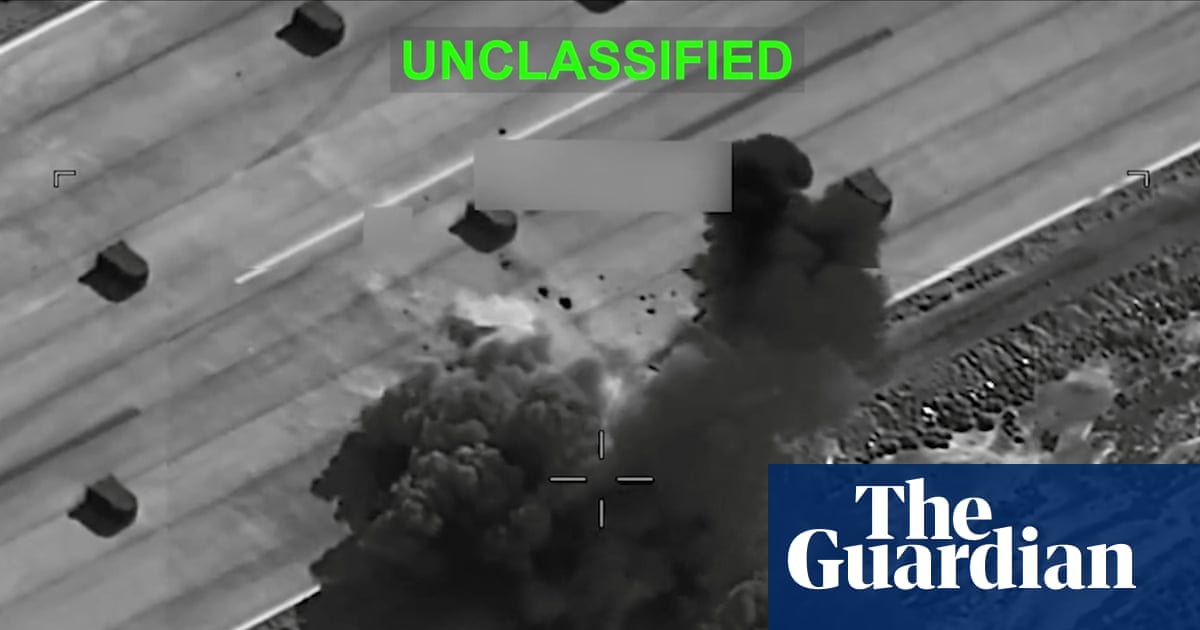
Image via nbcnews.comImage via en.protothema.grImage via theguardian.com
The U.S. Military reported that the latest strikes were broader in scope than the previous day’s operations. Reports indicate that inland targets were hit, including an international airport in the city of Iranshahr. Iranian state media confirmed the death of a firefighter at the Iranshahr airport during the attack. Additionally, explosions were reported in the port cities of Bandar Abbas, Sirik, and Chabahar. In Chabahar, damage to a maritime traffic control tower and a temporary power outage were observed. The Bushehr nuclear power plant did not sustain any damage during today's U.S military strikes, which did hit other parts of the city, the semiofficial Mehr News agency said.
In response to the U.S. Operations, the Islamic Revolutionary Guard Corps (IRGC) retaliated with drone and missile strikes against U.S. Bases in Kuwait and Bahrain. The IRGC identified the targeted installations as the Arifjan and Ali Al Salem bases in Kuwait, and the Juffair and Sheikh Isa bases in Bahrain. Regional authorities responded to the escalation by issuing safety alerts; the Bahraini Interior Ministry urged citizens and residents to remain calm and head to the nearest safe place, while Kuwait’s army reported it was intercepting incoming projectiles. The IRGC warned that further U.S. Military action would lead to an expansion of responses to other American bases across the region.
President Trump declared the ceasefire “over” at the NATO summit in Ankara, Turkey. He told reporters on Air Force One that the conflict is not a war but a “de-nuking of Iran,” emphasizing the goal of preventing Tehran from obtaining nuclear weapons. Despite the ongoing hostilities, Trump claimed that Iranian officials had contacted him seeking a deal, though he questioned whether they were worthy of reaching an agreement.
Shipping and international maritime authorities have expressed concern over the human and economic costs of the renewed conflict. Arsenio Domínguez, secretary-general of the International Maritime Organization, stated:
"These reckless attacks have again placed innocent seafarers in grave danger. No seafarer should have to risk their life simply for doing their job."
The agency estimates that approximately 6,000 seafarers remain trapped in the vicinity of the Strait of Hormuz.
Diplomatic rhetoric remains sharp. Iranian Foreign Minister Abbas Araghchi rejected U.S. Language regarding the regime, posting on X:
"Addressing the Civilized and Courageous Nation of Iran with derogatory language does not diminish its Greatness. Iranians are known for their civility, culture, and strong moral values. We do not answer vulgarity with vulgarity, but with action: fearlessly and with great valor."
Similarly, Parliament speaker Mohammad Bagher Ghalibaf asserted that the Strait of Hormuz would only reopen under “Iranian arrangements,” stating: “America still has not learned that bullying and breaking its commitments no longer come without consequences. The Strait of Hormuz will remain open only through Iranian arrangements, not through American threats.”
The U.S. Military maintains a presence in the region, with U.S. Central Command emphasizing its commitment to holding Iran accountable for actions against commercial shipping.
READER INTELLIGENCE PULSE
How significant is this development?
Contribute your assessment to the aggregated reader sentiment ledger.
Click an option to register your anonymous assessment.
Frequently Asked Questions
Key questions answered in this report
What is the key development in: Trump hails second night of US strikes on Iran as retribution?
U.S. forces conducted a wide-ranging offensive against Iranian military infrastructure following attacks on commercial shipping. The IRGC retaliated with strikes against U.S. bases in Kuwait and Bahrain.
Why is this Transport development significant for the UK?
This report covers critical events in our Transport beat. Independent reporting monitors related UK statements, regulatory shifts, and public responses as further verified details emerge.
How was this reporting corroborated and verified?
Newsarchy UK compiles and cross-references reporting from primary reporting from en.protothema.gr and cross-checked wire reports. All coverage adheres to published editorial standards.
When was this report published?
This briefing was published on July 10, 2026 and is permanently cataloged in the Newsarchy UK Transport archives.