London hit by floods and fires after intense overnight thunderstorms
Severe thunderstorms swept across London, submerging transport hubs such as Heathrow Airport and triggering lightning strikes that ignited homes.
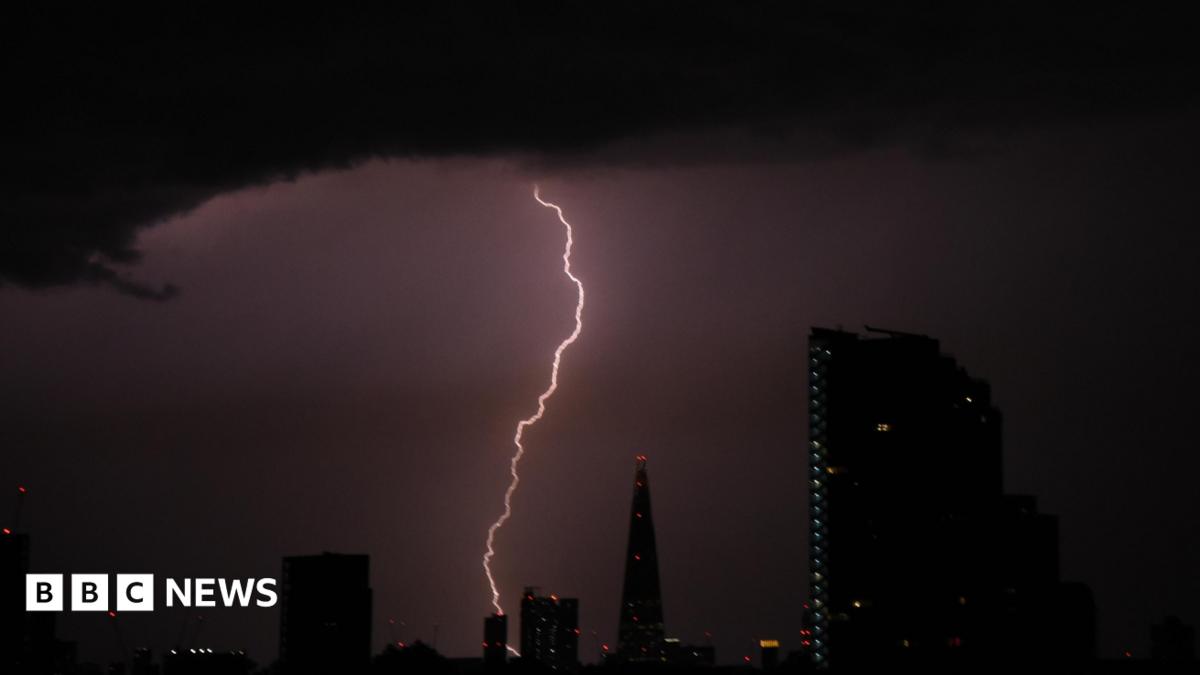
- Core Development: Severe thunderstorms swept across London, submerging transport hubs such as Heathrow Airport and triggering lightning strikes that ignited homes.
- Beat Context: Categorized under Weather with independent corroboration.
- Reporting Depth: 4 minute analytical read synthesized from verified newsroom sources.
London was hammered by an intense thunderstorm that swept across the capital in the early hours of Tuesday, unleashing a torrent of rain, a surge of lightning and flash‑flooding that left commuters stranded, homes soaked and two houses ablaze.
Storm timeline
From just before 3 a.m. The storm began to roll in from the south‑west, its fast‑moving cell lingering over the city for more than two hours. Between 3 a.m. And 5 a.m. Lightning forked over south‑west London, striking areas such as Tooting and Enfield and tearing roofs from houses. By 5 a.m. Floodwaters had risen on roads in Ruislip, Uxbridge, Raynes Park and along the stretch from the Polish War Memorial to Ruislip, submerging Ruislip Manor station. At 6 a.m. The arrivals level of Heathrow’s Terminal 2/3 and Terminal 4 were inundated, forcing a temporary suspension of the Elizabeth line between the terminals. The next hour saw London Tramlink suspend services between Sandilands and Beckenham Junction, while Balham station briefly closed before reopening as water receded.
Media additions
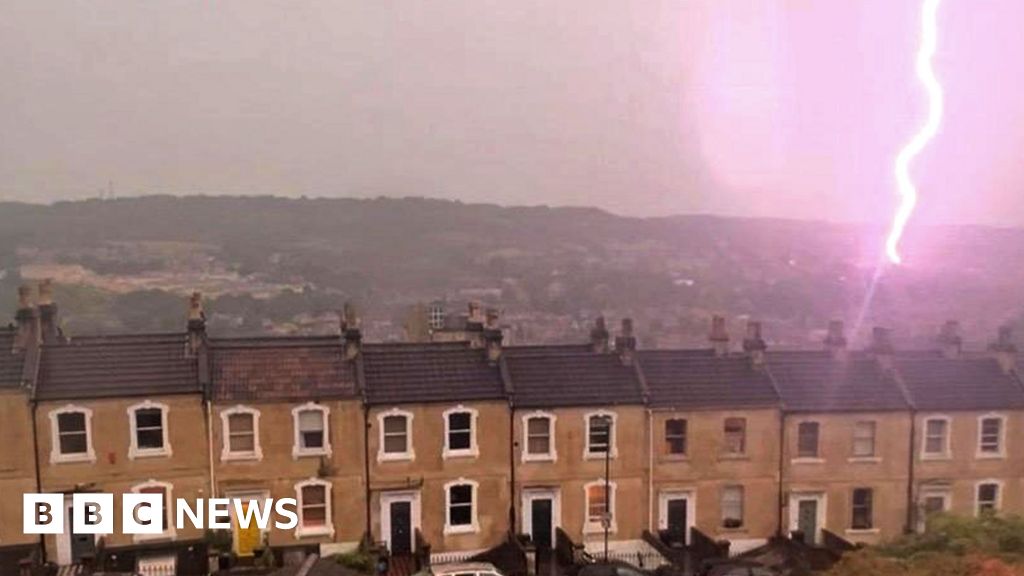

Social‑media eyewitnesses captured the on‑the‑ground chaos. One user on X wrote, “I’ve not seen anything like this in years in London,” while another added, “The whole road from the Polish War Memorial up to Ruislip was basically under water. Ruislip Manor station also flooded.” Both posts were accompanied by video footage of streets turned into rivers.
Scale of the lightning
A catastrophe modeler and meteorologist on X claimed “almost 3,000 strikes recorded in the last two hours alone.” The Met Office’s own lightning map showed “hundreds more strikes across London between around 3 am and 6 am.” In total the agency logged 29,074 flashes across England in the 24 hours to 9 a.m. On Tuesday, with 18,540 of those over Somerset. The Standard and inkl both reported the national total as “around 29,000” strikes.
The sheer frequency of cloud‑to‑ground fork lightning was described in the Bbc’s coverage as “spectacular,” noting that while such numbers are not unheard of after a hot, humid day, the intensity of this event was extraordinary.
Transport chaos
Heathrow’s flooding forced the Elizabeth line and Heathrow Express to halt services for several minutes, though both have since resumed normal operations. T4 services were temporarily terminated at Hayes and Harlington and West Drayton, creating “chaos for many trying to catch early flights,” according to Inkl.
Beyond the airport, the storm battered other parts of the transport network. The London Tramlink suspended the line between Sandilands and Beckenham Junction until floodwater could be cleared. Balham station closed briefly, while Balham’s reopening was reported by the BBC. Roads in Twickenham, Richmond, Raynes Park and other suburbs were swamped, prompting the London Fire Brigade to warn drivers that as little as 30 cm of moving water can float a car.
Fire brigade response
London Fire Brigade (LFB) logged roughly 400 emergency calls from midnight onward, most of them relating to flooded homes and roadways. The brigade activated its high‑volume call procedure and temporarily launched Operation Willow Beck to redirect surplus 999 calls to other control rooms.
Two house fires – one in Wilde Place, Tooting and another in Enfield – were “suspected to have been triggered by lightning strikes.” LFB Assistant Commissioner Pat Goulbourne said:
“It has been a very busy night for our control officers, firefighters and officers. Whilst the worst of the rain now seems to have passed, we continue to work through outstanding calls as well as receive new incidents as Londoners wake to see the damage caused by the storms overnight.”
LFB Assistant Commissioner Pat Goulbourne, via BBC
Images released by LFB showed a large hole in the roof of the Tooting house, though no injuries were reported. A second lightning‑induced fire in Enfield also caused roof damage.
Meteorological backdrop
Forecasters explain that the storm’s ferocity stemmed from a “very warm if not hot” afternoon across southern England on Monday, with temperatures climbing into the high 20s and low 30s °C. This heat transferred energy into the lower atmosphere, priming it for a trigger. An upper‑level atmospheric disturbance then acted as that trigger, releasing the stored energy and spawning towering cumulonimbus clouds that produced the intense thunderstorms.
BBC and Yahoo reports note that while thunderstorms were forecast to track east across southern England, the exact location and intensity of the storms always carries some uncertainty. The combination of extreme heat, high humidity and the atmospheric disturbance created the perfect recipe for
How significant is this development?
Contribute your assessment to the aggregated reader sentiment ledger.
Frequently Asked Questions
Key questions answered in this reportWhat is the key development in: London hit by floods and fires after intense overnight thunderstorms?
Severe thunderstorms swept across London, submerging transport hubs such as Heathrow Airport and triggering lightning strikes that ignited homes.
Why is this Weather development significant for the UK?
This report covers critical events in our Weather beat. Independent reporting monitors related UK statements, regulatory shifts, and public responses as further verified details emerge.
How was this reporting corroborated and verified?
Newsarchy UK compiles and cross-references reporting from primary reporting from bbc.com and cross-checked wire reports. All coverage adheres to published editorial standards.
When was this report published?
This briefing was published on July 7, 2026 and is permanently cataloged in the Newsarchy UK Weather archives.


