Met Office issues yellow thunderstorm warning for 42 regions across UK
The Met Office has issued a yellow thunderstorm warning for 42 regions across the UK following a period of extreme heat. Storms bring risks of flooding.

- Core Development: The Met Office has issued a yellow thunderstorm warning for 42 regions across the UK following a period of extreme heat. Storms bring risks of flooding.
- Beat Context: Categorized under Weather with independent corroboration.
- Reporting Depth: 3 minute analytical read synthesized from verified newsroom sources.
The Met Office has issued a yellow thunderstorm warning for 42 regions across the UK, signaling a volatile shift in weather patterns as intense, localised storms move across the country. The warning encompasses a wide swath of territory including the East Midlands, East of England, London, South East England, North West England, South West England, West Midlands, and Yorkshire and Humber.
This weather alert arrives following a period of extreme heat, which meteorologists identify as a primary catalyst for the current instability. The transition from stagnant, high-temperature conditions to convective storm activity is expected to bring frequent lightning, large hail, and gusty winds. The Met Office has cautioned that while many areas may escape the worst of the weather, isolated storms could deliver up to 30mm of rain in less than an hour, creating an immediate risk of surface water flooding.
Media additions


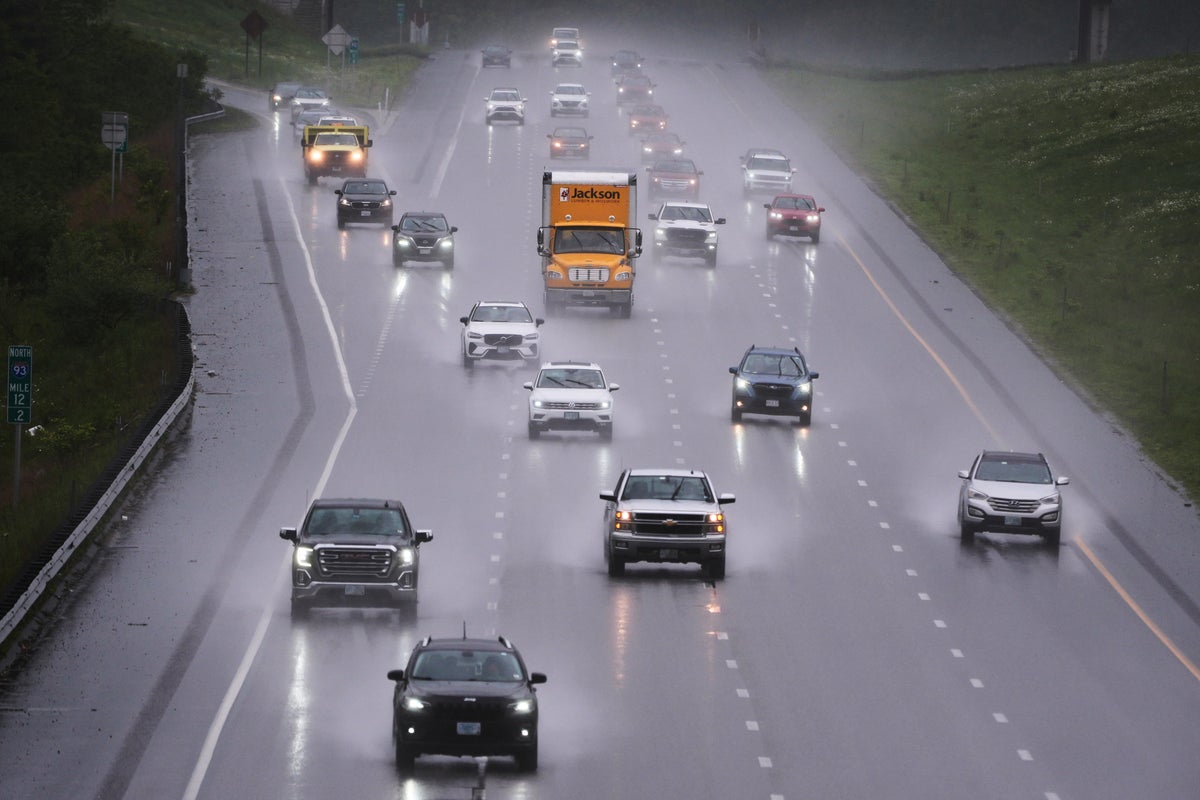
The impact of these storms extends beyond residential flooding. Transport networks, including rail and bus services, face potential delays and cancellations. Drivers are warned to expect difficult conditions due to spray and sudden inundation of roadways. Furthermore, the Met Office has highlighted infrastructure vulnerabilities, specifically warning that lightning strikes and severe weather could lead to power cuts for homes and businesses. Those in areas identified as prone to flash flooding are encouraged to review their emergency flood plans and prepare kits in advance of the storm systems.
Current Atmospheric Conditions
In Scotland, the impact has already been felt. During the early hours of Friday, an electrical storm moved across the Central Belt, with residents in Glasgow and Edinburgh describing lightning strikes as frequent and intense. The Scottish Environment Protection Agency has issued flood alerts for nearly every region of Scotland, noting the potential for rising water levels in small streams and urban areas.
The erratic nature of these storms means that impact varies significantly by location. As reported by the Independent, some regions may experience 20 to 40mm of rainfall within a two-hour window. Simon Partridge, a forecaster at the national weather service, noted that this volume of water is roughly equivalent to half a month’s worth of rain falling in a brief period.
Regional Outlook and Preparation
According to the International Business Times, the storm systems are tracking northwards, meaning the list of affected areas remains subject to change as the front evolves. Official guidance suggests that citizens should stay informed through local forecasts, as yellow warnings may be updated or escalated if the system intensifies.
For those living in the path of the incoming weather, the following precautions are advised:
- Transport: Expect poor visibility and surface water; avoid non-essential travel during peak storm activity.
- Power: Secure outdoor items that may be displaced by gusty winds and keep emergency lighting available in the event of grid disruption.
- Property: Clear external drainage where possible and monitor local flood alert status.
Looking ahead, the Met Office anticipates that high pressure will eventually return to dominate the landscape of England and Wales. By mid-July, conditions are expected to become more settled and dry, though the agency notes that lower confidence levels exist regarding the persistence of these patterns. For the immediate future, however, the emphasis remains on vigilance as the country navigates the aftermath of extreme temperatures and the ongoing threat of convective storms.
How significant is this development?
Contribute your assessment to the aggregated reader sentiment ledger.
Frequently Asked Questions
Key questions answered in this reportWhat is the key development in: Met Office issues yellow thunderstorm warning for 42 regions across UK?
The Met Office has issued a yellow thunderstorm warning for 42 regions across the UK following a period of extreme heat. Storms bring risks of flooding.
Why is this Weather development significant for the UK?
This report covers critical events in our Weather beat. Independent reporting monitors related UK statements, regulatory shifts, and public responses as further verified details emerge.
How was this reporting corroborated and verified?
Newsarchy UK compiles and cross-references reporting from primary reporting from ibtimes.co.uk and cross-checked wire reports. All coverage adheres to published editorial standards.
When was this report published?
This briefing was published on July 4, 2026 and is permanently cataloged in the Newsarchy UK Weather archives.