Strait of Hormuz ship attacks keep fuel prices elevated as tensions mount
Ongoing maritime disruptions in the Strait of Hormuz continue to drive up global fuel prices as merchant shipping faces severe risks and rising insurance costs.
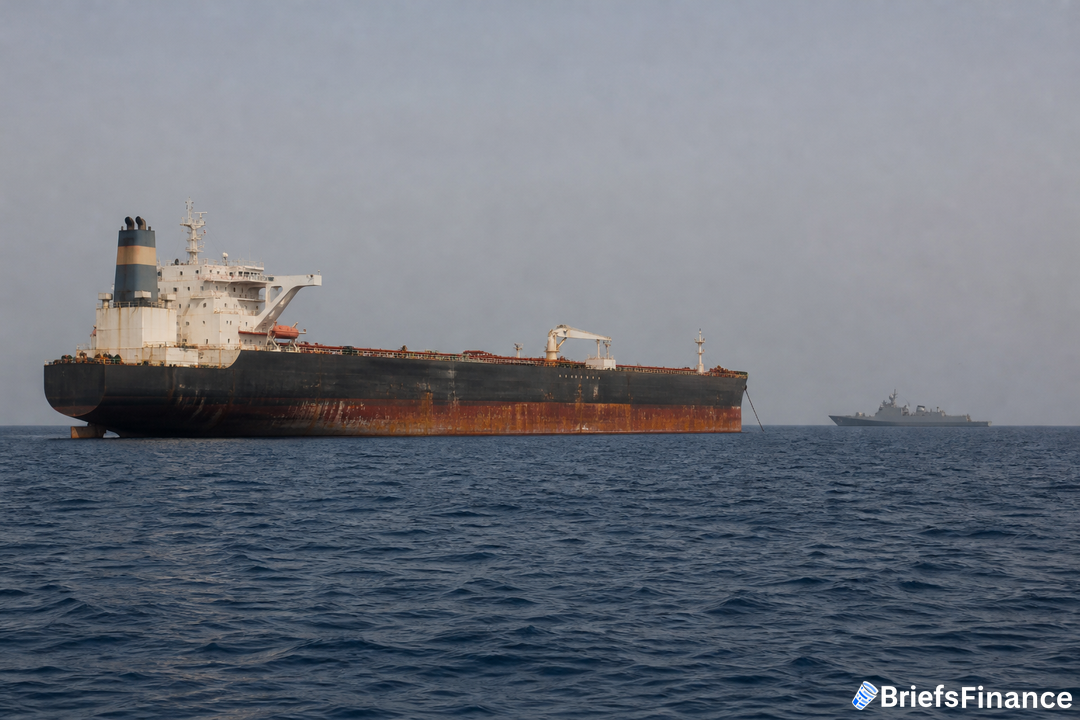
- Core Development: Ongoing maritime disruptions in the Strait of Hormuz continue to drive up global fuel prices as merchant shipping faces severe risks and rising insurance costs.
- Beat Context: Categorized under Weather with independent corroboration.
- Reporting Depth: 3 minute analytical read synthesized from verified newsroom sources.
Ongoing maritime disruptions within the Strait of Hormuz have left fuel prices elevated as geopolitical tensions mount across the Middle East. According to reporting detailed by Briefs, sporadic strikes on merchant shipping have collided with international efforts to restrict Tehran's oil revenues, creating an economic pressure point that continues to reverberate through global energy markets. While Washington's economic squeeze has targeted a military funding stream and weighed heavily on a regional economy, merchant vessels continue navigating the vital waterway.
Shipments through the strait are currently running at approximately eighty percent of prewar levels, with tankers continuing to haul Middle East crude barrels despite heightened operational dangers. The risk premium is actively driving market prices upward. Insurance costs have climbed significantly, and chartering a supertanker in select regions temporarily exceeded the cost of launching a rocket into space. Open-source tallies recorded numerous cases of vessel damage in the strait during October, with a US official noting that while attack frequency has not necessarily increased, more severe hits have targeted critical areas such as engine rooms.
Media additions
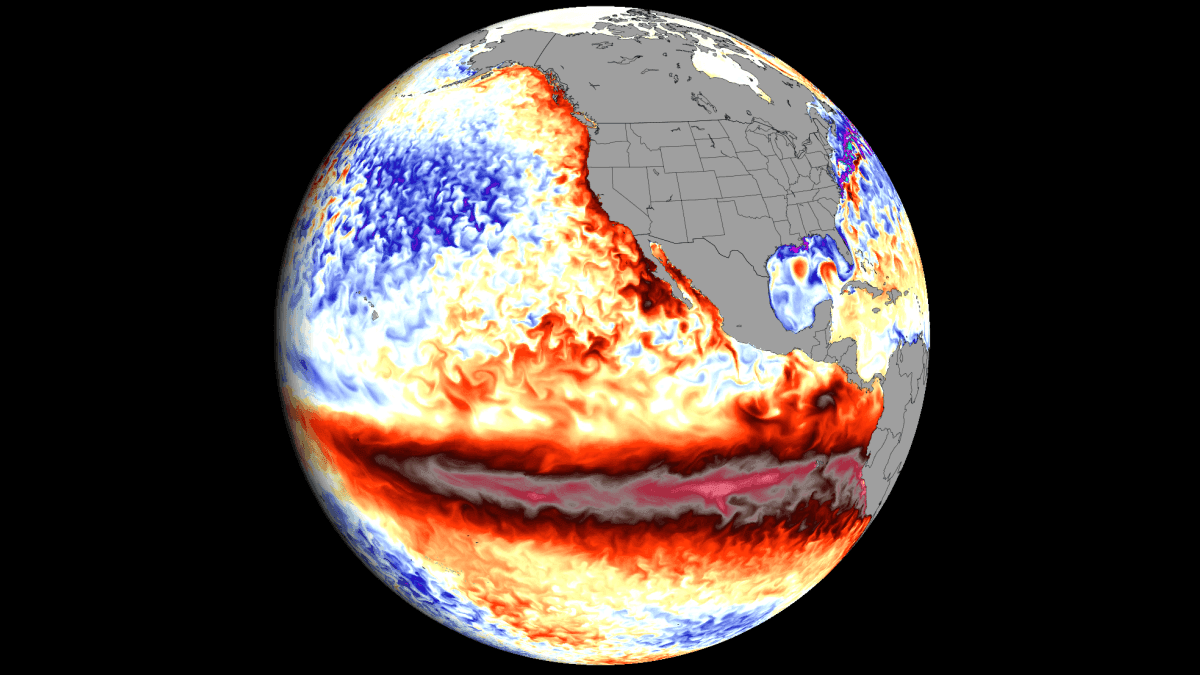

According to the International Maritime Organization, a significant number of incidents have occurred across Hormuz and nearby waters since the war began, resulting in confirmed seafarer fatalities. US Central Command reports that the vast majority of Iranian attacks are successfully thwarted or miss their targets, allowing the vast majority of vessels to transit without incident. US forces continue to coordinate transits and provide overhead protection, maintaining direct communication with the tanker industry to share updates, align routes, and assign monitoring assets.
| Metric / Indicator | Reported Figure or Status | Source Attribution |
|---|---|---|
| Strait traffic volume | Running at about 80% of prewar levels | Briefs |
| Vessel damage tallies (October) | At least 28 cases of damage recorded | Briefs |
| Total IMO-recorded incidents | 121 incidents across Hormuz and nearby waters | Briefs |
| Confirmed fatalities | 24 seafarer fatalities | Briefs |
| Unaffected transits | Roughly 95% of vessels transit without incident | US Central Command via Briefs |
Military analysts note that Tehran retains the capability to assemble anti-ship systems from stored missile components despite airstrikes. Jim Lamson, a visiting research fellow at King's College London and a former CIA analyst, stated that Iran has planned for a long-term asymmetric conflict through resilience, redundancy, and stockpiling. Similarly, retired US Navy vice admiral John Miller observed that Iran can sustain attacks as long as it chooses, though much of its long-range targeting capability has been degraded.
Higher insurance premiums and maritime risks have kept US fuel prices elevated, building political pressure ahead of upcoming elections. Ziad Daoud, chief emerging markets economist at Bloomberg Economics, estimates that a fresh flare-up could push crude into the one hundred twenty to one hundred thirty dollar range. Despite the dangers, shipowners can earn substantial revenue on these runs, and crews continue to pocket months of pay for brief voyages through high-risk waters, ensuring that crude flows persist.
Meanwhile, broader global meteorological shifts are unfolding in the background. As detailed by Severe Weather Europe, a Super El Niño continues to strengthen rapidly across the tropical Pacific, driven by record-level westerly wind anomalies and deep subsurface ocean heat known as Kelvin waves. This historic climate driver is projected to heavily influence seasonal weather patterns, storm tracks, and temperature distributions across North America and Europe through the winter months.
Regional weather agencies are actively preparing for high-impact conditions associated with these seasonal transitions. In the United States, the National Weather Service in Little Rock has issued forecasts addressing approaching rain chances, drought updates, and potential precipitation hazards.
As commercial shipping navigates the high-risk waters of the Middle East under military escort, energy markets remain acutely sensitive to any sudden escalation. Observers and investors will be watching upcoming political milestones and security developments to see whether transit conditions remain stable or deteriorate further.
How significant is this development?
Contribute your assessment to the aggregated reader sentiment ledger.
Frequently Asked Questions
Key questions answered in this reportWhat is the key development in: Strait of Hormuz ship attacks keep fuel prices elevated as tensions mount?
Ongoing maritime disruptions in the Strait of Hormuz continue to drive up global fuel prices as merchant shipping faces severe risks and rising insurance costs.
Why is this Weather development significant for the UK?
This report covers critical events in our Weather beat. Independent reporting monitors related UK statements, regulatory shifts, and public responses as further verified details emerge.
How was this reporting corroborated and verified?
Newsarchy UK compiles and cross-references reporting from primary reporting from National Weather Service (.gov) and cross-checked wire reports. All coverage adheres to published editorial standards.
When was this report published?
This briefing was published on October 31, 2026 and is permanently cataloged in the Newsarchy UK Weather archives.


