Explosion at Afghan school kills 10, injures 110
An explosion at a school in eastern Afghanistan's Kunar province left 10 dead and 110 injured, after a blast originated in a neighboring explosives depot.

An explosion tore through a primary and middle school in eastern Afghanistan, leaving a trail of destruction that officials say killed 10 people and wounded 110 others. The vast majority of the casualties were children attending classes at the facility.
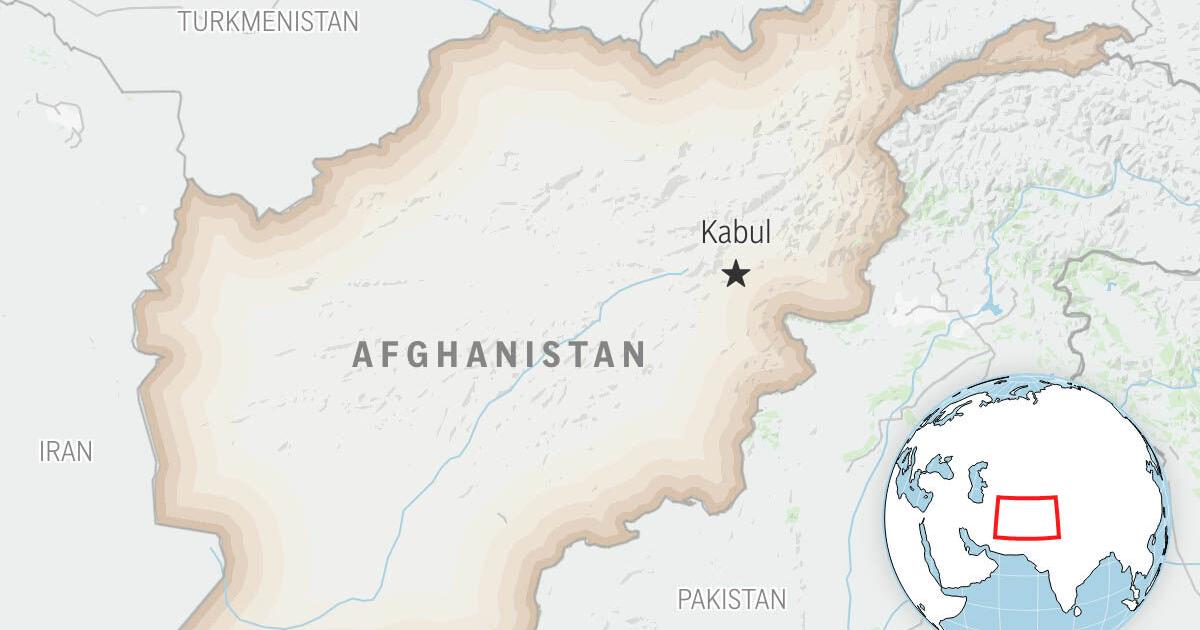
The blast struck on Saturday, 28 November 2026, at approximately 10 a.m. Local time. The site of the tragedy sits in the Andar Ser area on the outskirts of Asadabad, the capital of Kunar province. According to interior ministry spokesman Abdul Mateen Qani, the death toll reached 10, with 110 individuals sustaining injuries. Earlier reports from the ministry had suggested a lower toll of seven students killed and 99 wounded before updated figures were confirmed. Meanwhile, ABC News reported different early casualty figures of seven students killed and more than 90 wounded, adding that up to 15 of those injured remained hospitalized while others were discharged after treatment.
Media additions

Officials tracing the origin of the blast pointed immediately to an adjacent property. Kunar Culture and Information Director Sami ul Haq Bayan stated that preliminary information indicated the explosion originated in a neighboring depot used to store explosives. The facility held materials belonging to mining companies operating in the mountainous region, where crews clear hazardous rocks along the Kunar-Nuristan highway. Bayan attributed the disaster to negligence at the storage depot, noting that an official investigation is currently underway.
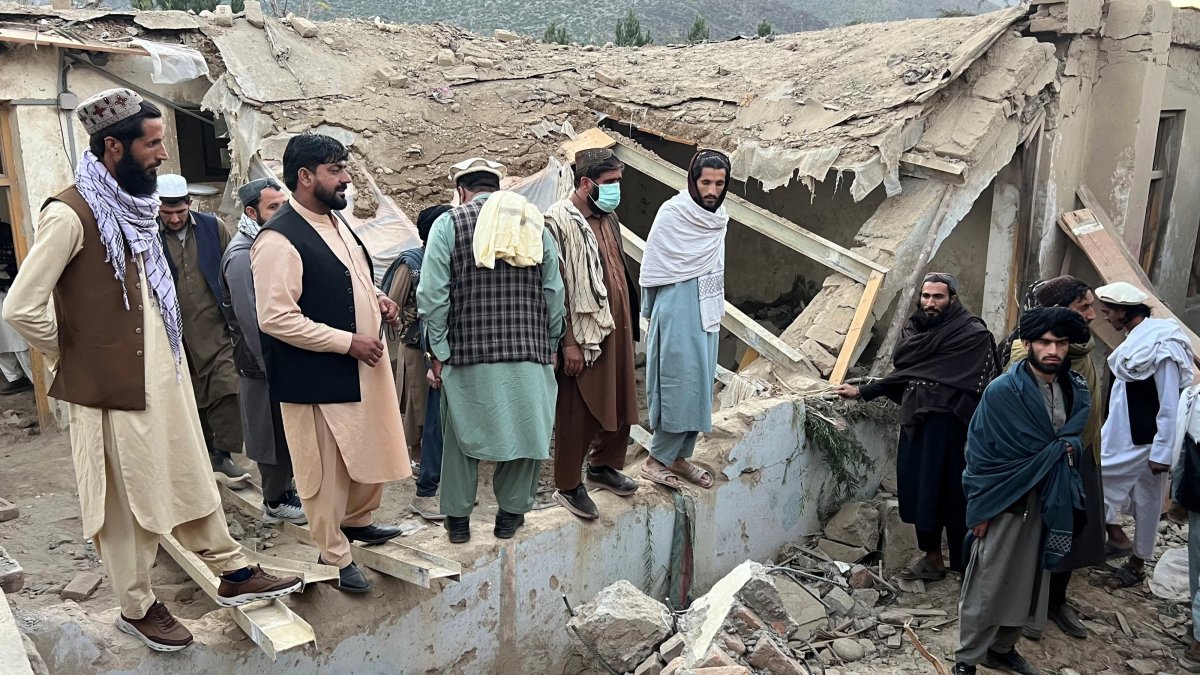
The force of the detonation devastated the school building and damaged nearby homes. Images and video footage shared widely on social media captured collapsed walls, shattered roofs, and classrooms strewn with debris, broken glass, and dust clouds. Among the wreckage lay blue schoolbags bearing the logo of the United Nations Children's Fund (UNICEF). UNICEF expressed deep distress over the incident, stating that the agency and its partners are actively providing emergency medical assistance to survivors and assessing the needs of affected families.
Emergency response efforts unfolded rapidly amid scenes of panic and devastation. Residents living near the school recounted rushing blindly into the billowing dust to search for loved ones. Noor Rahman, whose home shares a boundary with the school, described entering a smoke-filled classroom amid screams and shouts. He pulled his niece from beneath fallen bricks alongside other trapped victims. Another resident, Haji Sulaiman, was walking toward his shop when the blast occurred and his son was wounded. Pieces of wood and human flesh were flying everywhere,
Sulaiman said, describing how he arrived to find children covered in blood and sections of the school completely obliterated. Another local resident, Ali Rahman, joined the rescue effort, noting that children suffered injuries from collapsing walls and flying glass.
Ambulances and private cars rushed the wounded to the provincial hospital in Asadabad. Hospital wards filled quickly with young patients, many suffering from head injuries and broken bones. Harrowing footage showed children with bandaged heads, in some instances lying two to a bed as medical staff struggled to manage the sudden influx of victims.
The disaster highlights broader safety concerns surrounding industrial activities in the region. Afghanistan holds vast deposits of raw materials, including iron ore, copper, lead, zinc, gold, coal, and precious stones. Gemstone extraction has seen a significant rise in Kunar, where mining companies extract stones for public auction. However, local authorities and observers note that safety standards within the industry are frequently poorly enforced, elevating the risk of catastrophic accidents near civilian populations.
Saturday's tragedy compounds a turbulent week for educational facilities across Afghanistan. Prior to the Kunar blast, separate explosions at religious schools in Kapisa and Farah provinces killed multiple students, incidents that local officials attributed to unexploded ordnance left behind from decades of past conflict. Furthermore, the country's schools have faced direct violence in recent months, including an August hand grenade attack at a school complex in the capital city of Kabul that wounded more than 40 children aged between nine and 14.
As investigators continue combing through the rubble of the Asadabad school, the Interior Ministry has announced that further details regarding the depot's regulatory compliance and the exact sequence of events will be released once the official inquiry is complete.