Universal Credit claimants spared sanctions during DWP cyber attack outage
Universal Credit claimants unable to access digital journals during a severe government IT outage have been granted critical protections against benefit sanctions.

Universal Credit claimants unable to access digital journals during a severe government IT outage have been granted critical protections against benefit sanctions, though millions remain locked out of essential welfare portals following a deliberate cyber attack.
The Department for Work and Pensions confirmed that it suffered an attempt to gain unauthorised access to its systems, forcing officials to pull digital portals offline as a precautionary measure. According to reporting by Infosecurity Magazine, the emergency shutdown was initiated at approximately 21:00 GMT on Thursday, 26 November after suspicious activity was detected.
Media additions

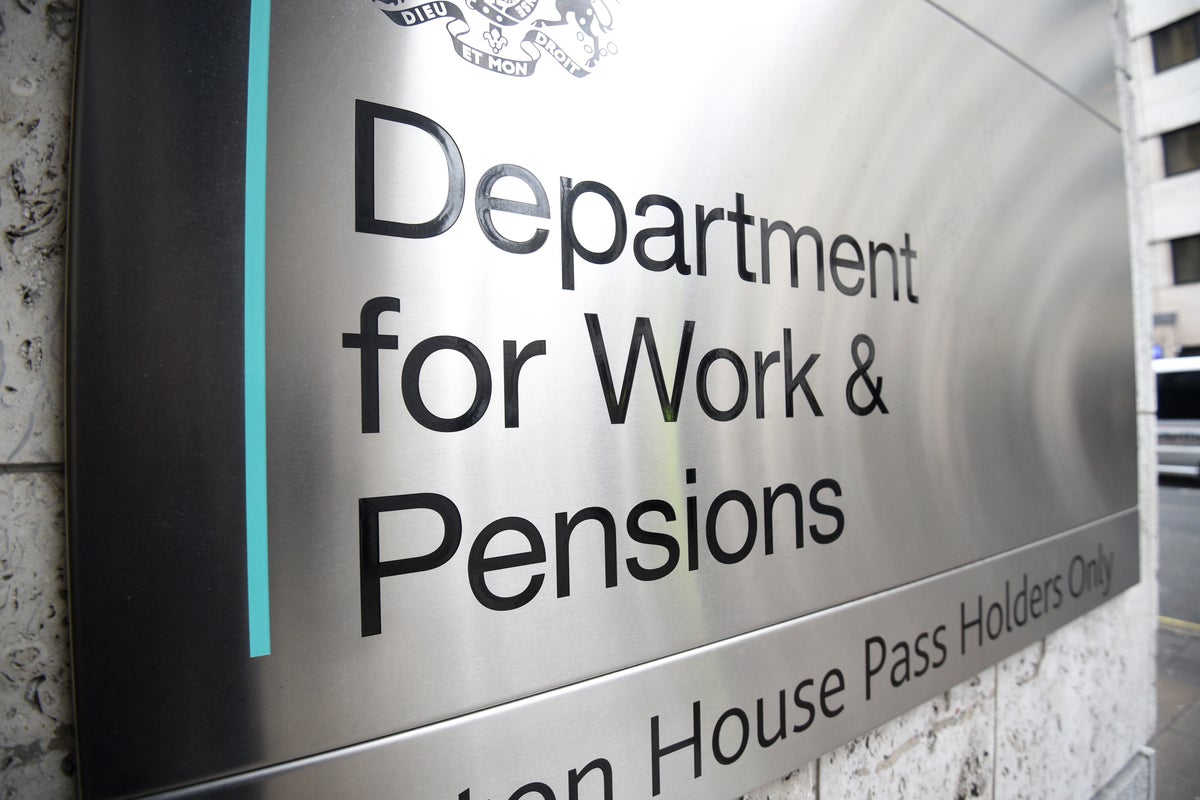

Government ministers and cybersecurity specialists have weighed in on the scale of the emergency. Work and Pensions Secretary Pat McFadden described the event as a serious cyber incident, noting that officials acted promptly to protect public data. Downing Street confirmed that the National Cyber Security Centre and the Government Cyber Co-ordination Centre are actively investigating alongside internal teams.
| Entity / Official | Stance / Action Reported |
|---|---|
| Pat McFadden | Confirmed a serious cyber incident and defended the decision to pull systems offline early to protect user data. |
| David Knott | Expressed strong suspicion that hackers targeted citizen-facing front-door services. |
| John Curry | Stated the DWP almost certainly slammed the front door shut upon detecting hackers to prevent data theft. |
| Dame Chi Onwurah | Called the disruption a wake-up call regarding weaknesses in government digital infrastructure. |
Cybersecurity experts speaking to Aol and the BBC supported the defensive manoeuvre. Former UK chief technology officer David Knott told broadcasters that the abrupt shutdown of front-facing portals implied an attack was being mounted through public access points. John Curry, a cybersecurity expert from Bath Spa University, added that slamming the front door shut is standard protocol when malicious activity is identified inside a network.
Political figures seized on the outage to question national infrastructure resilience. Parliament's Science and Technology Committee chair Dame Chi Onwurah warned that the disruption must serve as a wake-up call for public sector IT standards. Meanwhile, trade union representatives from the PCS criticized historical underinvestment in technology infrastructure and pointed to recent voluntary redundancy schemes within the department's tech division.
Financial anxiety mounted among recipients despite official assurances that regular payments would continue as normal. Several claimants told BBC News about unexpected payment delays and fears over looming household bills, rent, and travel expenses. While government representatives maintained that payment processing runs days in advance and any isolated payment discrepancies were unrelated to the cyber attack, consumer watchdogs urged extreme vigilance against opportunistic phishing scams exploiting the chaos.
The Department for Work and Pensions announced the precautionary shutdown on Friday, 27 November on the official gov.uk website after detecting suspicious activity on Thursday, 26 November. By Saturday, 28 November, online benefits and pensions services remained unavailable. The disruption affects millions of citizens who rely on these digital systems for state pensions, Universal Credit accounts, Personal Independence Payment applications, and the Tell Us Once service used to register deaths. Officials have confirmed that no comprehensive restoration timetable has yet been announced.
In response to the ongoing outage, the DWP issued explicit guidance confirming that claimants whose ability to meet requirements is directly affected by the incident will not face sanctions. However, this protection does not amount to a general suspension of all claimant commitments, nor does it automatically cancel existing sanctions or extend administrative deadlines. Claimants are advised to continue meeting requirements where possible and to keep records of any tasks they could not complete due to the disruption.
As the forensic investigation continues into the weekend of 28 November and heading toward Monday, 30 November, authorities maintain there is currently no evidence that personal data has been lost or stolen. The Information Commissioner’s Office has engaged with the DWP to establish the circumstances of the breach. Meanwhile, consumer organizations and financial regulators have warned the public to remain highly cautious against fraudulent messages and unverified links capitalising on the IT blackout.
What to watch next
- Ongoing forensic investigations led by the National Cyber Security Centre into the origin of the unauthorized access attempt.
- Official announcements regarding the phased restoration timeline for online journals, pension portals, and PIP applications.
- Further parliamentary scrutiny from select committees regarding legacy IT vulnerabilities across government departments.