Albania PM Rama rules out resignation as student protests turn violent
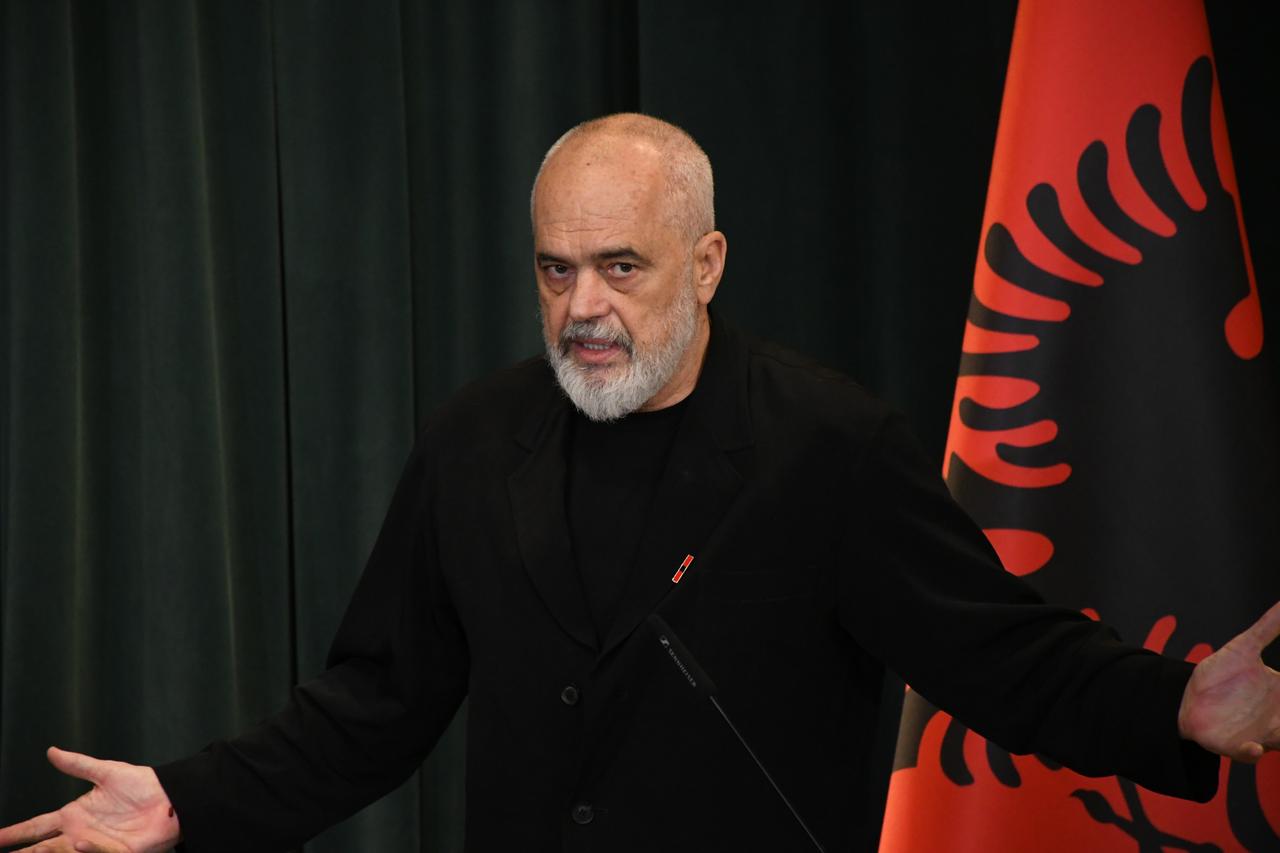
Albanian Prime Minister Edi Rama has rejected calls for his resignation as student-led anti-government protests escalated into severe street violence across Tirana, leaving public buildings ablaze and hundreds detained.

- Core Development: Albanian Prime Minister Edi Rama has rejected calls for his resignation as student-led anti-government protests escalated into severe street violence across Tirana, leaving public buildings ablaze and hundreds detained.
- Beat Context: Categorized under World with independent corroboration.
- Reporting Depth: 4 minute analytical read synthesized from verified newsroom sources.
Albanian Prime Minister Edi Rama has flatly ruled out resigning as a student-led anti-government movement metastasized into severe street violence across Tirana and other cities, leaving public buildings ablaze and hundreds detained.
The latest turmoil stems from an ongoing evolution in public anger. According to Deutsche Welle, the anti-government movement initially took root in late May under the banner of the "Flamingo Revolution," organized in response to a multimillion-euro coastal tourism development in Zvernec linked to Jared Kushner, son-in-law of US President Donald Trump. Over the summer, demonstrators carrying cardboard cutouts of pink flamingos held nightly gatherings spanning roughly 135 days to protest environmental destruction and mounting corruption scandals involving senior government officials.
Media additions
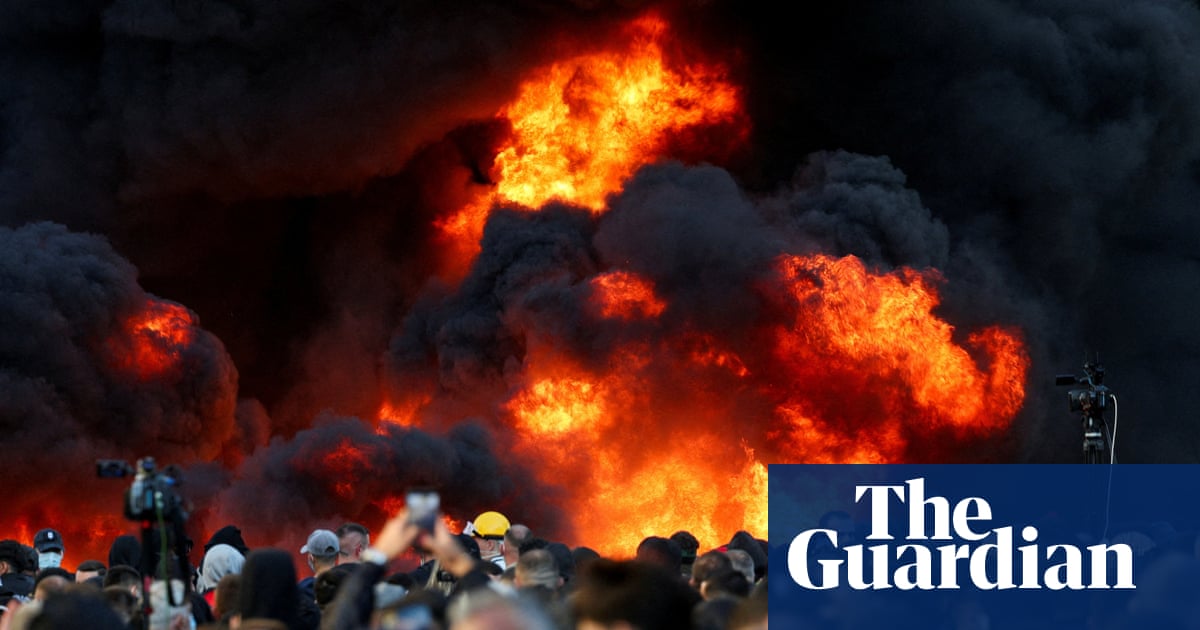
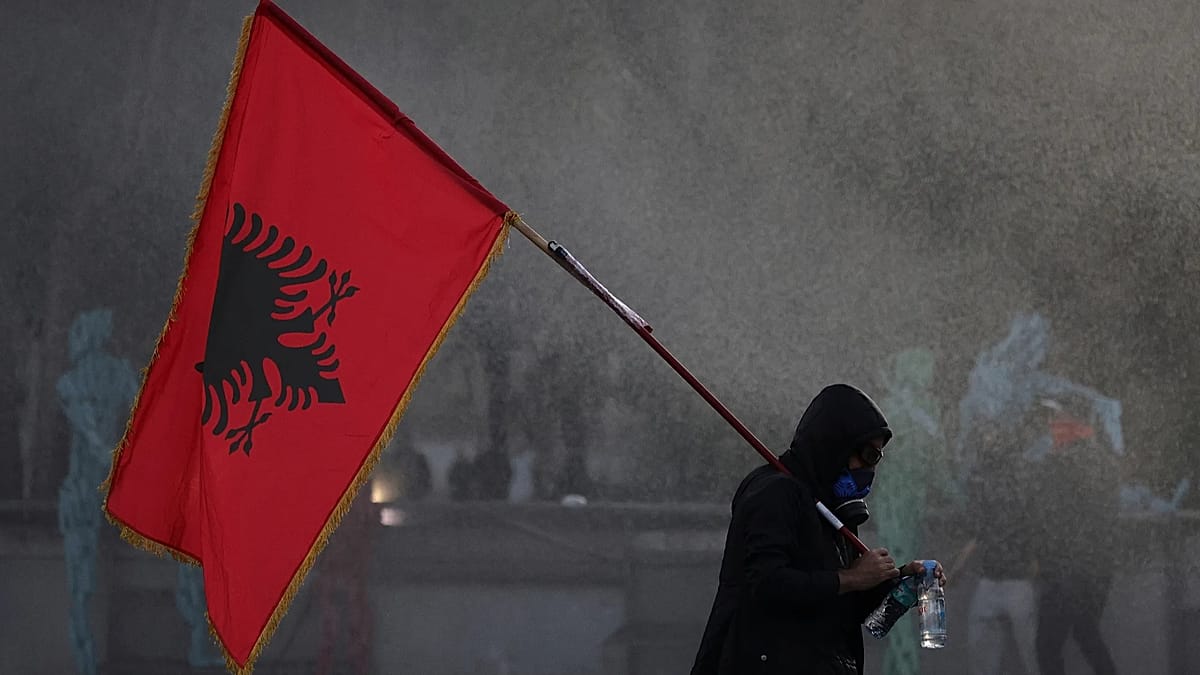
By autumn, however, the character of the demonstrations shifted dramatically. University lecture halls emptied as students initiated a boycott over soaring tuition fees, dilapidated campus conditions, and bleak post-graduation employment prospects. According to the BBC, what started on a Tuesday in October marked a completely new phase, quickly spreading beyond the capital of Tirana to other major western, southern, and eastern urban centers including Durrës, Shkodër, Lezhë, Vlora, Gjirokastër, and Korçë.
Demonstrations swiftly turned destructive. Protesters hurled paving stones, eggs, flares, and petrol bombs, setting fire to rubbish bins, banks, and floors of the education ministry and finance ministry buildings. In response, anti-riot police deployed water cannon, tear gas, pepper spray, stun grenades, and batons.
As the demonstrations intensified, Prime Minister Rama broke his initial silence on Thursday morning with a video message recorded inside the fire-damaged College of Europe building near his office on the Boulevard of the Martyrs of the Nation, as reported by Deutsche Welle. Rama blamed opposition forces for orchestrating the chaos, stating:
Later addressing Reuters, Rama firmly rejected calls to step down:"These are the hands of an opposition that, hiding behind masked people, wants to drag Albania back to a place it will never return to."
Edi Rama, Prime Minister of Albania, via Deutsche Welle
Rama secured a fourth consecutive term in office for the Socialist Party, and parliamentary elections are not formally scheduled until 2029."As for calls for my resignation, governments are changed through democratic elections. We had elections last year, not a revolution."
Edi Rama, Prime Minister of Albania, via Türkiye Today
By Friday, Rama escalated his rhetoric by pointing to external actors. According to EUalive, the prime minister claimed that "foreign evil hands" were stoking the unrest to derail Albania's aspiration to join the European Union by 2028. Sali Berisha, the 82-year-old leader of the opposition Democratic Party and a former prime minister, swiftly mocked and rejected Rama's accusations of foreign interference while expressing full support for the protest movement.
International observers expressed deep alarm over the trajectory of the Balkan nation, which stands as a top candidate for EU accession. The European Union delegation in Tirana issued formal statements condemning the violence, calling for de-escalation, and urging a prompt, transparent investigation into allegations of excessive police force against demonstrators and journalists. President Bajram Begaj similarly appealed for calm, emphasizing that constitutional boundaries must guide all citizens.
Civil society voices remain deeply divided on the path forward. Rigels Xhemollari of the Albanian civil society organization Qendresa Qytetare argued that Rama's resignation is the sole remedy, suggesting a caretaker government led by a non-partisan prime minister to pave the way for fresh elections. Conversely, political analyst Mark Marku cautioned that a protest must produce a viable political alternative rather than a vacuum.
As student boycotts continue across regional universities and foreign governments advise citizens to avoid large-scale gatherings, attention turns to whether the unrest will force a political compromise or draw further intervention from authorities as the country pursues its European path.
How significant is this development?
Contribute your assessment to the aggregated reader sentiment ledger.
Frequently Asked Questions
Key questions answered in this reportWhat is the key development in: Albania PM Rama rules out resignation as student protests turn violent?
Albanian Prime Minister Edi Rama has rejected calls for his resignation as student-led anti-government protests escalated into severe street violence across Tirana, leaving public buildings ablaze and hundreds detained.
Why is this World development significant for the UK?
This report covers critical events in our World beat. Independent reporting monitors related UK statements, regulatory shifts, and public responses as further verified details emerge.
How was this reporting corroborated and verified?
Newsarchy UK compiles and cross-references reporting from primary reporting from EUalive and cross-checked wire reports. All coverage adheres to published editorial standards.
When was this report published?
This briefing was published on October 17, 2026 and is permanently cataloged in the Newsarchy UK World archives.