Maduro Ally Alex Saab Pleads Guilty in $195M Money Laundering Case, Agrees to Cooperate
Former Venezuelan businessman Alex Saab has pleaded guilty to money laundering and agreed to cooperate with U.S. authorities, forfeiting $195 million tied to a food-subsidy scheme.
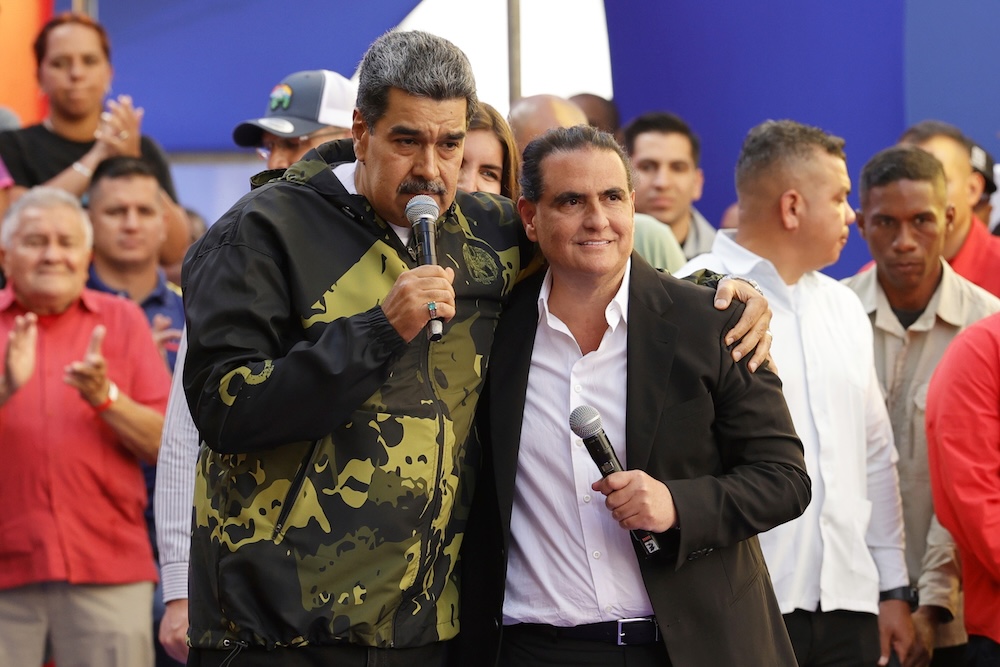
In a Miami courtroom on Tuesday, Alex Saab, a former Venezuelan businessman and long‑time confidant of ex‑President Nicolás Maduro, entered a plea of guilty to a single count of money laundering. The plea, part of a deal that obliges Saab to cooperate with ongoing federal investigations, also requires him to forfeit $195 million in proceeds tied to a bribery scheme that siphoned public funds from Venezuela’s food‑subsidy programme, CLAP.
Saab’s legal journey began in 2019 when the U.S. Department of Justice charged him with money‑laundering and fraud linked to the Venezuelan CLAP programme. In 2020, he was arrested during a refueling stop in Cape Verde and later extradited to the United States. The Biden administration, in a controversial move in 2023, granted him a pardon as part of a prisoner swap that saw several American citizens released from Venezuelan jails. Pbs Frontline reported that the pardon drew sharp criticism from Republicans and federal law‑enforcement officials, who immediately began probing Saab for other alleged crimes that the pardon did not cover.
Media additions


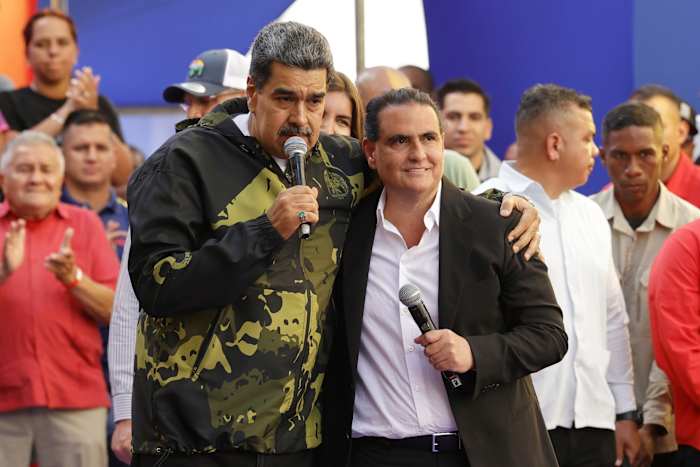
The Miami court proceedings, held before U.S. District Judge Kathleen Williams, confirmed that Saab will cooperate in continuing federal investigations and that prosecutors will recommend a sentence at the low end of the 20‑year maximum. The U.S. Attorney’s Office for the Southern District of Florida, represented by Jason A. Reding Quiñones, highlighted that the case sends a clear message: political connections and wealth do not protect one from American justice.
Central to the indictment is the CLAP programme, established by Maduro to distribute staples such as rice, corn flour, and cooking oil during Venezuela’s hyperinflationary crisis. Saab admitted to skimming at least $195 million from at least six contracts awarded to companies he secretly controlled. The scheme involved a network of shell companies and bank accounts in countries including Antigua, Bulgaria, Liechtenstein, the Marshall Islands, Montenegro, Switzerland, Turkey, the United Kingdom and the United Arab Emirates, according to the eight‑page statement of facts filed as part of the plea. BBC described the scheme as using fake companies, false invoices and fraudulent shipping records to siphon public funds.
Saab also acknowledged that the scheme received the approval, participation and protection of high‑ranking Venezuelan officials. One unnamed “Government Official 1A” allegedly directed bribe payments to a surrogate, while former governor Jose Gregorio Vielma Mora received $17 million in kickbacks for a 2016 contract to deliver 10 million boxes of food rations in Tachira state. The conspiracy, prosecutors say, extended beyond food to include the sale of oil from state‑run PDVSA, with payments sometimes made in oil, gold and other natural resources.
In the courtroom, Saab disclosed that he takes the antidepressant Zoloft daily for what he described as post‑traumatic stress disorder following his 2020 arrest. The plea deal does not specify the scope of Saab’s cooperation, but it does state that he will not protect any person or identity through false information or omission. Newscord notes that the BBC speculates Saab may testify against Maduro, while Reuters reports that court records do not detail the nature of the help he will provide.
Maduro, who was seized by U.S. Forces in a January raid in Caracas, is currently awaiting trial on drug charges after being captured in a raid by the U.S. Military in January. The potential for Saab to become a witness could shape the outcome of that case.
The plea also comes amid a shift in U.S. Policy toward Venezuela. The Trump administration, after the 2023 pardon, has refocused its attention on Venezuelan oil. In September 2026, the administration announced a partnership with Venezuelan oil entrepreneur Alejandro Betancourt, granting the U.S. Government a stake and access to at‑cost crude shipments from fields capable of producing 65 billion barrels. The new money‑laundering case reinforces the United States’ strategy of targeting the economic mechanisms that sustain Maduro’s regime.
| Event | Year |
|---|---|
| Initial U.S. Charges filed against Saab | 2019 |
| Arrest in Cape Verde and extradition to the U.S. | 2020 |
| Biden‑issued pardon in exchange for release of U.S. Citizens | 2023 |
| Deportation to the U.S. By Delcy Rodríguez | 2024 |
| Guilty plea and cooperation agreement | 2026 |
What follows is the U.S. Justice Department’s decision on sentencing. If Saab’s cooperation proves substantial, prosecutors will seek a reduction from the maximum 20‑year term. The Department’s statement indicates that the plea deal opens the door for Saab to assist in the investigation of Maduro’s alleged drug‑trafficking network. The outcome will be closely watched by both Venezuelan opposition groups and Maduro loyalists, who view Saab’s actions as a sign of the regime’s unraveling.
For readers following the story, key dates to watch include the sentencing hearing for Saab, scheduled in the coming weeks, and the trial of Maduro in New York. The United States’ approach to prosecuting former allies of Maduro will likely set a precedent for how the country handles similar cases in the future.