John Healey seeks UK entry into Canada‑led defence bank
Chancellor John Healey is in talks with Ottawa for the UK to join a Canada-led multilateral defence bank, despite Treasury resistance over costs.
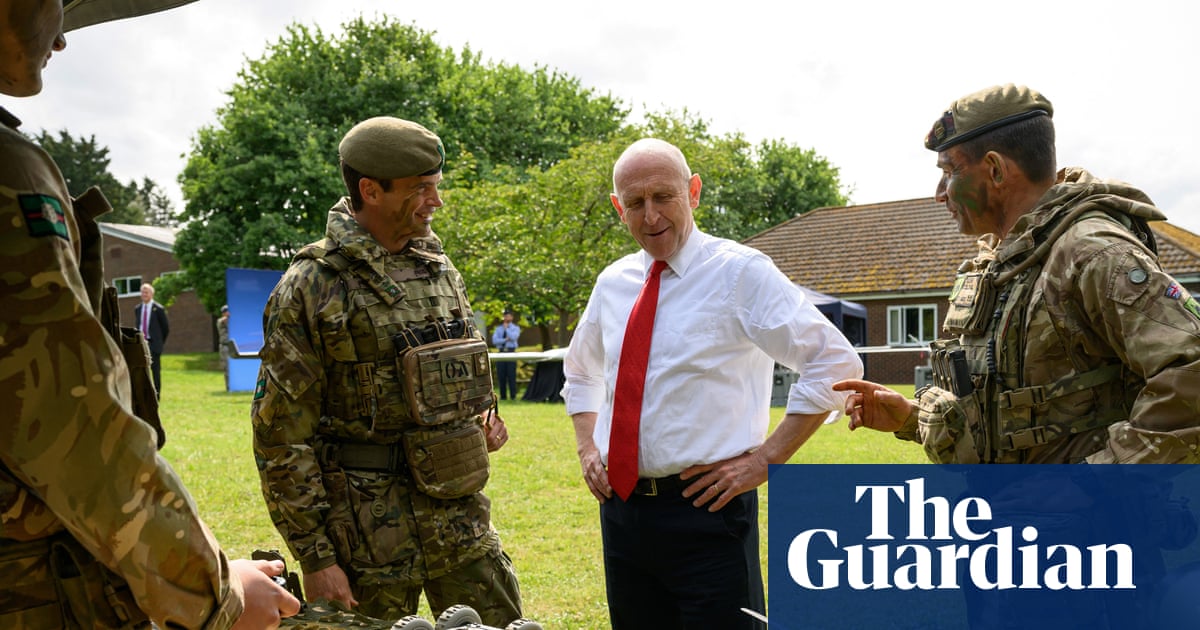
Chancellor John Healey is reportedly negotiating with Ottawa to join a Canada‑led multilateral lender that could finance Britain’s armed forces at a lower cost. The move comes after a £28 bn shortfall in the Ministry of Defence’s war‑readiness plans and a sharp rise in Russian aggression, prompting the UK to seek new funding models.
Background
Canada has taken the lead in creating the DSRB, a multilateral development‑bank model that will raise capital at low cost and lend to member states for defence projects. The initiative, first proposed in 2018, has attracted the support of more than ten countries, including Ukraine, Turkey and several NATO allies. The DSRB’s charter negotiations are expected to conclude this calendar year, with operations potentially beginning in the latter half of 2026, according to the bank’s development group.
Media additions


In a recent interview, the Canadian finance minister François‑Philippe Champagne outlined the bank’s aims: cheap bond‑market funding, more robust procurement conditions and guarantees for smaller defence contractors. The bank will seek a triple‑A credit rating, enabling it to borrow at the lowest possible rates.
UK’s Position
John Healey, who resigned as defence secretary in June after accusing the Treasury of under‑investing in national security, has now been appointed chancellor and is reportedly “actively considering a bid to join” the DSRB. The Guardian reports that Canada has formally invited the UK to become a founding member, alongside eight other nations. The invitation comes just weeks after former chancellor Rachel Reeves publicly rejected the idea, arguing that the bank would not address the UK’s procurement needs and would focus on lending to smaller firms in lower‑rated economies.
Healey’s defence‑sector experience has shaped his view of multilateral funding. While serving as defence secretary, he reportedly pushed for UK observers to remain present at Canadian talks with the bank, despite Treasury resistance. He has said that a multilateral lender could “boost defence investment by using financial leverage separate from the balance sheets of already indebted nations.” The chancellor is expected to meet Canadian finance minister Champagne in the UK this week, with both men also due to attend EU finance minister talks in Dublin later in the week.
According to the BBC, the chancellor is still in discussions and has not made a decision. Treasury officials maintain that no commitment has been taken. In a statement, a government spokesperson said the UK was “fully committed to working alongside our international partners to scale defence industrial capacity” and that the DSRB would be “complementary” to the Multilateral Defence Mechanism (MDM), a separate lender to which the UK has already committed £600 m.
Financial Implications
The cost of joining the DSRB is a key point of contention. The BBC estimates an upfront investment of around £870 m spread over three years, while The Guardian reports a range of £1 bn to £2 bn. Global Capital notes that the DSRB aims to raise €100 bn, with member contributions weighted by GDP and structured as paid‑in capital to callable capital. A table below consolidates the figures reported by the four sources.
| Source | UK Initial Capital Contribution |
|---|---|
| BBC | £870 m (over three years) |
| The Guardian | £1 bn–£2 bn (over three years) |
| Global Capital | £1 bn–£2 bn (over three years) |
| The i Paper | £600 m (MDM) – DSRB cost not specified |
The Treasury’s earlier statement that “the proposals are not backed by the UK government” reflects a cautious stance. The i Paper reports that the Treasury has ruled out the DSRB, though Whitehall insiders say the UK is still assessing alternative models. The Defence Ministry’s £28 bn funding gap, combined with the ministerial push for a 3 % defence‑spending target by 2030, has amplified pressure to secure cheaper financing.
Political Dynamics
Rachel Reeves’ rejection of the DSRB in July, citing concerns over the bank’s focus on smaller firms and its potential mismatch with UK procurement, contrasts with Healey’s current openness. The chancellor’s resignation letter, sent in June, highlighted “credible ways” to fund extra defence spending, including “working multinationally.” His move may signal a shift in the UK’s approach to defence finance.
MPs have expressed mixed reactions. Labour MP Alex Baker has called the DSRB “vital and lasting,” arguing it could provide a lifeline to British jobs and industry. In contrast, some Treasury officials remain skeptical, noting that the UK’s triple‑A credit rating and existing budget constraints could limit the bank’s attractiveness.
What Happens Next?
Key decisions will hinge on the outcome of the upcoming talks between Healey and Champagne. If the UK secures a founding membership, the DSRB would need to finalize its charter, secure credit ratings and begin operations potentially by late 2026. The UK’s initial capital contribution will likely be negotiated in the next few weeks, with the chancellor expected to present a pathway to the 2027 spending review.
Meanwhile, the Treasury will continue to weigh the costs and benefits of the DSRB against other funding models, such as the MDM and domestic defence bonds. The Defence Ministry’s war‑readiness plans, which currently show a £28 bn shortfall, will be recalibrated to reflect any new financing avenues. The next budget, set for October, will be a critical moment for the chancellor to outline how the DSRB fits into the broader defence strategy.
In the broader geopolitical context, the DSRB’s creation is part of a wider push by NATO allies to shore up collective security against Russian aggression. The bank’s ability to provide low‑cost loans and guarantees could help allies maintain stockpiles and supply chains, a key concern highlighted by NATO’s warnings that Russia could strike within five years. The UK’s participation would signal a commitment to this collective effort and could influence the direction of future multilateral defence finance.
Reader’s Guide
- 15 Sep 2026 – UK chancellor in talks with Canada about joining the DSRB.
- 7 Jan 2026 – UK defence secretary John Healey expresses interest in the DSRB during a parliamentary question.
- Late 2026 – Potential operational start of the DSRB after charter negotiations conclude.
As the UK debates its next steps in defence financing, the outcome of the chancellor’s negotiations with Canada will be watched closely by policymakers, industry stakeholders and the public alike. The decision could reshape how Britain, and potentially other allies, fund their armed forces in a rapidly changing security environment.