US CENTCOM asks officers for creative ways to punish Iran
As tensions persist, a senior US Central Command intelligence officer has asked analysts to brainstorm unconventional ways to pressure Iran.
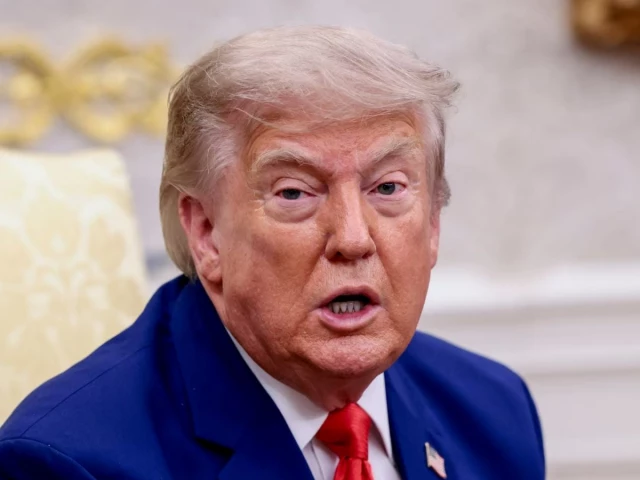
- Core Development: As tensions persist, a senior US Central Command intelligence officer has asked analysts to brainstorm unconventional ways to pressure Iran.
- Beat Context: Categorized under World with independent corroboration.
- Reporting Depth: 4 minute analytical read synthesized from verified newsroom sources.
President Donald Trump has maintained pressure on Tehran, offering what he described as a last chance for a deal while threatening decapitation if Iran fails to agree to terms. Speaking to reporters on Monday, Trump asserted that negotiations were underway at the request of Iran, Saudi Arabia, the United Arab Emirates, and Qatar, and warned that a U.S. Blockade would persist until a deal or total surrender is accomplished. That diplomatic and military friction follows a conflict that began on Feb 28, when the United States and Israel launched coordinated strikes against Iran's nuclear facilities, missile sites, and support networks.
Centcom’s crowdsourced memo
Amid those ongoing tensions, a senior officer within U.S. Central Command's intelligence branch circulated an email to a broad group of military analysts seeking fresh concepts to pressure Tehran. According to reports from CNN, the message asked military personnel for new ideas.
Media additions
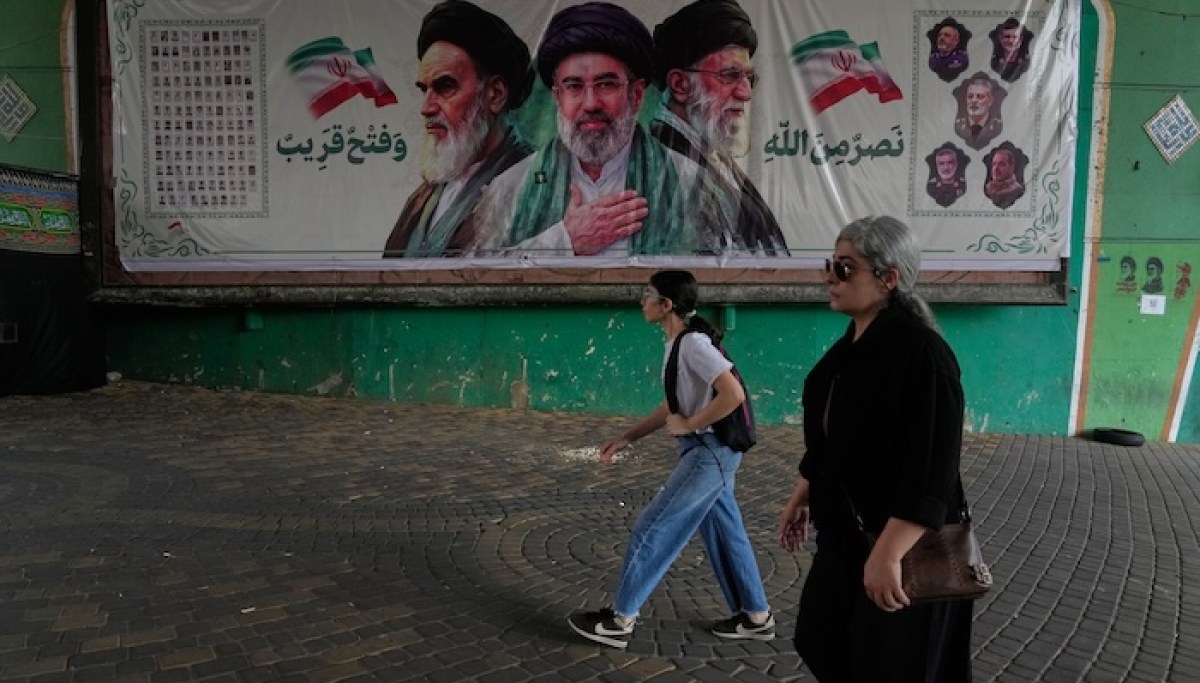
"We are looking for new creative and unconventional ways to pressure and punish Iran,"
Officer in CENTCOM's intelligence branch, via CNN
A second source confirmed the transmission of the email, which was sent the previous week as a crowdsourcing-style query. Capt. Timothy Hawkins, a spokesperson for CENTCOM, defended the communication by stating that the command possesses a long history of innovative work. Hawkins added that Admiral Cooper reaches out to members of the team regardless of rank to achieve high operational performance.
"U.S. Central Command has a long history of thinking and working in innovative ways,"
Capt. Timothy Hawkins, spokesperson, CENTCOM, via Washington Examiner
Retired Gen. Joseph Votel, former U.S. Central Command Commander, described the email when speaking to the Washington Examiner.
"To say the least, it sounds a bit unusual,"
Retired Gen. Joseph Votel, former U.S. Central Command Commander, via Washington Examiner
War-time escalation and its costs
The internal military query coincided with intensified U.S. Air operations over the Strait of Hormuz. The U.S. Military carried out nearly two weeks of consecutive bombing campaigns targeting Iran's capability to threaten vessels transiting the strait. Those military actions and subsequent disruptions pushed global oil and gas prices above pre-war levels, where they remain.
Casualty figures from the Pentagon’s Defense Casualty Analysis System indicate that four U.S. Service members were killed during the previous month, bringing total U.S. Fatalities in the war to 18. The same system recorded 685 total troops wounded in action, which includes 417 service members injured between the start of the conflict and early July, alongside another 268 troops wounded since July 7.
Negotiations, mediators, and the Islamabad Memorandum
Diplomatic efforts continue to run parallel to the military standoff. Washington and Tehran previously signed the Islamabad Memorandum of Understanding on June 17, establishing a 60-day window to negotiate a permanent settlement addressing the nuclear programme and other contentious matters. Senior Pakistani officials reported that no direct meeting was scheduled in Islamabad within a 24-hour window following Trump's remarks, and Pakistani government sources told Anadolu that no date or venue had yet been finalized for resuming long-stalled direct talks.
Mediators from Pakistan and Qatar remain in contact with both capitals to arrange a meeting. Pakistani officials indicated that positive developments are expected during the week as both sides exchange messages through intermediaries. While Islamabad and Doha have emerged as potential venues for face-to-face discussions, the Iranian foreign ministry maintained that its sole talks are held with Oman regarding shared control of the Strait of Hormuz.
Sources familiar with the diplomatic track noted that initial direct talks would focus primarily on consolidating the recent pause in hostilities and returning to the position held prior to July 9, leaving nuclear discussions for later phases. A joint de-escalation formula drafted last month by Pakistan and Qatar proposes that Tehran reopen the Strait of Hormuz—which handled one-fifth of global oil supplies before the conflict—while Washington lifts its naval blockade, with no transit fees imposed on passing ships.
Trump’s political calculus
Trump's public communications have oscillated between offers of a diplomatic offramp and severe warnings. In a social media post, he denounced Iranian leadership as duplicitous for denying negotiations and reiterated that a U.S. Blockade or "wall of steel" would continue until a deal or total surrender occurs. He also claimed that the Strait of Hormuz is already controlled entirely by the U.S. Navy.
When questioned about the status of talks, Trump maintained that discussions are active.
"We’re talking at the request of Iran, backed by Saudi Arabia, backed by UAE, and backed by Qatar in particular, but others also. Many, many countries called,"
President Donald Trump, via Washington Examiner
Trump outlined a two-phase structure for the diplomatic process, stating that phase one would involve fully opening the Strait of Hormuz literally by the following day, while phase two would address the denuclearization of Iran.
What to watch next
The upcoming days will test whether mediators can successfully finalize a date and venue for direct talks under the Islamabad Memorandum of Understanding. If regional intermediaries succeed in brokering the de-escalation formula, the Strait of Hormuz could reopen without transit fees, potentially stabilizing global energy markets. Conversely, failure to establish a concrete diplomatic timetable leaves open the possibility of renewed major military operations by the United States.
How significant is this development?
Contribute your assessment to the aggregated reader sentiment ledger.
Frequently Asked Questions
Key questions answered in this reportWhat is the key development in: US CENTCOM asks officers for creative ways to punish Iran?
As tensions persist, a senior US Central Command intelligence officer has asked analysts to brainstorm unconventional ways to pressure Iran.
Why is this World development significant for the UK?
This report covers critical events in our World beat. Independent reporting monitors related UK statements, regulatory shifts, and public responses as further verified details emerge.
How was this reporting corroborated and verified?
Newsarchy UK compiles and cross-references reporting from primary reporting from tribune.com.pk and cross-checked wire reports. All coverage adheres to published editorial standards.
When was this report published?
This briefing was published on August 4, 2026 and is permanently cataloged in the Newsarchy UK World archives.