China tests long-range ballistic missile into South Pacific
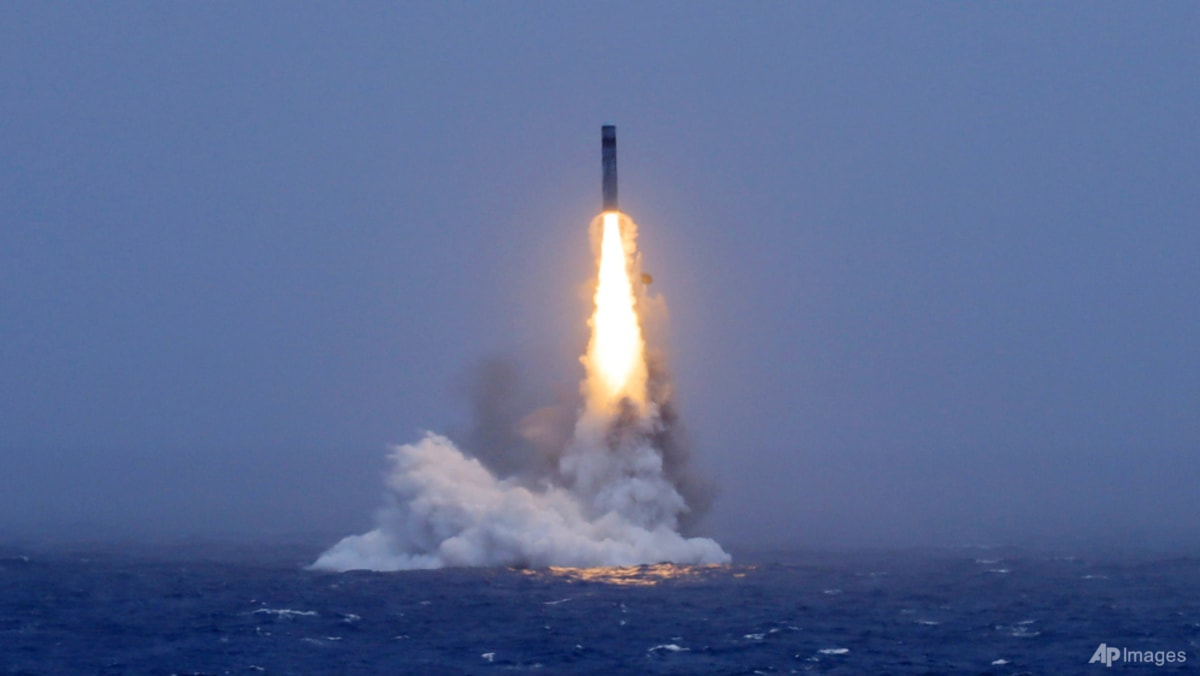
China performed a rare long-range submarine-launched ballistic missile test into the South Pacific, sparking diplomatic friction and regional security concerns.
- Core Development: China performed a rare long-range submarine-launched ballistic missile test into the South Pacific, sparking diplomatic friction and regional security concerns.
- Beat Context: Categorized under World with independent corroboration.
- Reporting Depth: 3 minute analytical read synthesized from verified newsroom sources.
China conducted a long-range ballistic missile test into the South Pacific on Monday, 6 July 2026. The test involved a missile launched from a nuclear-powered submarine, which traveled approximately 7,300km before landing in international waters. This event marks the second time since 1980 that China has fired a ballistic missile into international waters and represents the first publicly acknowledged test of a submarine-launched ballistic missile (SLBM) of this range.
The missile carried a simulated training warhead and likely overflew parts of the Philippines before landing within the South Pacific Nuclear Free Zone. This region is governed by the 1986 Treaty of Rarotonga, which prohibits the testing and deployment of nuclear explosive devices. While the launch did not utilize a nuclear warhead, Pacific nations have raised concerns regarding the activity. Solomon Islands Prime Minister Matthew Wale expressed his dissatisfaction with the maneuver, stating
"China is a good friend of Solomon Islands, but this is not something a friend does. This is not … good in our region."
Matthew Wale, Prime Minister, via Associated Press
Strategic and Regional Implications
Experts view the launch as a demonstration of China’s expanding nuclear deterrent and its progress toward a nuclear triad—a military capability encompassing land, air, and sea-based strike options. By utilizing a submarine-launched system, the Chinese military reinforces its second-strike
capability, which provides a retaliatory option should the nation be subject to a nuclear attack. Tong Zhao, a senior fellow with the Nuclear Policy Program at the Carnegie Endowment for International Peace, noted that the launch signals the People's Liberation Army is emerging as a military with powerful strategic nuclear capabilities. While China has not officially identified the specific weapon system used, analysts offer varying assessments. The secretary-general of Taiwan's National Security Council identified the hardware as an older JL-2 missile, whereas experts featured in Chinese state media suggested the use of a more advanced JL-3, which possesses a range exceeding 10,000km.
Diplomatic Friction and Transparency
The timing of the launch has become a subject of intense scrutiny. While some analysts, such as Dr. Malcolm Davis of the Australian Strategic Policy Institute, suggest the proximity to the treaty signing served as a deliberate signal of Beijing’s displeasure regarding shifting security alliances, other experts maintain that submarine operations are heavily dependent on environmental variables and crew readiness. Australia's Prime Minister Anthony Albanese condemned the event during a diplomatic visit to Honiara, characterizing the test as
"a provocative act by China which does destabilize the region."
Anthony Albanese, Prime Minister, via Associated Press
The international community remains divided over the transparency of the launch. The Chinese Defense Ministry maintained that it notified relevant countries in advance, characterizing the act as an example of military openness. However, the United States and regional partners contested this assertion. The United States government stated the notice provided was insufficient to meet the standards adopted by other nuclear-weapon states. Although the Hague Code of Conduct encourages at least 24 hours of notification for ballistic missile launches, experts note that China is not a signatory to that agreement.
Looking Ahead
K. Tristan Tang of the National Bureau of Asian Research expects these tests to evolve into a systematic practice. As Beijing continues its military expansion, observers anticipate mounting pressure from the international community for China to align its transparency practices with those of other established nuclear powers.
How significant is this development?
Contribute your assessment to the aggregated reader sentiment ledger.
Frequently Asked Questions
Key questions answered in this reportWhat is the key development in: China tests long-range ballistic missile into South Pacific?
China performed a rare long-range submarine-launched ballistic missile test into the South Pacific, sparking diplomatic friction and regional security concerns.
Why is this World development significant for the UK?
This report covers critical events in our World beat. Independent reporting monitors related UK statements, regulatory shifts, and public responses as further verified details emerge.
How was this reporting corroborated and verified?
Newsarchy UK compiles and cross-references reporting from primary reporting from channelnewsasia.com and cross-checked wire reports. All coverage adheres to published editorial standards.
When was this report published?
This briefing was published on July 10, 2026 and is permanently cataloged in the Newsarchy UK World archives.