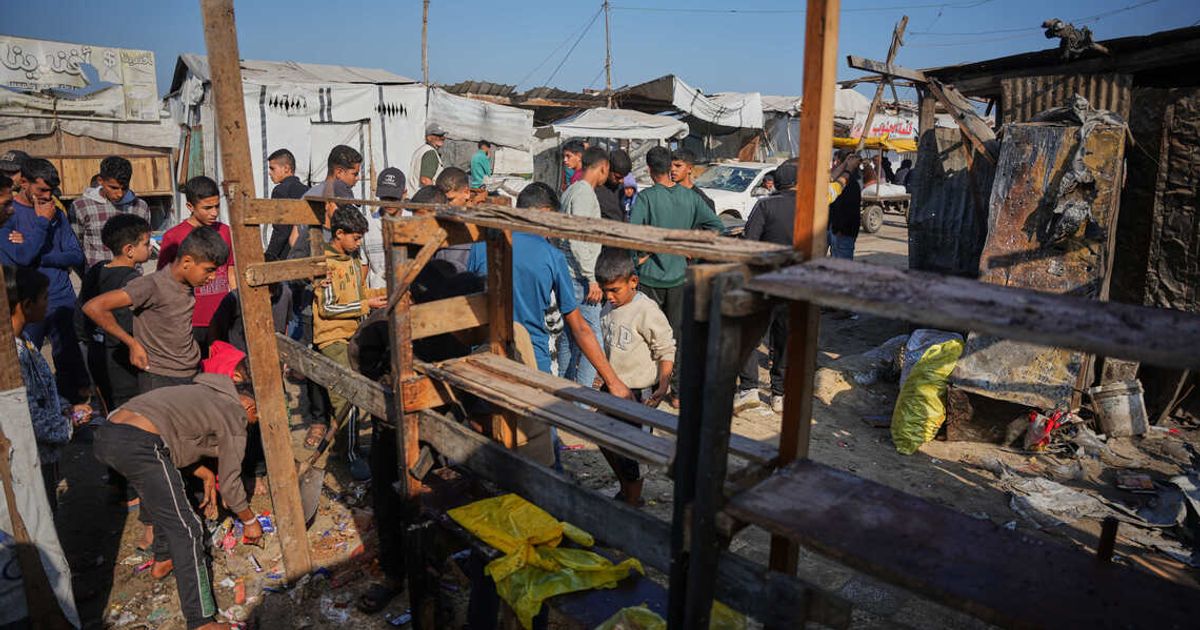
Car bomb destroys governor's office in Colombia's Villavicencio
A car bomb detonated in Villavicencio, Colombia, destroying the local governor's office and injuring at least 23 people. President Abelardo de la Espriella blamed drug traffickers for the attack.

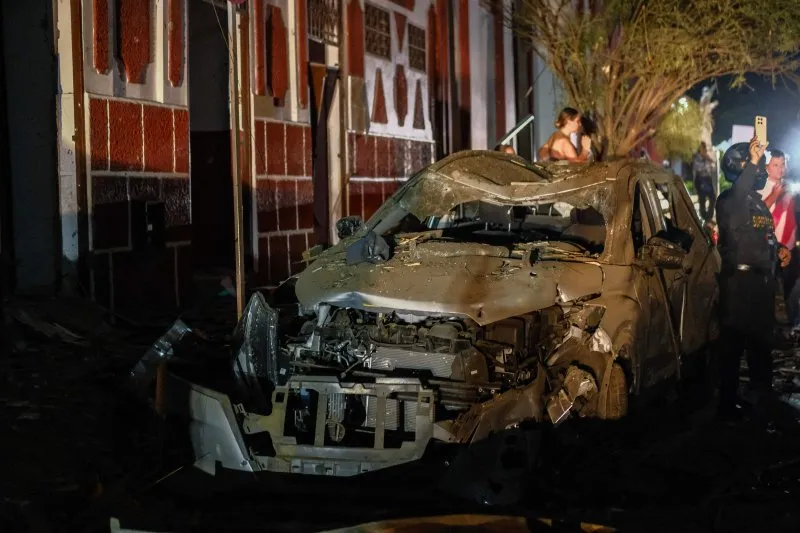
A car bomb detonated in the central Colombian city of Villavicencio on Monday, November 23, 2026, destroying the local governor's office and surrounding buildings. The explosion ripped through the city centre in front of the regional government offices, leaving a large visible crater and scattering rubble across the streets. According to local media reports, around 20 people were injured in the blast, while BBC News reported an official count of at least 23 injured. No group has so far admitted carrying out the attack.
Following the blast, residents sought shelter in nearby streets strewn with the wreckage of damaged buildings. Johan Perez, a local shopkeeper, told AFP journalists that the explosion damaged his hat shop, noting that the doors were bent in, the windows shattered, and some display cases inside were broken.
Media additions

Colombian President Abelardo de la Espriella blamed drug traffickers for the blast. Writing on X shortly after the detonation, the president stated:
He added:"They have just carried out a bombing attack on the Meta Governor's Office"
Abelardo de la Espriella, President, via X
"Narco-terrorism is desperate because we are confronting it decisively. It seeks to intimidate us and force us to back down so it can seek another sham peace process."
Abelardo de la Espriella, President, via X
Ombudsman Iris Marín called the incident unacceptable and painful, writing on social media that instilling fear is easy, whereas building and rebuilding takes courage. The right-wing leader has conducted a major crackdown on the country's drug trade, responding to left-wing FARC rebels and criminal groups that have stepped up attacks over the past two years in what appears to be retaliation for the government's offensive. U.S.-backed De la Espriella has vowed to put all remaining armed groups, including breakaway FARC factions, in a tomb or in prison, and stepped up bombardments of their positions.
The attack occurred on the eve of the tenth anniversary of the signing of the peace agreement between the Colombian state and the Revolutionary Armed Forces of Colombia (FARC). That historic 2016 accord ended a brutal campaign of bombings, assassinations, and hostage-takings, seeing thousands of rebel fighters disarm. However, violence has flared again as dissident factions and criminal cartels vie for control of the cocaine trade, illegal gold mines, and extortion rackets. Colombia remains the world's largest producer of cocaine.
Minutes before the explosion, President De la Espriella used X to denounce the 2016 accord, calling it a mess, a waste of public resources, and the cause behind Colombia's ruin. Former President Juan Manuel Santos, who signed the 2016 agreement alongside FARC leader Rodrigo Londoño, told BBC Mundo that De la Espriella was totally wrong to call it a false peace. Santos argued that the violence seen today is not the result of the peace deal, but rather the consequence of a lack of implementation of the agreement.
The Villavicencio bombing is the latest in a series of attacks targeting official buildings and security forces' headquarters. Three weeks prior, a car bomb near army barracks in Tolima province killed three adults and a baby. Earlier on Monday, drones dropped explosives on the police headquarters in the northern city of Cúcuta. Earlier this month, a top U.S. General visited Bogotá to discuss increased cooperation to curtail drug trafficking by guerrilla and rebel groups, a military source told AFP, as the country faces its worst wave of criminal violence in a decade.
What to watch next
- Whether any armed group claims responsibility for the Villavicencio bombing.
- Government security operations in Meta province and surrounding regions.
- Commemoration events for the peace accord anniversary and any related unrest.
- Potential U.S.-Colombia security announcements following the recent high-level military visit.