A bomb in Villavicencio injured 23 people, prompting President Abelardo de la Espriella to rule out negotiations with FARC-EMC dissidents as urban violence escalates across Colombia.
| Source |
Injury count reported |
Time of report |
| Local authorities (initial) |
19 |
Monday night |
| Meta Health Department / multiple outlets |
23 |
Tuesday morning |
| BBC / NBC DFW / Newsday / Around Prague / Mirror |
23 (or “more than 20”) |
Tuesday |
| Hürriyet Daily News / UA.News |
“around 20” / “dozens” |
Tuesday |
President Abelardo de la Espriella visited the site on Tuesday and blamed the attack on a rebel commander known as Antonio Medina, a member of the FARC‑EMC dissident group. “We will not negotiate with these criminals,” he said. “We will fight them with absolute determination … and chase them down until we have brought them to justice.” In a post on X he vowed that the “narco‑terrorists” would “pay for every drop of blood they have shed, and for every building they have destroyed,” and ruled out any dialogue with groups linked to drug trafficking. Prosecutors said they were investigating whether the FARC‑EMC carried out the bombing.
Mayor Alexander Baquero told Colombian radio station Blu that he believed Medina’s group could have been seeking retaliation for military strikes conducted over the weekend in Mapiripán, also in Meta department, against members of dissident organisations. The president had reported the deaths of five armed‑group members in those airstrikes, though authorities have not officially confirmed a link between the operations and the bombing. Government Secretary Andrea Carolina Lizcano acknowledged that the identities of the planners and perpetrators remain unclear. The National Police announced the deployment of operational, investigative and intelligence resources to identify and capture those responsible.
The Villavicencio bombing is the latest in a rapid escalation that has brought rural conflict into urban centres. Three weeks earlier, a car bomb near army barracks in Tolima province killed three adults and a baby. Earlier on Monday, drones dropped explosives on the police headquarters in Cúcuta, injuring three civilians including an 18‑month‑old girl. Similar drone attacks have been reported in Catatumbo, Norte de Santander and Nariño, and a November 7 strike on a military base in Santa Rosa del Sur killed three soldiers and seriously injured eight others. Armed groups have also used rockets made from gas cylinders and roadside bombs against security‑force facilities across the country.
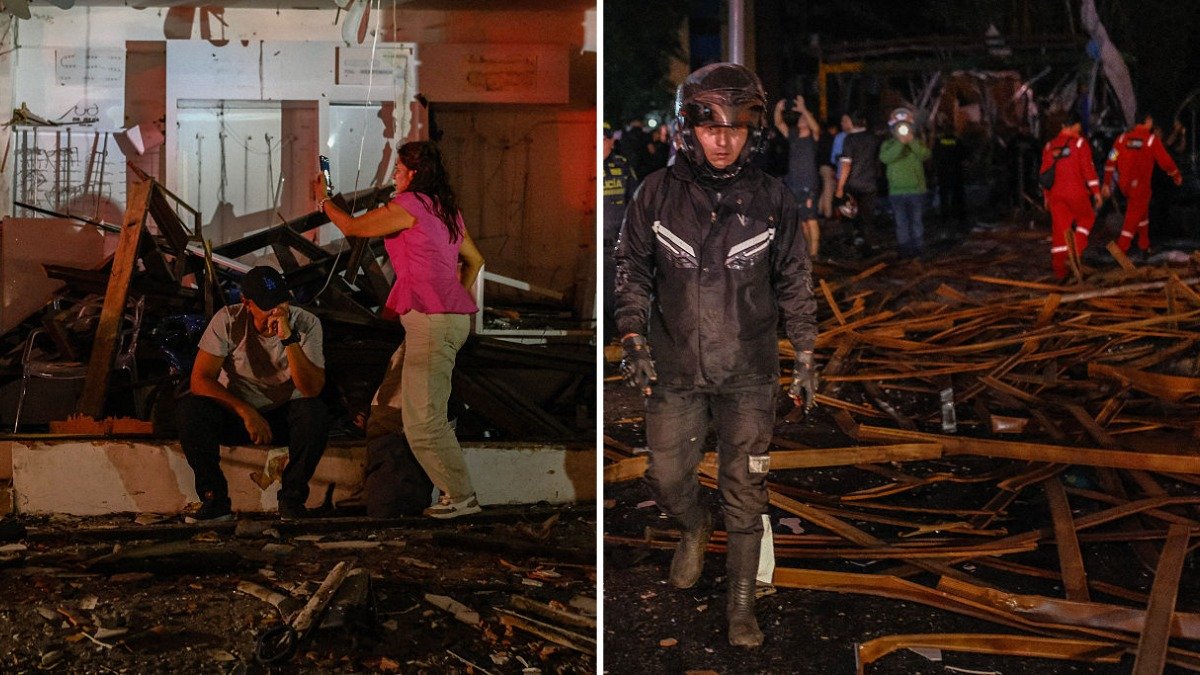
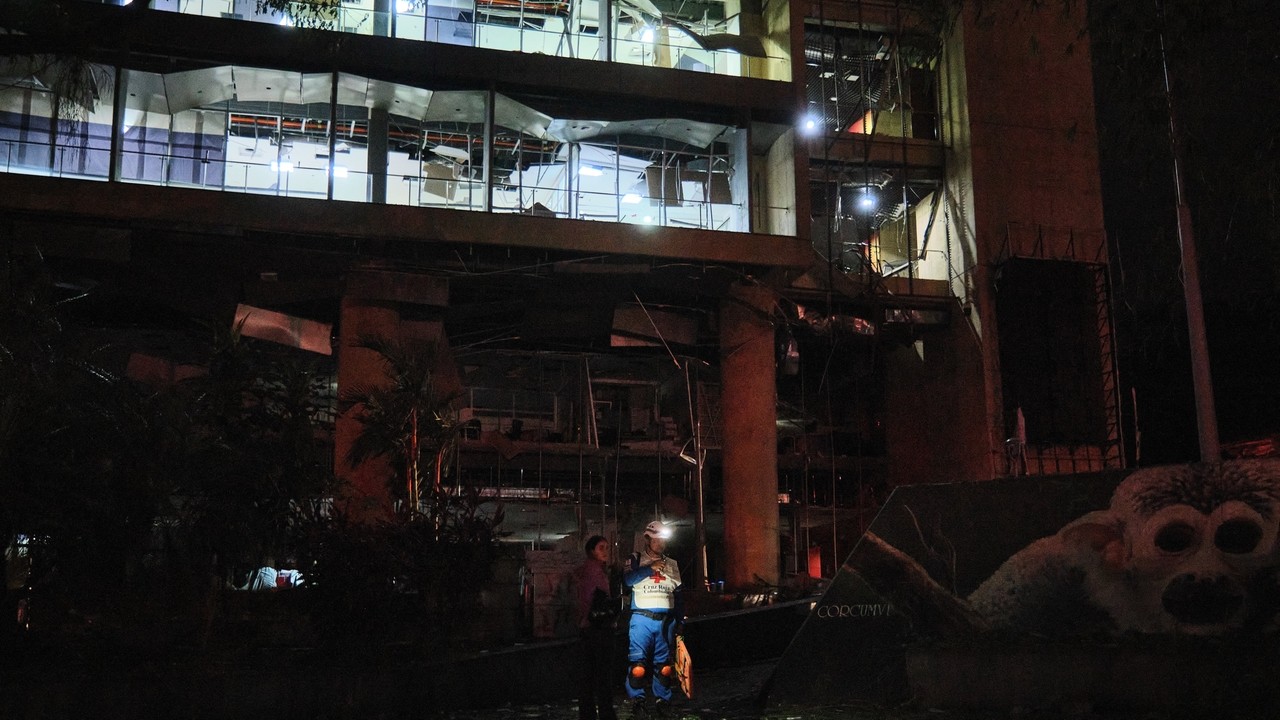
Villavicencio, a city of roughly half a million people on the edge of the Amazon rainforest, is a major agricultural and commercial hub where dissident factions and criminal groups have long fought over drug‑trafficking routes, cattle ranches and palm plantations. The attack damaged the Governor’s Office building, two businesses, homes, the city cathedral and other government facilities, and caused power outages in the area. Residents described streets strewn with rubble, bent doors, shattered windows and a huge crater. Johan Perez, a local shop owner, said the blast “bent the doors in, shattered the windows, broke some display cases inside.”
The violence arrives on the eve of the tenth anniversary of the 2016 peace agreement between the government and the Revolutionary Armed Forces of Colombia (FARC), which saw more than 14,000 fighters lay down their arms. While forced displacement, child recruitment and attacks on security forces fell after the deal, a significant number of FARC members rejected it and joined dissident groups. In recent years violence has surged again as those factions and criminal organisations compete for control of drug trafficking, illegal mining and extortion rackets.
Former President Juan Manuel Santos and former FARC commander Rodrigo Londoño, the two signatories of the accord, defended it in an interview with BBC Mundo ahead of the anniversary. Santos said De la Espriella was “totally wrong” to call the agreement a “false peace.” He argued that today’s violence is not a product of the deal but of its incomplete implementation. De la Espriella, elected on a promise to crack down on “narcoterrorism,” has been scathing about his predecessor’s “total peace” strategy of negotiating with armed groups — talks that collapsed after several groups violated ceasefires. In a post on X shortly before the bombing, he described the 2016 accord as a “mess,” a “waste of public resources” and the “cause behind Colombia's ruin.”
Governor Rafaela Cortés condemned the attack as an assault on the population, public institutions and the department’s peace and security, pledging to pursue those responsible until they are brought to justice. The ombudsman’s office warned that the use of explosives in urban areas poses a serious threat to civilians. De la Espriella said he would coordinate an emergency plan with regional authorities to restore security in Meta.
- What to watch next: Whether prosecutors formally charge the FARC‑EMC or another dissident faction; the scale and targets of the promised military escalation; and whether the anniversary of the peace deal becomes a flashpoint for further attacks or a moment for renewed political debate over implementation.