Costa Rica denies entry to UN rapporteur Francesca Albanese
UN human rights rapporteur Francesca Albanese was stranded at a Costa Rican airport after immigration authorities denied her entry, citing an unspecified international security alert.
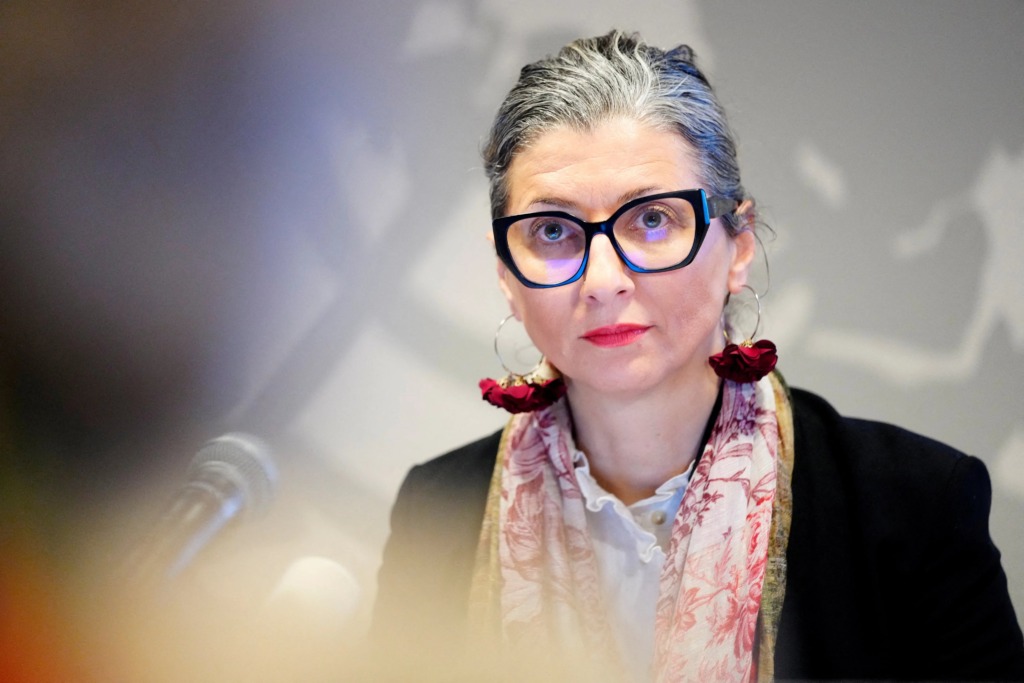
UN special rapporteur Francesca Albanese was stranded at a Costa Rican airport after immigration authorities blocked her entry, marking a sharp foreign policy shift for the Central American nation that drew immediate international condemnation.
Francesca Albanese arrived at Juan Santamaría International Airport, serving the capital of San José. The United Nations independent expert on human rights in the occupied Palestinian territories had traveled to the country at the invitation of the state-run University of Costa Rica to receive an honorary doctorate. Instead of entering the country, she found herself held in an airport transit area while immigration officials confiscated her passport.
Media additions

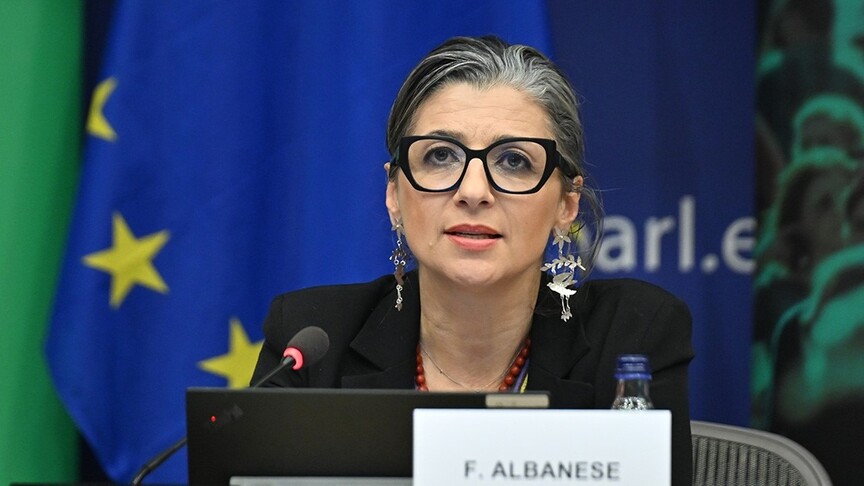
Omer Badilla, director-general of Costa Rica’s immigration authority, defended the measure in a video published on social media. According to immigration officials, Albanese was refused entry because she was the subject of an international alert regarding alleged links to terrorist acts. Officials cited national security grounds, though they did not specify the origin of the alert or provide substantiating details.
Albanese strongly rejected the allegations. Speaking via video call and on social media, she characterized the accusations as false and stated that defending human rights is not terrorism. She recounted an intimidating experience during which immigration agents confiscated her passport and threatened her with forced repatriation. According to her statements, authorities offered her a detention room that was so foul-smelling she nearly fell ill, and she resisted threats that she would be forced onto a plane back to Paris.
The diplomatic fallout was swift. UN High Commissioner for Human Rights Volker Türk issued a statement saying he was deeply concerned by the denial of entry and urged Costa Rican authorities to reconsider their decision urgently. The UN human rights office noted that the action was difficult to reconcile with Costa Rica’s longstanding reputation for protecting human rights. Meanwhile, the Italian Foreign Ministry intervened, announcing that its embassy had dispatched a consular official to the airport to assist Albanese, an Italian national, while diplomats repeatedly pressed Costa Rican authorities to grant her entry.
The incident highlighted a broader geopolitical realignment under Costa Rican President Laura Fernández. Observers note that the Fernández administration has deepened security cooperation with the United States and moved closer to Israel, diverging from the country's historic tradition of supporting multilateral institutions. In July 2025, the United States imposed sanctions on Albanese over her critical stance on Washington and Israeli policies in Gaza. Welcoming Costa Rica's decision, Israel’s UN Ambassador Danny Danon praised the move on social media, writing that those who exploit their UN mandate to disseminate propaganda and legitimize terrorist organizations must face consequences.
Domestically, the government's action provoked fierce debate. The University of Costa Rica expressed regret over the situation, defending academic freedom and human rights. Despite being barred from the campus, Albanese participated in the honorary degree ceremony remotely via video link from the airport terminal, while an assistant accepted the award on her behalf. Lawmakers from the left-wing Frente Amplio party filed a writ of habeas corpus before the Supreme Court's Constitutional Chamber to challenge the legality of the government's actions.
The Constitutional Chamber acted quickly, issuing a preliminary injunction to suspend any deportation proceedings while the court reviews the case and giving immigration authorities a strict deadline to explain the legal basis for the denial. The court's intervention drew criticism from political figures allied with the ruling coalition, with former President and congressional figure Rodrigo Chaves denouncing the judiciary on social media for intervening to protect individuals flagged by international alerts.
| Entity / Official | Stance on Entry Denial | Key Action or Statement |
|---|---|---|
| Costa Rican Immigration (Omer Badilla) | Supportive | Cited an unspecified international security alert regarding terrorist links and national security risks. |
| UN Human Rights Chief (Volker Türk) | Critical | Expressed deep concern and urged authorities to urgently reconsider and allow entry. |
| Francesca Albanese | Opposed | Rejected terror links, called the move a disgrace, and participated in the university ceremony via video link from the airport. |
| University of Costa Rica | Opposed | Regretted the blockade, demanded a legal explanation, and proceeded with the honorary doctorate via video call. |
| Israeli UN Ambassador (Danny Danon) | Supportive | Praised Costa Rica's decision, arguing that those who exploit UN mandates face consequences. |
What to watch next
- The Constitutional Chamber of the Supreme Court is reviewing the pending habeas corpus petition to determine whether the government violated legal protections and whether Albanese will be permitted entry or required to depart.
- Further diplomatic engagements by the Italian Embassy and UN human rights bodies as Albanese remains in the airport's international transit area.
- Legislative debates in the Costa Rican assembly regarding pending bilateral agreements and foreign policy shifts under the current administration.
For broader international developments, readers can review World coverage.