Emmanuel Macron unscathed after bomb blasts during visit to Syria
Two improvised explosive devices detonated in central Damascus during Emmanuel Macron's diplomatic visit, testing the stability of the new government.
- Core Development: Two improvised explosive devices detonated in central Damascus during Emmanuel Macron's diplomatic visit, testing the stability of the new government.
- Beat Context: Categorized under World with independent corroboration.
- Reporting Depth: 3 minute analytical read synthesized from verified newsroom sources.
Macron leaves Damascus unhurt after twin blasts, but Syria’s fragile stability is tested
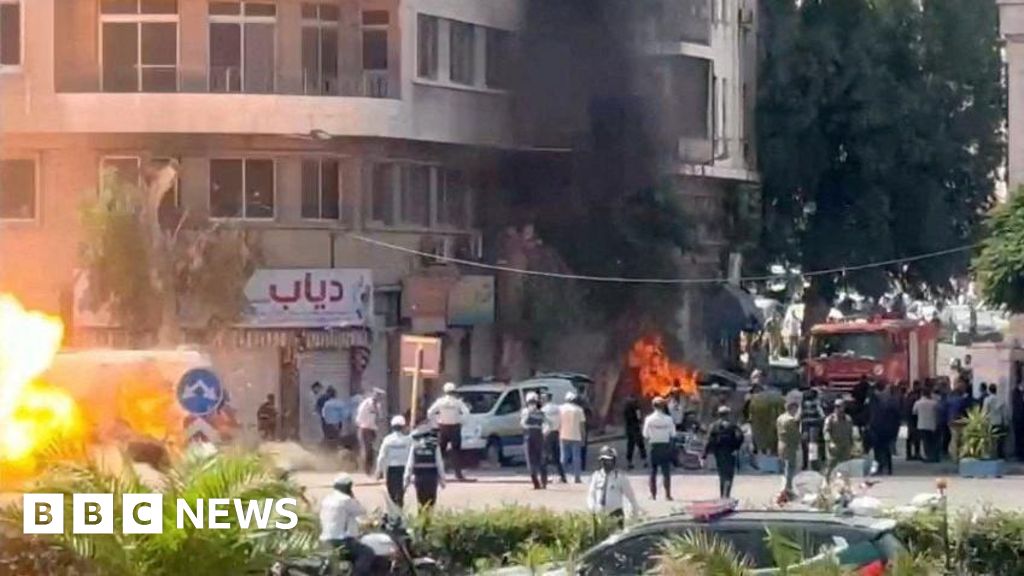
Two improvised explosive devices detonated in central Damascus on July 7, 2026, injuring 18 people, including four police officers, as French President Emmanuel Macron was holding a landmark meeting with Syrian President Ahmed al‑Sharaa. Macron emerged from the explosions physically unharmed and continued his diplomatic programme.
The blasts occurred outside the security perimeter that had been erected around the Four Seasons hotel, where Macron had spent the night. Syrian state media reported one device was hidden in a parked car and the other in a garbage bin. Security teams were attempting to defuse the devices when they detonated, according to the Interior Ministry’s spokesman Nour al‑Din al‑Baba.
Media additions
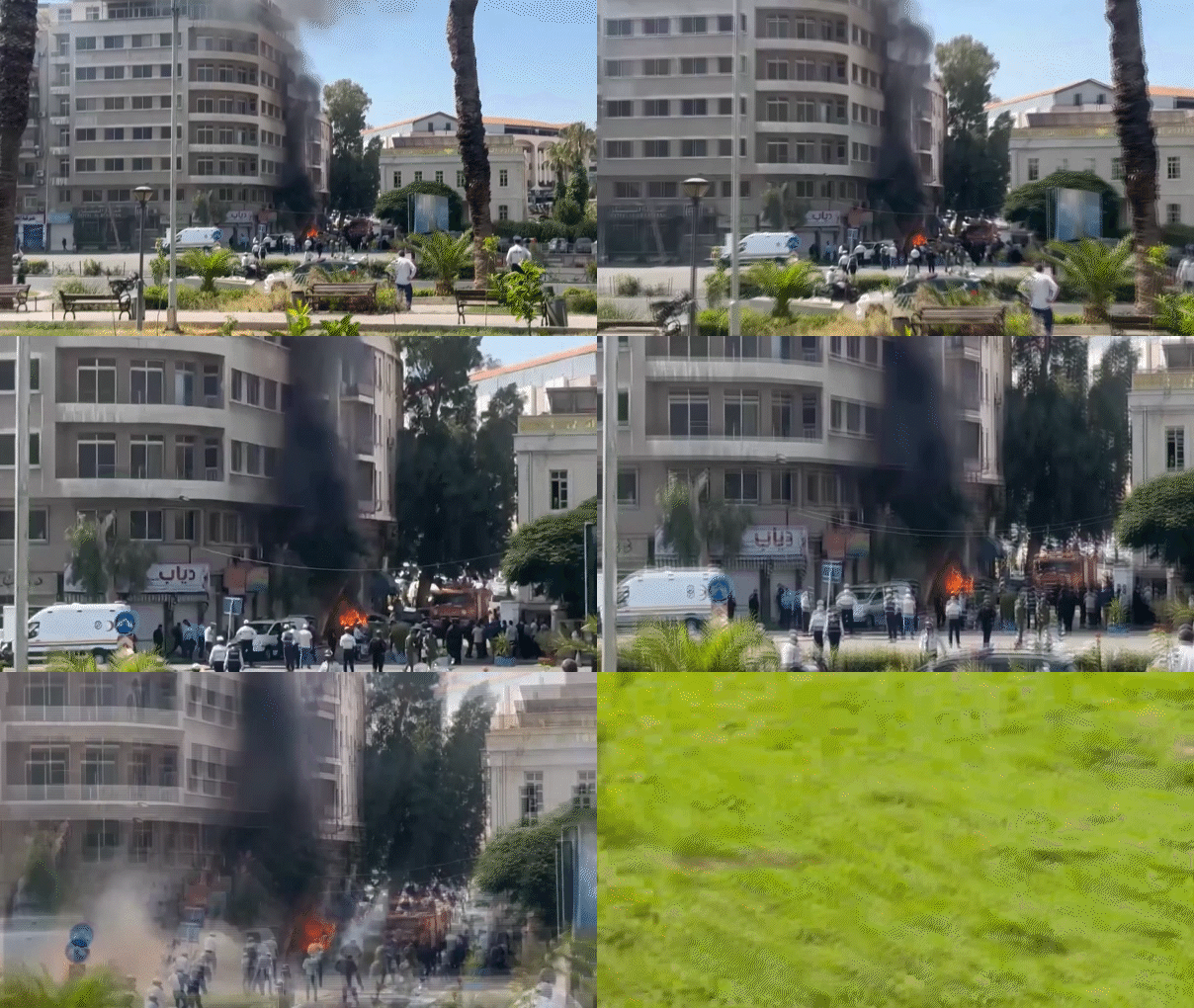
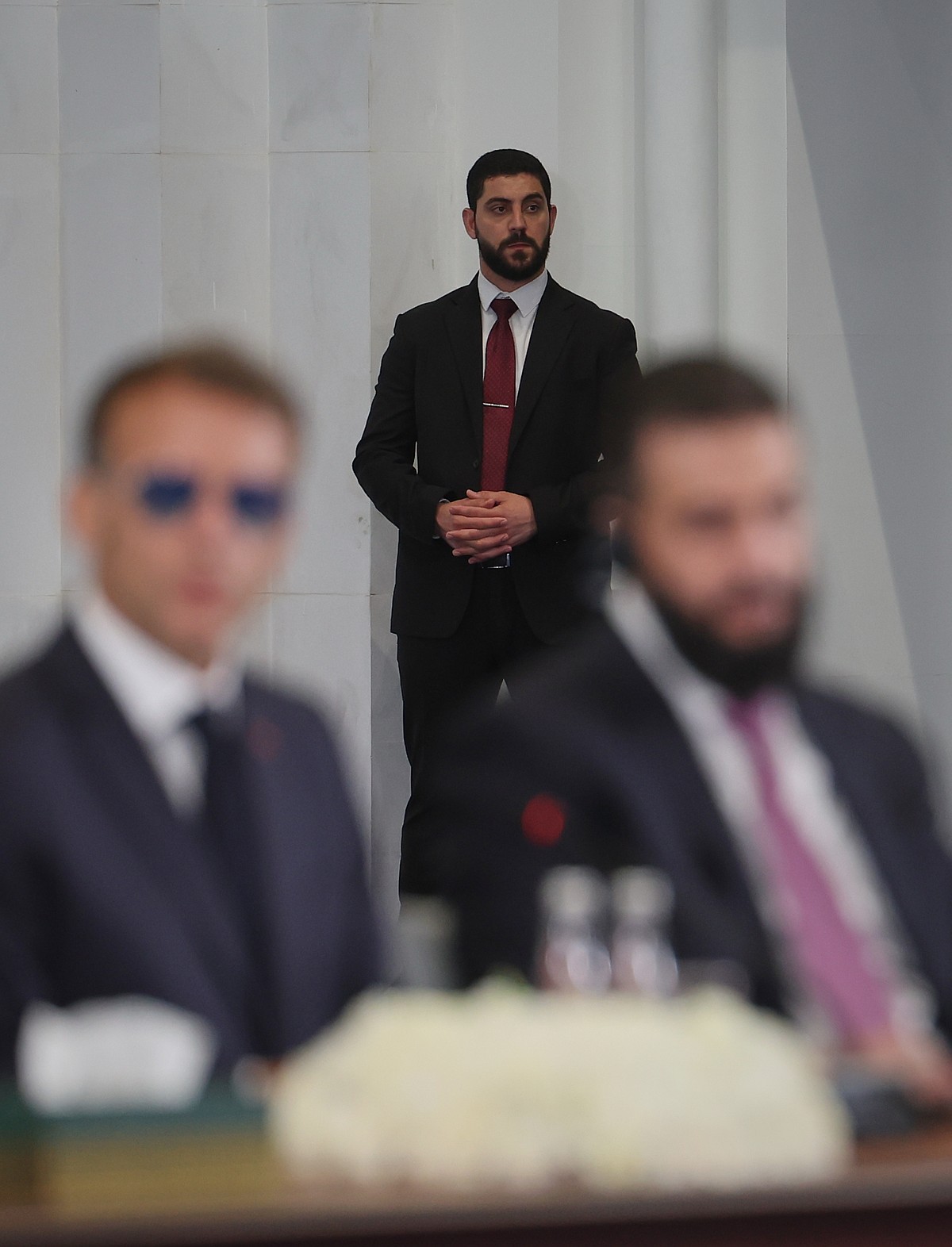
“Nothing can smother the aspiration of Syrian women and men to live in a fully sovereign, safe, pluralistic, and united Syria. This morning I met Syria in all its diversity. I saw dignity, courage, and determination. My visit continues.”
Emmanuel Macron, President of France, via Yahoo News
French officials confirmed that Macron did not hear the explosions and that the President remained safe and the meeting proceeded as planned. The French president’s own post on X did not mention the blasts directly, but echoed his earlier commitment to a sovereign and pluralistic Syria.
Why the incident matters
Macron’s visit marks the first trip to Damascus by a European Union leader since the ouster of long‑time dictator Bashar al‑Assad in 2024. The twin explosions therefore represent a direct challenge to the new government’s narrative of stability.
International observers note that the attacks come just days after a deadly café bombing in the Hejaz district that killed at least nine people and injured 22. The recent surge in violence, which includes several claimed or blamed attacks by Islamic State, underscores the security fragility that still haunts much of the country.
Reactions from Damascus and Paris
Syrian state television broadcast images of Macron and al‑Sharaa embracing in the presidential palace shortly after the blasts. A Syrian foreign ministry official told the Associated Press that “the outcome of this visit confirms that Syria is steadily moving toward a new phase of international partnerships based on shared interests and mutual respect.”
In contrast, the United States and Israel have continued their own air campaigns against ISIS remnants in Syria. The CBS News report highlighted that no group claimed responsibility for the twin blasts.
French experts quoted in the Daily Mail argued that Macron’s presence gives “Sharaa a leg up on the international stage,” while Syrian think‑tank founder Bassam Barabandi warned that France “came late and after many mistakes,” particularly regarding the autonomy of Syrian Kurds.
Economic agenda proceeds amid security concerns
Despite the explosions, the French delegation pressed ahead with an economic forum that resulted in more than a dozen agreements spanning civil aviation, health, banking, and infrastructure. Notable deals included:
- The return of roughly €51 million in assets linked to Rifaat al‑Assad.
- Reconstruction contracts for water and electricity networks in Homs.
- Technical assistance for Syria’s central bank.
- Capacity‑building for cargo operations at Damascus airport, led by CMA CGM.
Macron’s ability to remain on schedule after the blasts sends a clear message that France and other Western powers are willing to keep diplomatic channels open with Damascus, even as the city grapples with a spate of violent incidents.
How significant is this development?
Contribute your assessment to the aggregated reader sentiment ledger.
Frequently Asked Questions
Key questions answered in this reportWhat is the key development in: Emmanuel Macron unscathed after bomb blasts during visit to Syria?
Two improvised explosive devices detonated in central Damascus during Emmanuel Macron's diplomatic visit, testing the stability of the new government.
Why is this World development significant for the UK?
This report covers critical events in our World beat. Independent reporting monitors related UK statements, regulatory shifts, and public responses as further verified details emerge.
How was this reporting corroborated and verified?
Newsarchy UK compiles and cross-references reporting from primary reporting from bbc.com and cross-checked wire reports. All coverage adheres to published editorial standards.
When was this report published?
This briefing was published on July 8, 2026 and is permanently cataloged in the Newsarchy UK World archives.